
Pests
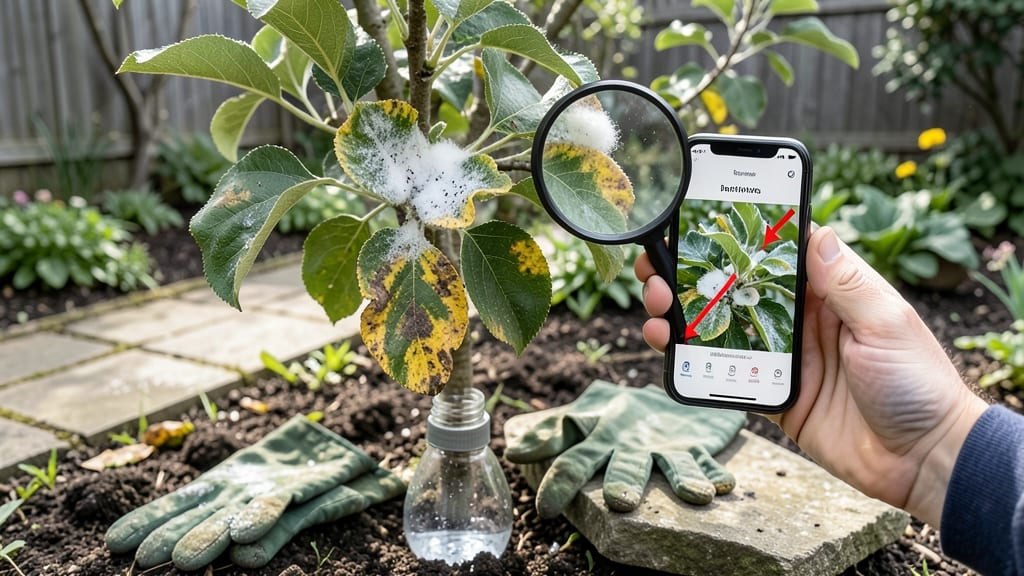
That white stuff on your tree branches isn’t just unsightly—it’s a sign your tree is fighting something. 🌿 I’ve seen powdery mildew, mealybug secretions, and even lichen turn branches ghostly white, and the fixes are simpler than you’d think.
Most cases need just three targeted steps to clear up and prevent recurrence.
First, identify what you’re dealing with: is it a fuzzy white coating (fungus), sticky residue (insects), or crusty patches (lichen)? Each needs a different approach—some just need pruning, others a spray, and a few might need a pro’s touch.
The good news? Most fixes take less than an hour and use supplies you likely already have.
By the time you’re done, your tree’s branches will look clean, and the white stuff will be gone for good. You’ll also know exactly how to keep it from coming back, whether that means better airflow, targeted sprays, or just regular check-ins. No more guessing—just results.
Works for fruit trees, shade trees, or even your prized ornamental—just adjust the method based on what’s causing the problem. Let’s get that tree looking healthy again.
Understanding the Causes Behind Tree Branch Discoloration
The mysterious white stuff coating your tree branches isn’t just an aesthetic nuisance—it’s often a sign of nature’s way of communicating. Whether it’s powdery, fuzzy, or crusty, these deposits usually stem from biological activity.
Let’s break down the most common culprits and why they appear, so you can address the root issue (literally!).
Fungi are the most frequent offenders when it comes to white, chalky, or fuzzy deposits on tree branches. These microscopic organisms release spores—tiny reproductive cells—that can blanket surfaces in a ghostly white film. Here’s how it happens:
- Saprophytic Fungi: These decomposers thrive on dead or dying plant material. If your tree is stressed (due to drought, poor soil, or injury), fungi like Oidium (powdery mildew) or Sphaerotheca latch onto leaves and branches, creating a white, powdery coating. Pro tip: 💡 Check for yellowing leaves or stunted growth—common signs of fungal infestation.
- Parasitic Fungi: Some fungi, like Armillaria (honey fungus), attack living trees, weakening them over time. Their white, cottony mycelium (the "roots" of fungi) can spread across branches, often accompanied by small mushrooms at the base of the tree.
- Environmental Triggers: High humidity, poor air circulation, and overwatering create the perfect fungal buffet. 🌡️ Warning: If your tree is in a shaded, damp area, fungi will throw a party there.
How to spot it: Gently scrape a small area of the white stuff. If it’s powdery and leaves a green surface underneath, it’s likely a harmless (but annoying) mildew. If it’s fuzzy or web-like, you’re dealing with a more aggressive fungus.
Not all white stuff is fungal—sometimes, it’s a byproduct of tiny tree pests feasting on your branches. Here’s how insects contribute to the mystery:
- Scale Insects and Mealybugs: These sap-sucking pests excrete a sticky, white, cotton-like substance called honeydew as they feed. Over time, honeydew hardens into a crusty, white residue. 🔥 Watch for: Sticky leaves, sooty mold (a black fungal growth that thrives on honeydew), and clusters of white, fluffy bugs on branches.
- Whiteflies: These tiny, winged insects cluster on the undersides of leaves, leaving behind a white, powdery residue from their bodies and waste. Their presence often triggers secondary fungal infections due to the honeydew they produce.
- Woolly Aphids: These pests create white, woolly masses on branches to protect themselves. Their secretions can smother leaves and attract ants (who "farm" them for honeydew).
How to spot it: Shake a branch over a white sheet of paper. If tiny white insects or a sticky residue appears, you’ve got a pest problem. ✨ Pro tip: Use a magnifying glass—some insects are smaller than a grain of rice!
Not all white stuff is biological. Sometimes, it’s just Mother Nature showing off her chalky side. Here’s what else could be causing those mysterious deposits:
- Mineral Dust and Pollen: In arid regions or near construction sites, wind can carry fine mineral particles (like calcium or gypsum) that settle on branches. Pollen from nearby plants can also create a white, dusty layer, especially after storms.
- Lichen and Algae: While not technically white "stuff," these organisms can give branches a grayish-white or powdery appearance. Lichen is a symbiotic relationship between fungi and algae/cyanobacteria, while algae thrive in moist conditions. 💡 Fun fact: Lichen is often a sign of clean air—it’s sensitive to pollution!
- Bird Droppings and Nesting Material: Birds like pigeons or sparrows may leave white, chalky droppings or shredded nest material on branches. This is usually harmless but can attract pests if it accumulates.
How to spot it: Run your finger over the deposit. If it wipes away easily and doesn’t leave a sticky residue, it’s likely environmental. If it’s patchy and grows in specific patterns (like crusts or mats), it’s probably lichen or algae.
Now that you know why that white stuff is showing up, the next step is figuring out how to tackle it—without harming your tree. Stay tuned for our 3-step cure guide to bring your branches back to their natural, pest-free glory!
Quick Fixes for Tree Branch Woes
If you’ve spotted that mysterious white stuff clinging to your tree branches, don’t panic—most causes have straightforward fixes. Below, we’ve matched common culprits to practical solutions, so you can restore your tree’s health without stress.
And the best part? Many of these fixes also help prevent future outbreaks. Let’s dive in!
Fungi love moisture and organic debris, making them the top suspects behind that chalky or fuzzy white residue. Here’s how to tackle them:
#### 🔥 Step 1: Prune for Better AirflowFungi thrive in shady, damp spots. Thin out dense branches to let sunlight and air circulate:
- 🌳 Trim back overgrown limbs—aim for a 20-30% reduction in density.
- 🌿 Remove dead or diseased branches (sterilize pruners with rubbing alcohol between cuts).
- 🌞 Space trees properly—keep them at least 10–15 feet apart to prevent humidity buildup.
For stubborn fungal infections, a targeted treatment works best:
- 💧 Spray with neem oil or copper fungicide (follow label instructions). Reapply every 7–14 days until the white residue fades.
- 🌿 Try a baking soda solution (1 tbsp baking soda + 1 tsp dish soap + 1 gallon water) for mild cases.
- ⏰ Time it right—apply treatments in the early morning to avoid burning leaves in direct sunlight.
Stop fungi before they start with these habits:
- 💡 Water at the base—avoid overhead sprinkling to keep foliage dry.
- 🌿 Mulch wisely—use 2–3 inches of organic mulch but keep it away from the trunk.
- 🎯 Choose resistant varieties—opt for disease-resistant tree species if replanting.
Tiny pests can leave behind sticky honeydew, which then attracts sooty mold (that blackish-white grime). Kill the pests first!
#### 🔪 Step 1: Blast Off Pests with Insecticidal SoapMix 2 tbsp mild castile soap with 1 quart water, then:
- 🌿 Spray directly on infested areas—focus on undersides of leaves and branch crevices.
- 🔄 Repeat weekly until pests disappear (usually 2–3 weeks).
- 🐝 Be gentle—avoid harming bees or beneficial insects by applying in evening hours.
Ladybugs, lacewings, and parasitic wasps love eating scale and mealybugs:
- 🛒 Buy predator insects from garden centers or online.
- 🌳 Release them at dusk when temperatures are cooler.
- 💡 Add a water source (like a shallow dish with pebbles) to keep them around.
Keep pests from moving in:
- 🌿 Inspect new plants before bringing them home—quarantine for 2 weeks if needed.
- 🌡️ Avoid over-fertilizing—excess nitrogen attracts soft-bodied pests.
- 🎯 Use reflective mulch (like aluminum foil) to deter crawling insects.
If the white stuff is actually guano or dried sap, the fix is simpler:
#### 🚿 Step 1: Hose It OffUse a gentle stream of water to rinse away:
- 💦 Spray from a distance (3–4 feet away) to avoid damaging bark.
- 🌧️ Do this on a cloudy day to prevent leaf scorch.
If birds are the repeat offenders:
- 🎯 Hang shiny objects (old CDs, aluminum pie pans) to scare them away.
- 🌿 Install bird spikes on branches where they perch.
For sap buildup, apply pruning sealant to fresh cuts to prevent oozing.
Most white branch mysteries resolve with a little elbow grease and patience. Start with the most likely cause, apply the fix, and monitor your tree’s progress. Within a few weeks, you’ll likely see a noticeable improvement—and your tree will thank you with healthier, cleaner branches!
Frequently asked questions
Is white stuff on tree branches always harmful?
Not necessarily! While fungal growth or insect infestations can be problematic, some white deposits like lichen or mineral dust are harmless. Lichen often indicates clean air, and pollen or dust won’t harm your tree. Always check for stickiness or fuzzy textures—those suggest pests or mildew that need attention.
How do I tell if it's powdery mildew vs. insect honeydew?
Powdery mildew wipes away like chalk and leaves a green surface underneath, while insect honeydew is sticky and often attracts black sooty mold. Gently scrape a small area: mildew feels dry, while honeydew feels tacky. If you see tiny white bugs, it’s definitely pests!
Can I use household items to treat white stuff on branches?
Yes! For mild fungal issues, mix 1 tablespoon baking soda with 1 teaspoon dish soap and 1 gallon water in a spray bottle. For pests, 2 tablespoons castile soap in 1 quart water works well. Always test on a small area first and apply in early morning to avoid leaf burn.
When should I call a professional arborist?
If the white stuff spreads rapidly, your tree shows signs of decline (yellowing leaves, wilting), or you suspect honey fungus (white cottony growth at the base with mushrooms), it’s time to call an expert. Large trees or severe infestations also warrant professional help—don’t risk damaging your tree with DIY methods.
Will removing white stuff harm my tree?
Not if you're gentle! For fungal growth, prune affected branches and clean tools between cuts. For insect honeydew, simply wiping with a damp cloth removes residue without harm. Avoid harsh scrubbing—focus on removing the source (pests or fungi) rather than just the visible buildup.