
Flowers
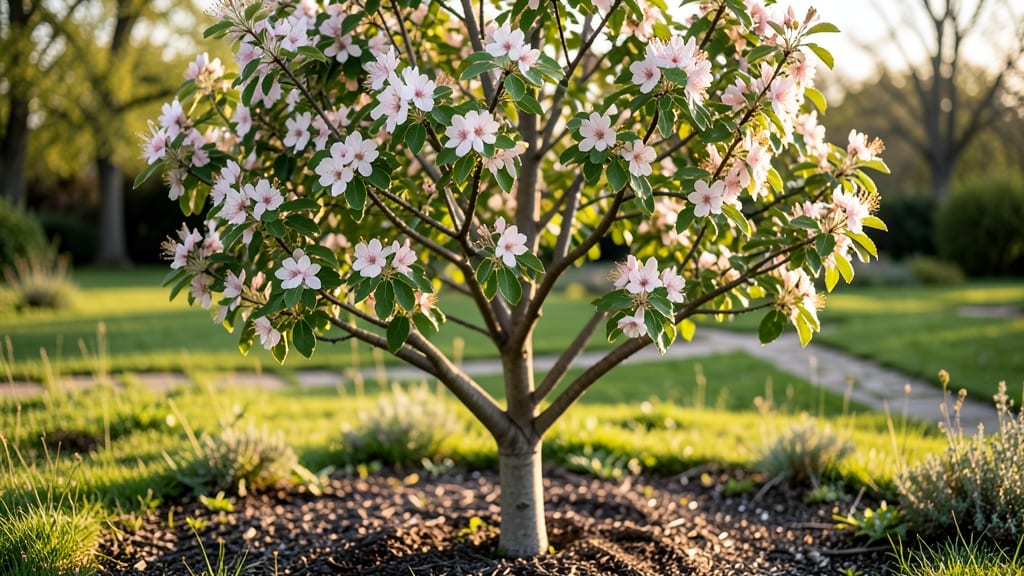
Your garden just got a dreamy upgrade with a tree that bursts into white star-shaped flowers every spring. 🌸 These trees—like the delicate Magnolia stellata or the elegant Chionanthus—turn any yard into a fragrant, light-filled sanctuary with minimal effort.
They’re perfect for small spaces, borders, or as a stunning focal point near patios. The blooms arrive before leaves, creating a breathtaking contrast against dark bark or evergreen shrubs. Pair them with azaleas or hydrangeas for a showstopping seasonal display.
Once established, they thrive with zero fuss—just consistent watering and occasional pruning. The fragrance alone makes them worth the space, but the visual impact? Unmatched. Your garden will feel like a secret retreat. Best of all, they adapt to most climates, from coastal gardens to inland yards.
Here’s how to choose, plant, and keep them looking their best year after year.
The Science Behind Starry Blooms
Those dazzling white star-shaped flowers aren’t just a pretty sight—they’re the result of a fascinating blend of genetics, environmental cues, and seasonal rhythms. Whether you’re admiring a Cercis canadensis (eastern redbud) or a Magnolia stellata (star magnolia), the appearance of these delicate blooms is a carefully orchestrated biological process.
Let’s break down the key factors that trigger this floral spectacle.
The star-shaped petals of these trees are hardwired into their DNA. Many species, like the Magnolia genus, evolved with elongated, pointed petals to attract pollinators—often hummingbirds or bees—by creating a striking visual contrast against their surroundings.
The MADS-box genes, which regulate flower development, play a crucial role in shaping these petals. Mutations or variations in these genes can even lead to slightly different star patterns, like the Magnolia ‘Little Gem’, which boasts tighter, more defined star-like blooms.
💡 Pro Tip: If you’re growing a grafted tree (like many magnolias), the floral shape is determined by the scion (the top part of the tree), not the rootstock. This means even if the roots are from a different variety, the star-shaped flowers will stay true to the grafted cultivar.
White star-shaped flowers typically burst forth in early spring because trees rely on a combination of chilling hours and warmth to break dormancy. Here’s how it works:
- Chilling Requirement: Most star-flowering trees (like redbuds and magnolias) need 200–1,000 hours below 45°F (7°C) during winter to signal their buds that it’s safe to bloom. Without enough cold, the buds may stay dormant or produce fewer flowers.
- Warmth Threshold: Once chilling is satisfied, a prolonged period above 50°F (10°C) for 2–4 weeks kickstarts blooming. This warmth activates florigen, a hormone that triggers flower development.
- Day Length (Photoperiodism): Some species, like the Styrax japonicus (Japanese snowbell), respond to increasing daylight hours. Longer days in spring send a signal to the tree’s meristem (growth points) to open buds.
🌡️ Watch Out: Unpredictable weather—like late frosts after buds swell—can damage emerging flowers. In regions with erratic springs, consider planting frost-sensitive varieties (like Magnolia ‘Jane’) in sheltered microclimates.
A tree’s ability to produce abundant star-shaped flowers hinges on balanced nutrition and soil health. Here’s what’s critical:
| Nutrient | Role in Blooming | Signs of Deficiency |
|---|---|---|
| Phosphorus (P) | Essential for energy transfer during flower bud formation. | Purple or red tinges in leaves; sparse blooms. |
| Potassium (K) | Regulates enzyme activity and stress resistance in buds. | Yellowing leaf edges; weak stems; fewer flowers. |
| Calcium (Ca) | Strengthens cell walls in developing buds. | Blossom end rot in flowers; distorted petals. |
| Nitrogen (N) | Supports leaf growth, which indirectly fuels flowering. | Too much = lush foliage but no flowers; too little = pale leaves. |
🔥 Actionable Tip: Test your soil in late winter (before blooming season) and amend with:
- A balanced fertilizer (e.g., 10-10-10) in early spring.
- Compost or well-rotted manure to improve organic matter.
- Crushed eggshells or lime for calcium if your soil is acidic.
Most star-flowering trees prefer slightly acidic to neutral soil (pH 6.0–7.0). If your soil is too alkaline, consider adding sulfur or peat moss to lower pH.
Star-shaped flowers thrive when trees receive adequate sunlight, but the intensity and duration matter. Most species fall into two categories:
- Full Sun Lovers: Trees like Cercis canadensis (redbud) need 6+ hours of direct sun daily to produce their best blooms. In shade, they may flower sparsely or develop smaller petals.
- Partial Shade Tolerant: Varieties like Magnolia ‘Black Tulip’ can handle 3–6 hours of sun, especially in hot climates where afternoon shade prevents stress.
✨ Pro Tip: If your tree is in a competitive landscape (e.g., surrounded by tall shrubs or buildings), prune nearby plants in late winter to restore light exposure. Avoid heavy pruning after blooming, as it can reduce next year’s flower production.
While star-shaped flowers are often showy for pollinators, some trees (like Magnolia species) are self-pollinating or rely on wind. However, hummingbird-pollinated varieties (e.g., Cercis canadensis ‘Lavender Twist’) benefit from nearby pollinators. Here’s how to optimize:
- Attract Hummingbirds: Plant native flowers like bee balm or trumpet vine nearby to create a pollinator corridor.
- Avoid Pesticides: Neonicotinoids and broad-spectrum sprays can repel bees and butterflies, reducing pollination success.
- Water Sources: A shallow birdbath or drip irrigation system encourages pollinators to linger.
🎯 Did You Know? Some magnolias, like Magnolia ‘Saucer’, have fragrant blooms that release scent at night to attract moth pollinators. Planting these near evening-active flowers (like evening primrose) can boost your garden’s biodiversity.
Reviving your starry blooms
Your tree with delicate white star-shaped flowers deserves the best care to keep its enchanting display thriving year after year. Whether it’s struggling with pests, poor growth, or environmental stress, these solutions will help you nurse it back to health—and keep it flourishing.
Let’s tackle the most common issues with practical, step-by-step fixes and prevention tips to ensure your tree stays vibrant and fragrant.
Cause: Insufficient sunlight, overpruning, or nutrient deficiencies can stunt flowering.
Fix: 🌞 Optimize Sunlight Exposure
- Place your tree in a location where it receives at least 6 hours of sunlight daily. If indoors, rotate it periodically to ensure even light distribution.
- South- or west-facing windows are ideal for indoor varieties like the Crassula argentea (Jade Plant) or Hibiscus rosa-sinensis.
🌱 Fertilize for Vibrancy
- Use a balanced, water-soluble fertilizer (10-10-10 ratio) during spring and early summer. For organic options, compost or fish emulsion works wonders.
- Avoid over-fertilizing—this can lead to leafy growth at the expense of flowers.
💡 Pro Tip: If your tree is young, be patient! Some varieties take 2-3 years to bloom fully. Prune lightly in late winter to encourage new growth.
Cause: Spider mites, aphids, or scale insects can sap energy, causing wilting or discolored leaves.
Fix: 🚿 Isolate and Inspect
- Quarantine the tree immediately if you spot pests. Check the undersides of leaves and stems for webbing, sticky residue (honeydew), or tiny insects.
💦 Treat with Natural Remedies
- Neem oil spray (1 tsp neem oil + 1 quart water + a drop of dish soap) applied every 5-7 days for 2-3 weeks.
- Insecticidal soap or horticultural oil works well for soft-bodied pests like aphids.
🌿 Encourage Beneficial Insects
- Introduce ladybugs or lacewings to your garden—they’re natural predators of many pests!
⚠️ Warning: Avoid harsh chemicals near flowering trees, as residues can harm pollinators.
Cause: Overwatering, underwatering, or extreme temperature swings can shock your tree.
Fix: 💧 Master Watering Techniques
- Water deeply but infrequently—let the top 1-2 inches of soil dry out between waterings. Overwatering suffocates roots!
- Use a moisture meter or the "finger test" to check soil dryness.
🌡️ Protect from Temperature Shifts
- If your tree is outdoors, mulch the base (2-3 inches of organic mulch) to regulate soil temperature.
- Move potted trees indoors before frost or use frost cloths in colder climates.
🌬️ Improve Airflow
- Prune overcrowded branches to reduce humidity buildup, which can attract fungal diseases.
- Place outdoor trees at least 3 feet away from walls or fences for better circulation.
Cause: Compacted, poor-quality soil or lack of essential nutrients limits growth and flowering.
Fix: 🏗️ Amend the Soil
- Mix compost or aged manure into the top 6 inches of soil to improve drainage and fertility.
- For container plants, repot every 2-3 years with fresh, well-draining potting mix.
📊 Test Soil pH
- Most flowering trees prefer slightly acidic to neutral soil (pH 6.0-7.0). Use a soil test kit to check and adjust with lime (to raise pH) or sulfur (to lower it).
💡 Pro Tip: A slow-release fertilizer in early spring provides steady nutrients without risk of overfeeding.
| Issue | Prevention Tip |
|---|---|
| Pests | Regularly inspect leaves and stems; introduce companion plants like marigolds. |
| Disease | Sterilize pruning tools with rubbing alcohol; avoid overhead watering. |
| Poor Blooming | Prune in late winter to encourage new growth; fertilize annually. |
| Root Rot | Ensure pots have drainage holes; water only when the topsoil is dry. |
With these solutions, your tree’s white star-shaped blooms will return in full, fragrant glory. Consistency is key—monitor its needs seasonally, and your garden will reward you with a stunning, long-lasting display. Happy gardening! 🌸✨
Frequently asked questions
Which trees have the most fragrant white star-shaped flowers?
The Magnolia stellata (star magnolia) is legendary for its intoxicating scent, while Chionanthus virginicus (fringe tree) offers delicate, starburst blooms with a subtle fragrance. For strong nighttime perfume, try Styrax japonicus (Japanese snowbell)—its white, star-like flowers release their sweetest aroma after dark.
Can I grow these trees in containers?
Dwarf varieties like Magnolia 'Little Gem' or Cercis canadensis 'Lavender Twist' thrive in 15-20 gallon containers with well-draining soil. Use a mix of potting soil and perlite, and ensure the pot has drainage holes. Repot every 2-3 years and overwinter indoors if temperatures drop below 20°F (-7°C).
Why aren't my star flowers opening fully?
Insufficient sunlight or cold temperatures often cause buds to stay closed. Most star-flowering trees need 6+ hours of sun daily. If buds swell but don't open, check for late frosts—these can damage emerging blooms. Prune nearby overgrowth in late winter to restore light exposure and improve airflow.
How do I pair these trees with other plants for maximum impact?
Combine with azaleas or hydrangeas for layered color, or plant near boxwoods for structured contrast. For pollinator gardens, add bee balm or butterfly bush to attract hummingbirds that love star-shaped blooms. Avoid planting near aggressive species like English ivy, which can smother young trees.
Are these trees deer-resistant?
Most star-flowering trees have moderate deer resistance, but young saplings may be browsed. Protect newly planted trees with deer repellent sprays or physical barriers. Mature specimens (over 5 feet tall) are rarely damaged, as deer prefer tender new growth over woody stems.