
Trees
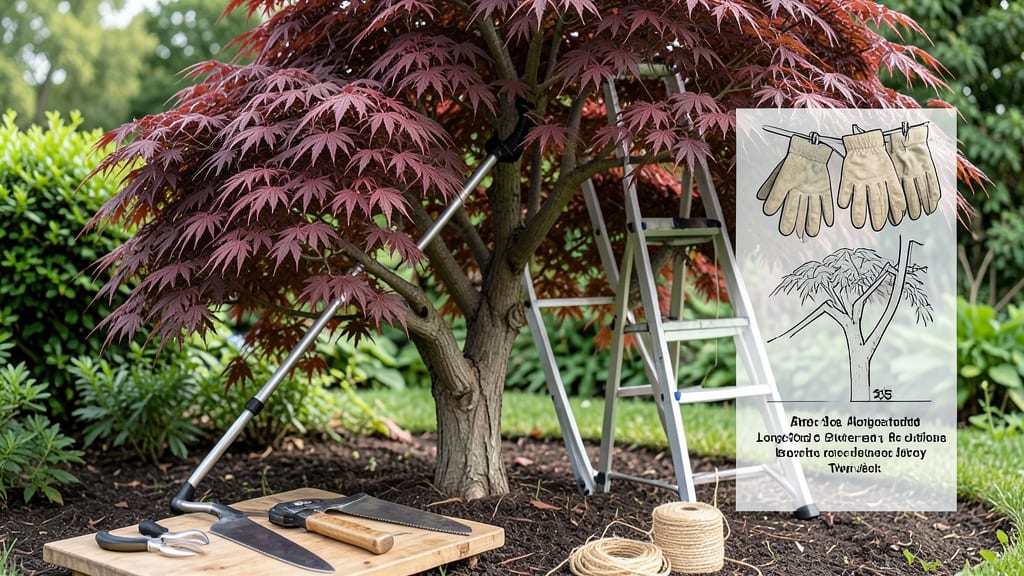
Transforming trees into living sculptures through tree shaping ideas is one of the most creative ways to turn your yard into a garden masterpiece—and the best part? You don’t need a green thumb to start.
Imagine a twisting willow trained into a graceful arch or a boxwood sculpted into a geometric wonder. These tree shaping ideas blend artistry with practical landscaping, giving you year-round visual impact with minimal effort.
Whether you’re drawn to classic topiary or bold espalier designs, there’s a technique that fits your style and space.
From beginner-friendly methods like pollarding to advanced bonsai-inspired pruning, we’ll walk you through the tools, timing, and care tips to keep your trees thriving. No more guessing—just stunning results that make your neighbors do a double-take.
Ready to turn your 🌳 ordinary trees into extraordinary focal points? Let’s dive into the techniques that’ll have your garden looking like a designer’s dream.
Creative tree shaping techniques for beginners and experts
Transforming trees into living art is one of my favorite ways to add personality to any garden space. Whether you're dreaming of manicured topiary or dramatic espaliered fruit trees, these techniques turn ordinary trees into stunning focal points.
The best part? You don't need a green thumb to start—just the right tools, timing, and a little patience. Let's explore four foundational methods that work for both beginners and seasoned gardeners alike.
Before diving in, it's crucial to understand that tree shaping requires commitment. Some methods like bonsai-inspired pruning demand daily attention, while others like pollarding can be maintained with seasonal care. The key is selecting techniques that match your time availability and the growth habits of your chosen tree species.
For example, fast-growing willows respond beautifully to dramatic cuts, while slow-growing boxwoods thrive with precise, frequent trims.
Let's begin with the most beginner-friendly options that deliver immediate visual impact. The comparison table below highlights four popular techniques, their ideal plant choices, and the tools you'll need to get started. This will help you visualize which method might suit your garden style and maintenance capacity.
Let's start with topiary, the classic method that creates intricate shapes like spirals, animals, or geometric forms. I recommend beginning with boxwood or yew because they respond well to frequent trimming and maintain sharp edges.
The secret to successful topiary lies in gradual shaping—never remove more than one-third of the foliage in a single session. For your first project, try a simple square or spiral shape using a wire frame as a guide.
Place the frame around the young tree and trim just outside the wire to create clean lines.
For a more dramatic effect that also produces fruit, espalier is an excellent choice. This technique involves training trees to grow flat against a wall or fence, creating beautiful patterns while maximizing small spaces. I've had great success with apple trees trained into fan or candelabra shapes.
The key steps are selecting a flexible young tree, installing a sturdy trellis, and using espalier hooks to guide branches into position. Prune in late winter to remove any crossing branches and encourage outward growth.
If you're looking for a technique that requires minimal maintenance but delivers stunning results, pollarding might be perfect. This ancient method involves making dramatic cuts just above a bud union to encourage dense regrowth. I've seen willow trees pollarded into living umbrellas with just a few seasonal cuts.
The best time to pollard is in late winter or early spring before new growth begins. Use sharp loppers or a pruning saw to make clean cuts, and remember to sterilize your tools between trees to prevent disease spread.
For those willing to invest significant time, bonsai-inspired shaping offers unparalleled creative possibilities. While true bonsai requires decades of practice, you can achieve beautiful miniature trees with just a few key techniques. Start with a Japanese maple or juniper and use concave cutters to create natural-looking curves.
The art of bonsai lies in balance and proportion—pay attention to the tree's front and back to ensure it looks good from all angles. Regular wire training helps shape branches, but always remove wires before they cut into the bark.
No matter which technique you choose, timing is everything. Most shaping should occur during the dormant season (late winter to early spring) when trees are just beginning to wake up. This gives you a clear view of the branch structure and allows for precise cuts.
For tropical or evergreen species, you can shape throughout the year, but always avoid extreme heat or cold. Remember that patience is key—some of my most rewarding tree sculptures took several years to perfect.
As you gain experience, don't be afraid to experiment with combining techniques. For example, you could create a topiary tree that's also trained along an espalier frame. The possibilities are endless when you understand the basic principles of growth patterns and pruning responses.
Start small with a single tree, document your progress, and gradually expand your living art collection. Your garden will become a canvas for nature's most versatile medium—trees
Best tree species for sculptural shaping and their care requirements
Not all trees respond well to shaping, but some varieties practically beg to be transformed into living art. Boxwood and Japanese maple are classic choices, while willow and fruit trees like apple or pear can also be trained into stunning forms.
The key is selecting species with flexible growth habits and dense foliage that holds its shape. For example, boxwood’s compact growth makes it ideal for intricate topiary designs, while weeping willows create elegant, cascading silhouettes.
When choosing a tree for shaping, consider its mature size and growth rate. Dwarf varieties like Japanese maple 'Bloodgood' stay manageable, while larger trees require more strategic planning. Always opt for healthy, young specimens—2-3 years old—as they adapt more easily to training.
Start with small-scale projects like espaliered fruit trees or boxwood hedges before tackling larger topiary masterpieces.
🌱
| Tree Species | Best For | Pruning Schedule | Sunlight Needs | Water Needs |
|---|---|---|---|---|
| Boxwood (Buxus) | Topiary, hedges, formal designs | Light trimming every 4-6 weeks; hard prune in late winter | Full sun to partial shade | Moderate; keep soil moist |
| Japanese Maple (Acer palmatum) | Weeping forms, bonsai, delicate shapes | Prune after flowering; minimal shaping in summer | Partial shade to full sun | Consistent moisture; drought-sensitive |
| Weeping Willow (Salix babylonica) | Cascading forms, water features | Remove dead branches in late winter; minimal shaping | Full sun | High; loves water; avoid soggy soil |
| Apple/Pear (Malus pumila) | Espalier, cordon training, fruit production | Prune in late winter; summer thinning for fruit | Full sun | Moderate; deep watering during fruit set |
| Lime Tree (Tilia spp.) | Pollarded shapes, large hedges | Pollard every 2-3 years in late winter | Full sun to partial shade | Moderate; drought-tolerant once established |
Pruning is the backbone of tree shaping, but timing matters just as much as technique.
For boxwood and lime trees, I recommend a light trim every 4-6 weeks during the growing season to maintain shape, followed by a hard prune in late winter to encourage new growth. Japanese maples, however, prefer minimal shaping in summer—never prune in fall, as it can stimulate tender growth that won’t survive winter.
Fertilizing plays a crucial role in keeping shaped trees healthy. Use a balanced 10-10-10 fertilizer in early spring to jumpstart growth, then switch to a low-nitrogen formula in summer to avoid excessive foliage. Mulch heavily around the base (3-4 inches deep) to retain moisture and regulate soil temperature.
For trees like weeping willows, which thrive near water, ensure the soil drains well—soggy roots lead to root rot, which can ruin your masterpiece.
Don’t forget that patience is key. A well-shaped tree takes years to perfect, especially larger varieties. Start with small, manageable projects like a boxwood maze or espaliered apple tree along a fence.
Celebrate small victories, like the first time your willow’s branches cascade perfectly over a pond, and remember: even the most intricate topiary begins with a single cut. With the right species and consistent care, your garden will become a gallery of living art.
🪴