
Pruning
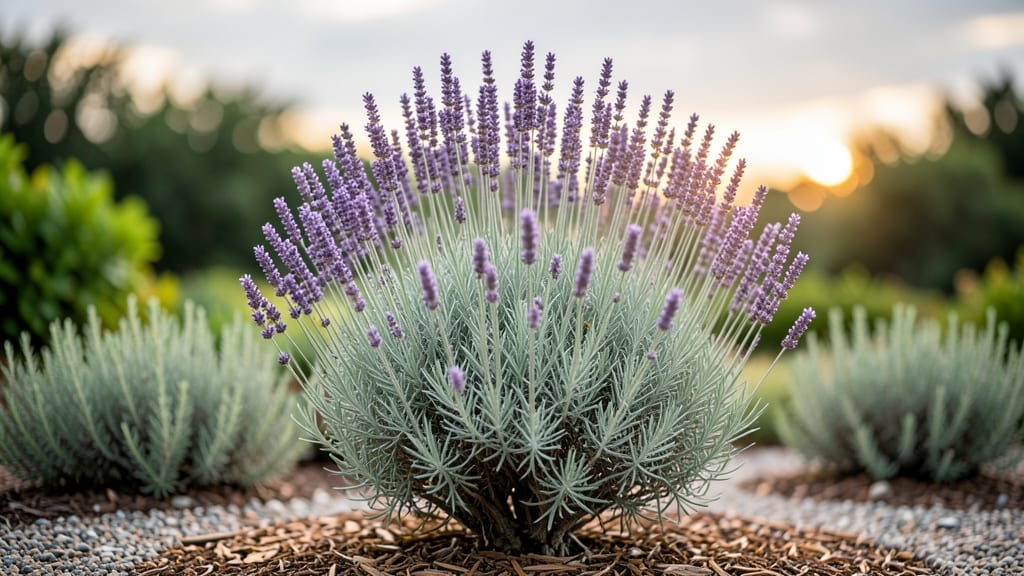
Creating a tree form lavender starts with the right pruning approach—turning woody stems into a striking, layered focal point. 🌿 I learned the hard way that aggressive cuts backfire; instead, you shape it gradually, encouraging dense growth at the base while letting the top branch naturally.
The result? A fragrant, ever-blooming centerpiece that thrives for years with minimal effort. This lavender variety loves full sun and well-draining soil, so pick a spot with at least 6 hours of sunlight daily and amend heavy soil with sand or gravel.
Water deeply but infrequently—overwatering is the #1 killer of tree-form lavender—letting the soil dry completely between waterings. Once established, it’s shockingly drought-tolerant, making it perfect for low-maintenance gardens. The magic happens in late winter or early spring when you prune to remove dead wood and thin out crowded stems.
Focus on creating a strong central leader (the main upward-growing branch) while shaping lower branches into a bushy skirt. With consistent pruning, you’ll see year-round blooms and a shape that rivals nursery-grown specimens.
Common challenges include frost damage (protect young plants with burlap in winter) and spider mites (spray with water to deter them). Source plants from reputable nurseries specializing in lavender—avoid big-box stores where varieties are often mislabeled.
Patience is key; it takes 2-3 years to achieve that perfect tree form, but the payoff is worth every snip.
📚 In This Guide
- What you need
- Instructions
- Tips and common mistakes
- Wrapping up and next steps
What you need
- ● Lavender plant(s): Mature, healthy Lavandula varieties (e.g., English, French, or Spanish lavender) with established stems (at least 1–2 years old).
- ● Pruning shears: Clean, sharp bypass pruners (size 7–9 inches) for precise cuts. Avoid dull tools—they crush stems!
- ● Hand pruners or loppers: For thicker stems (up to ½-inch diameter).
- ● Gloves: Heavy-duty gardening gloves to protect against thorns and sap.
- ● Disinfectant (70% isopropyl alcohol or bleach solution): 1 part bleach to 9 parts water—sterilize tools between cuts to prevent disease.
- ○ Pruning sealant (optional but helpful): Pruning wax or tree sealant to coat larger cuts (½-inch or wider) and prevent infection.
- ● Stake or support: A small wooden or metal stake to temporarily stabilize the central stem if needed.
- ● Mulch: Organic mulch (e.g., straw or wood chips) to retain moisture and protect roots post-pruning.
- ● Plant food: Balanced, slow-release fertilizer (e.g., 10-10-10) to nourish the lavender after pruning.
- ● Pruning guide or ruler: A clear acrylic ruler to ensure even cuts and maintain the tree shape.
- ● Watering can or hose: For deep watering after pruning (avoid overhead watering to prevent fungal issues).
Step-by-Step instructions for pruning lavender into tree form
Here's how I transform lavender into elegant, bushy tree forms that bloom beautifully year after year.
✂️ Step 1: Select and Prepare Your Lavender Plants
Choose healthy, mature lavender plants with established stems and no visible disease. I always prune in late winter or early spring before new growth begins—this gives the plant time to recover before summer heat stress. You'll need sharp, clean pruners to make precise cuts without damaging the stems.
Examine each plant closely for signs of woody stems at the base. If the base is already woody, the plant may not respond well to tree-form pruning. For best results, work with plants that still have some green growth at the base. Remove any dead or damaged stems completely before beginning the shaping process.
✂️ Step 2: Shape the Main Trunk and Branches
Stand back and visualize your desired tree form. For a classic topiary look, I aim for a single central trunk with 3-5 main branches radiating outward. Start by selecting the strongest, straightest stem to serve as your trunk. Use your pruners to remove all side branches along this stem, cutting just above a leaf node or lateral bud.
Next, choose 3-5 evenly spaced lateral branches to become your main structural limbs. Cut back these branches to the same height—typically 6-12 inches from the base—depending on your desired tree height. Make clean cuts at a 45-degree angle just above an outward-facing bud to encourage new growth in the right direction. This creates the foundational shape for your tree form.
✂️ Step 3: Refine the Canopy and Encourage Bushiness
Now focus on developing a full, bushy canopy. For each main branch, look for secondary growth along the stem. Prune back these smaller branches to 3-4 inches from the main stem, again cutting just above an outward-facing bud. This encourages the plant to branch out more densely. Repeat this process for all main branches, stepping back occasionally to assess balance.
I like to create a slightly tapered shape by cutting the lower branches slightly longer than the upper ones. This mimics natural tree growth and creates visual interest. Avoid cutting into old, woody growth—always work with the current season's growth for best results. After pruning, you'll see multiple new buds forming along the cut stems within a few weeks.
🌿 Step 4: Maintain and Encourage Year-Round Blooms
Tree-form lavender needs regular maintenance to keep its shape and encourage continuous blooming. I prune lightly twice a year: once in late spring after the first flush of flowers, and again in early fall before new growth slows. Each time, remove about one-third of the current season's growth, focusing on shaping rather than drastic cutting.
To maintain bushiness, always prune just above a set of leaves or buds. You'll notice new growth emerging from these points within 2-4 weeks. Deadhead spent flowers regularly throughout the growing season to redirect the plant's energy into new growth rather than seed production. This simple habit keeps your lavender blooming beautifully from spring through fall.
☀️ Step 5: Provide Optimal Growing Conditions
Tree-form lavender thrives in full sun with well-draining soil. After pruning, I always check the soil moisture—lavender hates soggy roots. Water deeply once a week during the first growing season, then reduce to every 2-3 weeks once established. The plant will tell you when it needs water: leaves will start to yellow or wilt slightly when thirsty.
Feed your lavender with a low-nitrogen fertilizer in early spring to encourage strong growth without excessive foliage. I use a 5-10-10 formula diluted to half strength. Avoid high-nitrogen fertilizers—they promote leafy growth at the expense of flowers. With proper care, your tree-form lavender will develop a sturdy structure and abundant blooms that last all season long.
Tips & tricks for perfect tree form lavender
Transforming lavender into elegant tree forms takes patience and precision—here's how to avoid common pitfalls and achieve that polished, professional look.
Timing is Everything: Late winter or early spring is your ideal window for pruning because it gives the plant's dormant energy a head start for recovery before summer heat. I always check the weather forecast and aim for a week with mild temperatures—avoid pruning during freezing nights or extreme heat. The goal is to let the plant focus all its energy on establishing new growth rather than combating stress.
The 45-Degree Angle Secret: When shaping your main branches in Step 2, that 45-degree cut isn't just decorative—it's functional. Cutting at this angle creates a larger surface area for water absorption and directs growth outward from the stem. I like to practice on scrap wood first to get comfortable making clean, precise cuts. Remember, you're not just cutting branches; you're sculpting the plant's future shape.
Canopy Development Strategy: In Step 3, when you're pruning those secondary branches back to 3-4 inches, think of it as creating a scaffold for future blooms. The key is to leave at least 3-5 buds on each cut stem—this ensures multiple points for new growth. I often mark my cuts with a small piece of twine before snipping to visualize where new branches will emerge. This technique creates that lush, bushy appearance we all love in tree-form lavender.
Maintenance Matters: The twice-yearly pruning schedule in Step 4 might seem like extra work, but it's what keeps your lavender looking its best. After the late spring pruning, I make a note in my garden journal to check the plants again in early fall—this helps me stay consistent. The secret to continuous blooming is removing just one-third of the current growth each time. This balanced approach prevents shock while encouraging dense foliage and abundant flowers.
Pro Tips for Tree Form Lavender
- Transforming lavender into elegant tree forms takes patience and precision—here's how to avoid common pitfalls and achieve that polished, professional look.
- Timing is Everything: Late winter or early spring is your ideal window for pruning because it gives the plant's dormant energy a head start for recovery before summer heat.
- The 45-Degree Angle Secret: When shaping your main branches in Step 2, that 45-degree cut isn't just decorative—it's functional.
Frequently asked questions
Got questions about growing tree-form lavender?
Here are answers to the most common ones—from pruning tips to troubleshooting—so you can keep your fragrant beauty thriving year-round!
What’s the best time of year to prune tree-form lavender?
Prune tree-form lavender once a year, ideally in late winter or early spring (before new growth starts). Avoid pruning in fall or after blooming, as this can stress the plant. A light trim in summer (after flowering) helps maintain shape but isn’t necessary for growth.
How much should I cut back tree-form lavender?
For tree-form lavender, aim to remove 1/3 of the oldest growth annually. Focus on shaping the top and thinning out crowded stems. Never cut into woody stems—this can kill the plant. Use clean, sharp shears for precise cuts just above a leaf node.
Can tree-form lavender survive harsh winters?
Tree-form lavender is hardy to USDA zones 5-9, but young plants or cold snaps may need protection. Mulch the base with gravel or straw (not wood chips) to prevent rot. In extreme cold (<10°F), wrap the plant loosely with burlap or use a frost cloth.
What if my tree-form lavender isn’t blooming?
Lack of blooms often means over-pruning, poor sunlight, or nutrient deficiency. Ensure it gets 6+ hours of sun daily and prune lightly. Feed with low-nitrogen fertilizer (like 5-10-10) in early spring. Deadheading spent blooms encourages more flowers!
Can I grow tree-form lavender in containers?
Yes! Tree-form lavender thrives in containers with well-draining soil and a pot at least 12 inches wide. Use terracotta pots (they dry faster) and add perlite or sand to the soil mix. Drainage holes are a must—lavender hates soggy roots!
Pro Tip:
For extra bushiness, pinch back new growth tips in early summer (before they harden). This encourages fuller branches and more blooms next season!
Wrapping up and next steps
Transforming your tree form lavender into a lush, year-round blooming beauty is totally within reach! With the right tools, timing, and technique, you’ll enjoy vibrant blooms and a fuller shape—no green thumb required. Start small, stay consistent, and watch your lavender thrive like never before.
Ready to take the next step? Grab your pruners, mark your calendar, and give your lavender the care it deserves. Happy pruning—your garden will thank you! 🌿✨