
Flowers
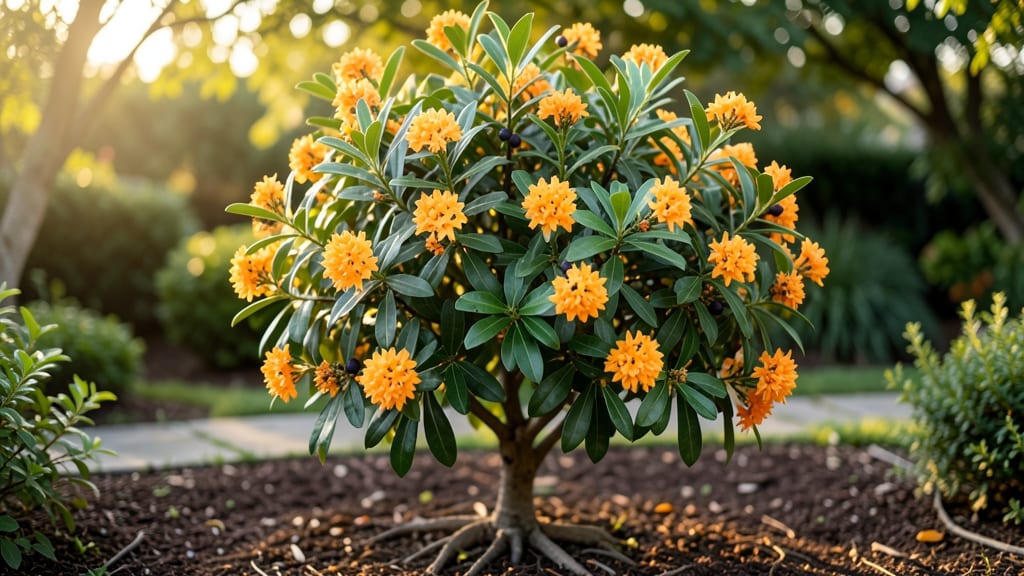
The South Florida tree with orange flowers isn’t just a tree—it’s a sunset spectacle that turns South Florida landscapes into postcard-worthy scenes. 🌺 Its fiery orange blossoms explode across branches in spring, filling the air with a sweet, citrusy fragrance that hummingbirds can’t resist.
I’ve seen entire neighborhoods transform when these trees bloom, their vibrant canopies drawing crowds and wildlife alike.
This drought-tolerant beauty thrives in full sun and sandy soil, making it perfect for coastal areas or sandy yards where other trees struggle. With minimal pruning and no major pests, it’s one of the most low-maintenance yet high-impact choices for Florida gardens.
The trade-off? Those brilliant flowers drop petals everywhere—so plan for some cleanup (or embrace the temporary orange carpet).
Pair it with firebush for a double dose of orange blooms, or plant near coontie palms to create a native Florida paradise. The combination creates a layered effect that hummingbirds will flock to all season.
Just be prepared for the neighborhood jealousy—this tree doesn’t just survive Florida’s heat; it thrives in it.
For best results, plant in well-draining soil and give it space to grow (they can reach 30-40 feet tall). The first year might be slow, but by spring two, you’ll have a canopy that feels like a natural fireworks display—every single year.
📚 In This Guide
- What you need
- Instructions
- Tips and common mistakes
- Wrapping up and next steps
What you need
- ● Tree: Tabebuia caraiba (Yellow Trumpet Tree) or Tabebuia rosea (Pink Trumpet Tree—orange variants are common in South Florida). Choose a 1-2 year old sapling (3-6 ft tall) from a local nursery for best results.
- ● Planting Site: Full sun exposure (6+ hours/day).
- ● Well-draining soil (amend with compost if your soil is heavy clay).
- ● Space! These trees grow 20-30 ft tall and 15-25 ft wide—plan accordingly.
- ● Tools: Shovel or trowel (for digging).
- ● Garden gloves (to protect your hands from thorns on some varieties).
- ● Watering can or hose (with a gentle spray nozzle).
- ● Pruning Supplies (Post-Planting): Bypass pruners (for clean cuts).
- ● Hand saw (for thicker branches, if needed).
- ● Soil Amendments: Slow-release fertilizer (e.g., Osmocote) or citrus-specific plant food to boost growth.
- ● Mulch: 2-3 inches of organic mulch (pine bark or wood chips) to retain moisture and suppress weeds.
- ● Hummingbird-Friendly Additions: A shallow birdbath or nectar feeder nearby to attract pollinators.
- ● Support Stake: A 4-6 ft tall stake (if planting in windy areas).
- ● Tree Guard: Metal or plastic wrap to protect young trunks from pests.
How to plant and care for a South Florida tree with orange flowers
Here's how to establish a fragrant, hummingbird-loving tree that thrives in South Florida's heat and humidity.
🌱 Step 1: Select the Right Tree and Planting Site
Choose a Royal Poinciana (Delonix regia) or Firecracker Plant (Russelia equisetiformis)—both produce brilliant orange flowers and attract pollinators. The Royal Poinciana grows 30-40 feet tall with a wide canopy, while the Firecracker Plant stays 3-6 feet tall as a shrub. For maximum fragrance, plant in full sun with at least 6 hours of direct light daily.
Test your soil—South Florida's sandy soil drains too quickly, so amend with 2-3 inches of compost to retain moisture. Dig a hole twice as wide as the root ball but no deeper. Loosen the edges of the root ball before placing it in the hole to encourage root spread. The tree's topmost roots should sit 1 inch above ground level to prevent rot.
💧 Step 2: Water Deeply and Mulch for Retention
Water the tree deeply immediately after planting—soak the root zone until water drains 6 inches below the soil surface. This encourages roots to grow downward rather than staying shallow. For the first 2-3 weeks, water every other day to help the tree establish. After that, water once a week unless there’s no rain for 5+ days, then check soil moisture—top 2 inches should feel dry before watering again.
Apply 3 inches of organic mulch (like pine bark or cypress mulch) around the base, keeping it 6 inches away from the trunk. Mulch conserves moisture, regulates soil temperature, and suppresses weeds. Refresh the mulch layer annually in late winter to maintain its effectiveness. Avoid inorganic mulches like rocks—they don’t improve soil health.
☀️ Step 3: Fertilize for Vibrant Blooms and Prune Strategically
Use a slow-release, citrus-friendly fertilizer (like 6-6-6 NPK ratio) in early spring and again in late summer. Follow label instructions for dosage—over-fertilizing can burn roots and reduce flowering. South Florida’s heat means nutrients leach quickly, so monthly applications of liquid seaweed extract (diluted to half-strength) keep the tree healthy between fertilizations.
Prune lightly in late winter (February) to shape the tree and remove dead or crossing branches. Avoid heavy pruning—Royal Poincianas bloom on new growth, so trimming too aggressively reduces flowers. For Firecracker Plants, prune after flowering to encourage bushier growth. Sterilize pruners with rubbing alcohol between cuts to prevent disease spread.
✂️ Step 4: Protect Against Pests and Seasonal Stress
Watch for scale insects or mealybugs, which thrive in Florida’s humidity. Spray affected areas with neem oil (mixed 1:1 with water) or introduce ladybugs as natural predators. If aphids appear, blast them off with a strong stream of water—they hate direct pressure. Healthy trees handle pests better, so avoid overwatering, which invites fungal issues like root rot.
During hurricane season, stake young trees if they’re under 5 feet tall to prevent wind damage. Mature trees handle storms better, but remove any broken branches promptly to reduce disease risk. If the tree loses leaves in summer heat, it’s normal—Royal Poincianas drop foliage to conserve water. Just ensure the soil stays moist but not soggy during dry spells.
🪴 Step 5: Enjoy the Fragrance and Hummingbirds Year-Round
The best part? Both trees flower year-round in South Florida, with peak blooms in spring and fall. Hummingbirds will visit daily—place a shallow dish of sugar water (1:4 ratio) nearby to attract them even more. The Royal Poinciana’s bright orange blossoms create a stunning canopy, while the Firecracker Plant’s cascading flowers add vertical interest.
To prolong blooming, deadhead spent flowers (remove them by hand or with pruners) every 2-3 weeks. This redirects the tree’s energy into producing more buds. Over time, the tree’s roots will spread 12+ feet wide, so plant it where it has room to grow without crowding sidewalks or foundations.
Tips & tricks for planting and caring for South Florida's orange-blooming trees
These practical insights will help you create a thriving, fragrant landscape that hummingbirds will adore.
Site Selection Wisdom: The 6 hours of daily sunlight requirement is non-negotiable for vibrant blooms. I've seen Royal Poincianas planted in partial shade still produce flowers, but they'll be sparse and lack fragrance. Pay special attention to afternoon sun exposure—South Florida's intense late-afternoon rays can stress young trees. If your yard has afternoon shade, consider planting the Firecracker Plant instead, which handles slightly less sun better while still producing those stunning orange flowers.
Root Ball Preparation: When loosening the root ball edges before planting, be gentle but thorough. I learned this the hard way—overly tight roots can strangle themselves as they try to spread. Use your fingers to carefully separate the roots at the container's edge, creating a natural "root flare" that encourages outward growth. This is especially important for Royal Poincianas, whose wide canopies need strong root systems to support their massive size.
Watering Strategy: The deep watering technique after planting is crucial—aim for that 6-inch drainage depth. I recommend using a garden trowel to check moisture levels at this depth before stopping. For the first 2-3 weeks, morning watering is ideal to prevent fungal growth from prolonged moisture on leaves. If you must water in the evening, avoid wetting the foliage at all. The "top 2 inches dry" test is perfect for determining when to water after establishment—just stick your finger in the soil and feel for dryness.
Mulching Mastery: That 3-inch organic mulch layer works wonders, but placement matters. I've seen many gardeners pile mulch right against tree trunks, which can cause rot. Keep it 6 inches away from the trunk and create a slight depression around the base to encourage water flow toward the roots. For extra pest control, I sprinkle a thin layer of diatomaceous earth between the mulch and trunk—it deters ants and other crawling insects without harming the tree.
Pro Tips for South Florida Tree With Orange Flowers
- These practical insights will help you create a thriving, fragrant landscape that hummingbirds will adore.
- Site Selection Wisdom: The 6 hours of daily sunlight requirement is non-negotiable for vibrant blooms.
- Root Ball Preparation: When loosening the root ball edges before planting, be gentle but thorough.
Frequently asked questions
Got questions about South Florida’s showstopping orange-blossom trees?
Here are answers to the most common ones—from planting tips to troubleshooting—so you can grow a thriving, hummingbird-friendly canopy!
What’s the best South Florida tree with orange flowers for hummingbirds?
The Royal Poinciana (Delonix regia) and Tabebuia chrysantha (Yellow Tabebuia) are top picks! Both bloom in vibrant oranges, attract pollinators, and thrive in Florida’s heat. For year-round color, consider the Firecracker Plant (Russelia equisetiformis), a flowering shrub with tubular blooms.
When do these trees bloom in South Florida?
Timing varies! Royal Poincianas bloom spring through summer (March–June), while Tabebuias shine in late winter to early spring (February–April). Firecracker Plants offer continuous blooms if pruned regularly. Hummingbirds time their migration with these cycles—plant early for peak attraction!
How much water do orange-flowering trees need in Florida’s heat?
Newly planted trees need deep watering 2–3 times weekly for the first year. Mature trees are drought-tolerant but benefit from 1–2 inches of water per week during dry spells. Pro tip: Mulch around the base to retain moisture and protect roots from extreme temps.
Why aren’t hummingbirds visiting my orange-flowering tree?
Check these fixes:
- Nectar access: Some trees (like Poincianas) have flat blooms—opt for tubular varieties (e.g., Firecracker Plant) for easier feeding.
- Timing: Hummingbirds favor red/orange flowers; if blooms are fading, add a feeder nearby.
- Pesticides: Avoid chemicals—hummingbirds are sensitive to them!
What’s a low-maintenance alternative for small yards?
Try the Bush Jasmine (Jasminum polyanthum) or Orange Buttonwood (Conocarpus erectus):
- Bush Jasmine: Compact, fragrant white/orange blooms; thrives in partial shade.
- Buttonwood: Salt-tolerant, drought-resistant, and blooms year-round in coastal areas.
Both are hummingbird magnets with minimal upkeep!
Wrapping up and next steps
Transforming your South Florida landscape with a stunning tree adorned with vibrant orange flowers isn’t just about beauty—it’s about creating a thriving ecosystem that hummingbirds will adore! 🌺 From selecting the perfect Tabebuia or Royal Poinciana to nurturing it with care, every step brings you closer to a fragrant, buzzing paradise.
Now that you’re equipped with the know-how, why not take action today?
🌱 Your Next Step: Plant & Watch the Magic Happen!
Start by choosing your favorite orange-blossomed tree, gather your supplies, and give your garden the wow factor it deserves. Before you know it, you’ll be sipping lemonade under a canopy of color, with hummingbirds darting playfully around you. Ready to grow? Grab your gloves and let’s get planting! 🌿