
Flowers
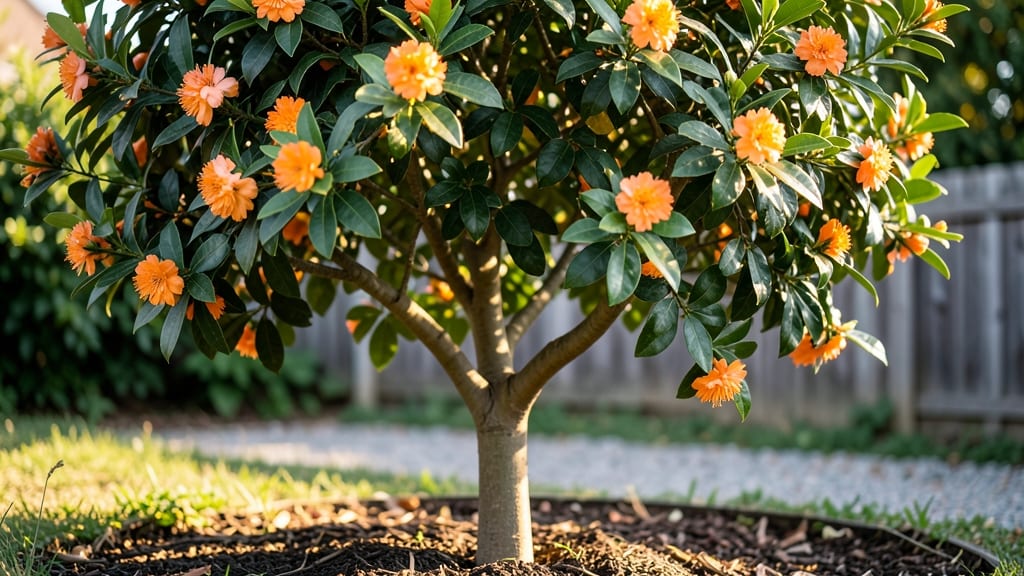
This small tree with orange flowers that smell like spice and sunshine?
That’s the magic of Chimonanthus praecox—the winter sweet—whose fragrant blooms arrive when little else is in bloom. 🌸 I’ve grown these in containers for years, and they’ve become my garden’s secret weapon for early-season color and intoxicating scent. The key?
Matching their love of well-draining soil with the right sunlight balance, or you’ll end up with leggy stems and sparse flowers.
You’ll need a 5-gallon container or larger for mature roots, a mix of 50% potting soil and 50% perlite, and a spot with morning sun and afternoon shade—these trees hate scorching heat.
Water when the top inch of soil feels dry, but never let them sit in soggy soil, or root rot will steal your blooms. Prune in late winter to shape the tree and encourage next year’s flowers, which is when these trees truly shine.
By late winter, you’ll be rewarded with clusters of cup-shaped orange flowers that perfume the air with a scent like cinnamon and honey. The foliage stays lush year-round, and with proper care, these trees live for decades, giving you decades of fragrant blooms.
Even in small spaces, they thrive—just keep them near a window or balcony where you can enjoy their intoxicating aroma up close.
Watch for aphids on new growth and spider mites in dry conditions, but these pests are easy to manage with a strong spray of water or neem oil. If you live in USDA zones 7-9, you can grow them outdoors year-round; colder climates may need winter protection.
The real payoff? A tree that feels like a living candle, lighting up your garden with color and scent when most plants are still asleep.
📚 In This Guide
- What you need
- Instructions
- Tips and common mistakes
- Wrapping up and next steps
What you need
- ● Small tree orange flowering plant: Choose a variety like Choisya ternata (Mexican orange blossom) or Murraya paniculata (orange jasmine). Opt for a 1–3 gallon container-grown specimen for best results.
- ● Well-draining potting mix: 2–3 bags (10–15 quarts each) of a high-quality mix blended with perlite or sand (e.g., 60% potting soil + 40% perlite).
- ● Container: A 15–20 gallon pot with drainage holes (or a fabric grow bag). Ensure it’s at least 18 inches deep for root growth.
- ● Slow-release fertilizer: 1–2 cups of 10-10-10 or 14-14-14 granular fertilizer mixed into the soil.
- ● Watering can or hose with a gentle spray nozzle: For deep, even hydration without over-saturating.
- ● Pruning shears: Sharp, sterilized shears (or small bypass pruners) for shaping and maintenance.
- ○ Mulch (optional but recommended): 1–2 inches of pine bark fines or coconut coir to retain moisture and regulate soil temperature.
- ● Gloves: Heavy-duty gardening gloves to protect hands from thorns (if applicable) and soil.
- ● pH testing kit: To check soil pH (ideal range: 6.0–7.0 for most orange-flowering trees).
- ● Support stake or trellis: For young trees (4–6 feet tall) to prevent toppling in windy conditions.
- ● Organic liquid fertilizer: Fish emulsion or seaweed extract (diluted to half-strength) for monthly feeding during growing season.
- ● Spray bottle with neem oil (1% solution): For pest prevention (e.g., aphids or spider mites).
- ○ Sunlight meter (optional): To confirm your container’s light exposure (aim for 6+ hours of sunlight daily).
Step-by-step guide to growing small orange-flowering trees in containers
Here's how to cultivate these stunning, fragrant trees—perfect for patios and small spaces.
🪴 Step 1: Choose the Right Container and Soil Mix
Pick a container at least 18-24 inches wide with drainage holes—orange-flowering trees like citrus relatives need room for roots and good airflow. I use heavy ceramic pots because they retain moisture better than plastic while still allowing drainage. Fill the bottom third with coarse gravel or broken pottery shards to prevent root rot.
Use a well-draining mix: blend 60% potting soil, 30% perlite or coarse sand, and 10% compost. This keeps roots oxygenated while holding enough moisture. Avoid garden soil—it compacts and suffocates roots. Tap the pot gently after filling to settle the mix without compacting it.
🌱 Step 2: Plant Your Tree and Water Thoroughly
Dig a hole twice as wide as the root ball but only as deep as the top of the root flare (where roots meet trunk). Gently remove the tree from its nursery pot and loosen any circling roots with your fingers. Place it in the hole so the flare sits ½ inch above the soil line—burying it too deep causes rot.
Backfill with your mix, pressing lightly to remove air pockets. Water immediately until it drains freely from the bottom holes. You'll know it's right when the top inch feels damp but not soggy. Mulch the surface with 1-2 inches of bark chips, keeping it 3 inches away from the trunk to prevent moisture buildup that invites disease.
☀️ Step 3: Position for Full Sun and Consistent Care
These trees thrive in 6-8 hours of direct sun daily. A south-facing patio or balcony works best, but east or west exposures also work if you rotate the pot weekly. Watch for leaves yellowing or stretching toward light—signs your tree needs more sun. If indoors, supplement with a grow light 12 inches away for 14 hours daily.
Water when the top 2 inches of soil feel dry. Stick your finger in—if it comes out clean, it's time. Overwatering is the #1 killer, so always check before adding more. Feed every 4-6 weeks in spring/summer with a balanced 10-10-10 fertilizer, halving the recommended dose to avoid burning roots.
✂️ Step 4: Prune for Shape and Encourage Blooms
Prune right after flowering to shape the tree and promote next year's blooms. Remove any dead, crossing, or inward-growing branches first with clean, sharp pruners. Cut just above a leaf node at a 45-degree angle to encourage new growth. Never prune more than 25% of the tree at once—this stresses the plant.
For container trees, prune lightly to control size. You'll see new growth within 2-3 weeks if you've pruned correctly. Avoid heavy pruning in fall or winter—this removes next year's flower buds. Wipe pruners with rubbing alcohol between cuts to prevent spreading disease.
⏰ Step 5: Winter Care for Container Trees
Most small orange-flowering trees need 50-60°F temperatures in winter. Move pots indoors near a bright window or under grow lights if nights drop below 45°F. Reduce watering to every 3-4 weeks—roots grow slowly in cold weather, so soil stays damp longer.
If keeping outdoors, wrap the pot in bubble wrap or frost cloth and place it against a south-facing wall for protection. Check soil moisture weekly—overwatering in cold weather causes root rot. Resume regular care in spring when new growth appears.
Tips & tricks for perfect small tree orange flowers in containers
Here's what I've learned after nurturing these fragrant beauties—avoid these common mistakes and watch your container tree thrive.
Container Size Matters: That 18-24 inch minimum width isn't arbitrary—smaller pots restrict root growth and lead to stunted blooms. I've seen trees in 16-inch pots struggle to produce flowers after just two years. If you're working with limited space, choose a slightly larger pot (24 inches) to give roots room to spread. For extra stability, place a saucer underneath to catch drainage and prevent tipping, especially after watering.
Soil Mix Secrets: The 60-30-10 ratio works beautifully, but here's the trick: sift your potting soil first to remove any large clumps that could compact. I also add a handful of worm castings to the compost portion—this boosts microbial activity and helps roots absorb nutrients more efficiently. If your mix feels too dense after settling, add an extra 5% perlite to improve aeration.
Sunlight Strategy: Those 6-8 hours of direct sun are non-negotiable, but here's how to maximize them: rotate your container ¼ turn weekly to ensure even sun exposure. If you notice new growth leaning toward one side, that's your tree reaching for more light. For indoor growers, position your grow light at a 45-degree angle to mimic natural sunlight patterns and prevent elongated, weak growth. The 14 hours of artificial light should be split between morning and evening to maintain a natural day-night cycle.
Winter Protection Pro Tip: When wrapping your pot in bubble wrap or frost cloth, leave a small gap at the top to allow for airflow—this prevents moisture buildup that can lead to fungal issues. I also recommend moving your tree to a spot with indirect light during winter, as bright windows can create temperature fluctuations that stress the plant. If you're using a heat source nearby, keep it at least 3 feet away to avoid drying out the soil.
Pro Tips for Small Tree Orange Flowers
- Here's what I've learned after nurturing these fragrant beauties—avoid these common mistakes and watch your container tree thrive.
- Container Size Matters: That 18-24 inch minimum width isn't arbitrary—smaller pots restrict root growth and lead to stunted blooms.
- Soil Mix Secrets: The 60-30-10 ratio works beautifully, but here's the trick: sift your potting soil first to remove any large clumps that could compact.
Frequently asked questions
Got questions about nurturing small trees with vibrant orange flowers? You’re not alone! Here are some of the most common queries—plus expert answers to help you grow with confidence.
What’s the best small tree with orange flowers for containers?
Top picks include Choisya ternata (Mexican orange blossom), Crapemyrtle (dwarf varieties), or Abelia grandiflora. These thrive in pots, stay compact (3–10 ft tall), and love partial sun. Pro tip: Pick self-contained root systems to avoid overcrowding!
When do orange-flowering small trees bloom?
Timing varies by type:
- Choisya: Late spring to early summer (fragrant blooms!)
- Crapemyrtle: Summer to fall (long-lasting clusters)
- Abelia: Late spring through fall (continuous blooms)
For year-round color, plant Abelia—it’s the most reliable!
How often should I water a potted orange-flowering tree?
Water when the top 1–2 inches of soil are dry (usually every 5–7 days in summer, less in winter). Watch for:
- Wilting leaves = thirsty plant!
- Yellowing leaves = overwatering (drainage matters!)
Use well-draining soil mix (add perlite or sand) to prevent root rot.
Why aren’t my orange flowers blooming?
Common culprits:
- Too much shade: Most need 6+ hours of sun daily.
- Over-fertilizing: Focus on balanced fertilizer (10-10-10) in spring.
- Pruning at the wrong time: Trim after blooming (never in late winter).
Give it time—some trees take 2–3 years to mature and flower!
Can I grow orange-flowering trees indoors?
Most small orange-flowering trees prefer outdoors but can adapt to bright indoor spots (south-facing windows) with:
- Grow lights (12+ hours/day)
- Humidity trays (pebbles + water)
- Regular pruning to control size
Best indoor pick: Choisya—its glossy leaves add year-round interest!
Wrapping up and next steps
Growing a small tree with stunning orange flowers is a rewarding journey that brings color, fragrance, and life to your space—whether in containers or garden beds! 🌸 With the right variety (like Choisya ternata or Cercis canadensis), proper care, and a little patience, you’ll enjoy vibrant blooms year after year.
The key? Sunlight, well-draining soil, and consistent watering—simple steps that yield big results.
Ready to transform your outdoor area? Start by choosing your favorite orange-flowered tree and gather your supplies. Then, plant with confidence—your future fragrant blooms will thank you! 🌿