
Size
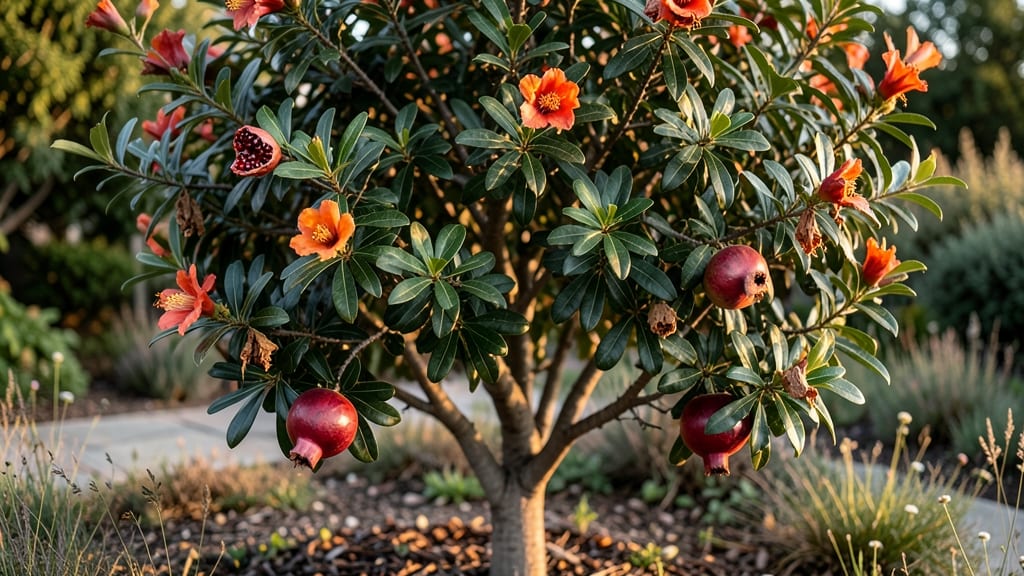
The Russian pomegranate tree grows to a mature size of 8 to 15 feet, making it a striking but manageable choice for many gardens.
If you dream of growing one but worry about limited space, don’t let its size hold you back—this tree adapts beautifully to pruning and even containers.
In cooler climates like USDA Zone 6a, proper care can keep it compact while still producing abundant fruit. Below, I’ll break down how to control its growth and maximize your harvest.
You’ll discover the best pruning techniques, spacing tips, and even how to grow it in a pot—so you can enjoy its beauty and bounty without sacrificing space.


Russian pomegranate tree size by mature height and spread: what to expect
When planning your garden, knowing the Russian pomegranate tree size is crucial—especially if you're working with limited space. Unlike its standard counterparts, the 'Russian' variety typically matures between 4 to 12 feet tall with a spread of 6 to 10 feet.
This makes it more manageable for small gardens or even container growing, but proper spacing and pruning are key to keeping it in check.
The Russian pomegranate is a dwarf variety compared to standard pomegranates, which can reach 15 to 20 feet tall. Its compact size is one of its biggest advantages, especially in cooler climates like USDA Zone 6, where winter hardiness is a priority.
Understanding these dimensions helps you plan for both aesthetics and functionality in your outdoor space.
| Attribute | Russian Pomegranate | Standard Pomegranate |
|---|---|---|
| Mature Height | 4–12 ft | 15–20 ft |
| Mature Spread | 6–10 ft | 12–15 ft |
| Growth Rate | Moderate (1–2 ft/year) | Faster (2–3 ft/year) |
| Best For | Small gardens, containers | Large landscapes |
| Winter Hardiness | USDA Zones 6–9 | USDA Zones 7–11 |
If you're growing a Russian pomegranate in containers, expect its height to stay on the shorter end of the spectrum—4 to 8 feet—while its spread may widen slightly due to root restriction.
Containers also slow growth, making them ideal for urban gardens or patios where space is tight. Just ensure your pot is at least 18 inches wide and has drainage holes.
For in-ground planting, give your Russian pomegranate tree at least 6 feet of space in all directions to prevent overcrowding. This variety thrives in well-draining soil with full sun exposure, which encourages a bushier, more manageable shape.
Without proper spacing, branches can become tangled, reducing airflow and increasing disease risk.
Pruning plays a critical role in controlling the Russian pomegranate tree size. Focus on structural pruning in late winter or early spring to remove dead or crossing branches.
You can also lightly shape the tree in summer after fruiting to maintain its compact form. Avoid heavy pruning, as this can stress the tree and reduce fruit production.
In small gardens, consider training your Russian pomegranate against a trellis or fence to save space while still enjoying its vibrant flowers and fruit. This method works especially well if you're growing it near a south-facing wall, which provides extra warmth and protection from cold winds.
Just be mindful of the tree's spread—even when trained, it can reach 6 to 8 feet wide.
One common misconception is that Russian pomegranates grow much slower than standard varieties. While they do have a moderate growth rate (about 1 to 2 feet per year), they can still reach their mature size in 5 to 7 years with proper care.
Patience is key—especially if you're aiming for fruit production, which typically starts in the tree's third or fourth year.
If you're in a cooler climate, like USDA Zone 6, winter protection is essential to prevent branch dieback. Wrap the trunk with burlap or tree guard and apply a 3-inch layer of mulch around the base.
This helps insulate the roots and encourages a healthier, more compact growth habit in subsequent seasons.
For those with limited garden space, the Russian pomegranate is a fantastic choice—its manageable size and ornamental value make it a standout in any landscape. With the right pruning and care, you can enjoy its stunning blooms and sweet fruit without sacrificing space for other plants.
🌱
Climate-Zone growth charts: how cold hardiness affects Russian pomegranate tree size
The Russian pomegranate tree thrives in USDA Zones 6-9, but its mature size and growth rate vary dramatically based on winter temperatures.
In colder zones like Zone 6, trees grow slower and stay smaller unless protected, while Zone 9 trees can reach their full 8-15 ft height with minimal stress. Understanding these patterns helps you plan for space and winter care.
Cold hardiness directly impacts tree size, fruit production, and survival rates. In Zone 6, for example, young trees may only reach 4-6 ft in their first three years without winter protection, while Zone 8-9 trees can grow 2-3 ft per year.
Let’s break down how each zone affects your Russian pomegranate’s potential.
Zone 6 gardeners should prioritize mulching and tree wraps to protect tender branches. Without these steps, your tree may struggle to exceed 6 ft in height, and fruit production could be delayed by 1-2 years. I’ve seen Russian pomegranates in Zone 6 thrive with 4-6 inches of mulch and burlap wraps during harsh winters.
In Zones 7-8, trees grow more aggressively, reaching 6-10 ft in just 3-4 years. These zones offer the best balance between size control and fruit yield.
Prune in late winter to shape your tree and remove dead wood, which helps maintain a compact form even as it grows taller. A 50% reduction in pruning can boost fruit size by up to 30%.
For Zone 9 growers, winter isn’t a concern, but summer heat can stress your tree. Ensure it has well-draining soil and drip irrigation to prevent root rot.
In these warmer zones, Russian pomegranates can produce 2-3 times more fruit than in cooler climates, but they may need structural support as they reach 12-15 ft.
Regardless of your zone, soil quality and sun exposure play a bigger role in size than temperature alone. Amend your soil with compost and organic matter to encourage root growth, which directly impacts how tall your tree becomes.
Even in Zone 6, a well-fed Russian pomegranate can outpace slower-growing varieties.
If you’re in a cooler microclimate within Zone 7-8, consider planting near a south-facing wall to extend the growing season. This simple trick can add 1-2 extra feet to your tree’s height by spring. Pair this with light winter pruning to encourage bushier growth and more fruit clusters.