
Pruning
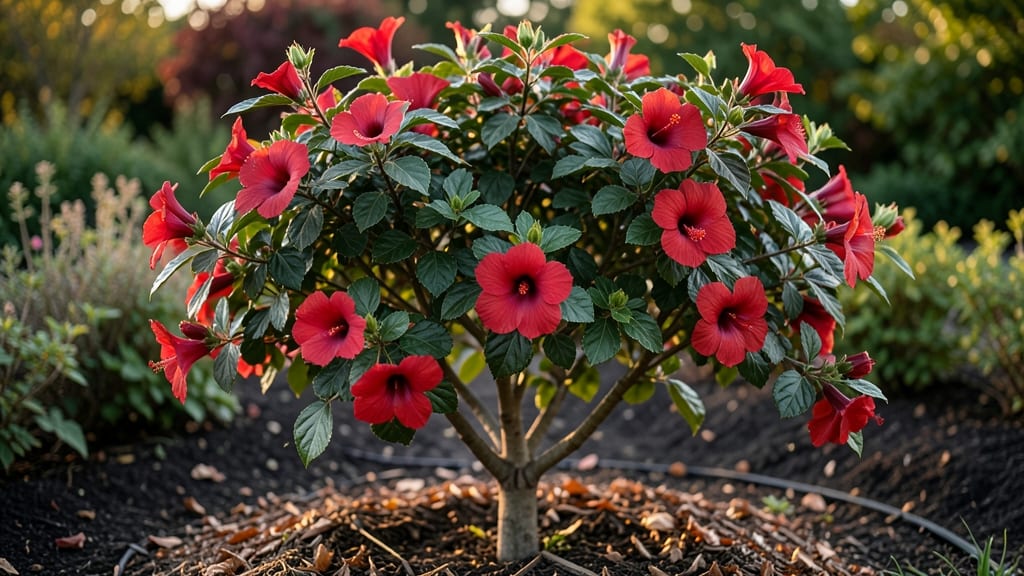
The red Tree Rose of Sharon (Hibiscus syriacus 'Red Tree') transforms your yard into a bold summer statement with its fiery blooms—but without pruning, those flowers turn sparse.
I’ve learned the hard way that skipping this step means fewer blooms and leggy branches, but the right cuts in late winter (before buds swell) unlock a shrub that flowers from July through frost. This isn’t about hacking branches willy-nilly—it’s about strategic shaping.
Prune back one-third of last year’s growth to encourage new stems, which is where the flowers form. Deadhead spent blooms all season to push more buds, and you’ll end up with a shrub so lush it feels like a small tree in your landscape. The key?
Timing and technique—get it wrong, and you’ll have a sad, woody mess. What you’ll get is a reliable bloomer that thrives in zones 5-9, handles drought once established, and even attracts hummingbirds.
The red flowers stand out against dark green foliage, and with proper pruning, your Rose of Sharon will outshine neighbors’ gardens. Ready to turn that shrub into a showstopper? Let’s get to the cuts.
Here’s the thing—this plant is foolproof once you know the basics, but most people over-prune or wait too long. Grab your pruners, gloves, and a sharp pair of shears for clean cuts.
You’ll need to work when the shrub is dormant (late winter to early spring) to avoid damaging new growth, but don’t stress—even a single session makes a difference. The goal is to open up the center for airflow and light, which keeps the plant healthy and flowering.
After pruning, your Rose of Sharon will bounce back with vibrant new growth by spring, setting the stage for a season of blooms. Water deeply after trimming to help it recover, and mulch around the base to retain moisture.
Avoid heavy fertilizing right after pruning—this shrub does best with moderate care, not pampering. Within weeks, you’ll see fresh leaves and buds forming where you made your cuts.
This method works whether you’re shaping a small tree or keeping it as a shrub—just adjust the height. For a tree-like form, select one central leader and prune side branches to maintain an open canopy. If you prefer a bushier look, prune back evenly all around.
Either way, you’ll end up with a neighborhood-turning-heads Rose of Sharon that blooms like crazy. Stick with it, and you’ll have a low-maintenance star for years.
📚 In This Guide
- What you need
- Instructions
- Tips and common mistakes
- Wrapping up and next steps
What you need
- ● Pruning shears or loppers: Sharp, bypass-style shears (for small branches) or loppers (for thicker stems). Size: 6–8" blades for shears, 8–12" for loppers.
- ● Hand pruners: For delicate trimming (e.g., shaping or removing small suckers). Size: 5–6" blades.
- ● Gloves: Heavy-duty gardening gloves (to protect from thorns and sap). Material: Leather or reinforced fabric.
- ● Disinfectant (70% rubbing alcohol or pruning sealant): To sterilize tools between cuts and prevent disease.
- ● Rake or broom: For clearing fallen debris post-pruning.
- ○ Pruning saw (optional but helpful): For stubborn, thick branches. Type: Curved blade for clean cuts.
- ● Knowledge of your plant’s age: Mature shrubs (3+ years) can handle heavier pruning; younger ones need gentler shaping.
- ● Weather check: Prune on a dry, overcast day to reduce stress on the plant.
- ● Safety gear: Safety glasses (if dealing with large branches) and long sleeves/pants.
Instructions for pruning Red Tree Rose of Sharon
This is the method I've used for years to keep my Rose of Sharon blooming nonstop—no fancy tools, just smart cuts.
Understand the Right Time to Prune
Prune your Red Tree Rose of Sharon in late winter or early spring, just as buds begin to swell but before new growth starts. This is typically February to March in most climates, but watch for the first signs of life—those tiny, plump buds are your cue. Pruning at this time encourages strong, healthy growth and sets the stage for summer blooms.
If you missed the late winter window, you can do a light pruning in early summer after the first flush of flowers, but avoid heavy pruning then—it can stress the plant and reduce fall blooms. I always mark my calendar with a bright sticker so I don’t forget this critical timing.
Remove Dead, Diseased, or Weak Wood
Start by inspecting your shrub for branches that are dead, diseased, or crossing. Dead wood is easy to spot—it’s brown, brittle, and doesn’t bend when you test it. Diseased branches often have dark spots, mold, or unusual growths. Remove these first, cutting back to a healthy bud or branch junction.
Next, look for branches that are growing inward or rubbing against others. These create weak spots and can lead to disease. Use clean, sharp pruners to make a 45-degree cut just above an outward-facing bud. This encourages the new growth to spread outward, giving your shrub a fuller, more balanced shape.
Thin Out Overcrowded Branches
Rose of Sharon blooms on new wood, so you want to maintain an open, airy structure. Start by removing one-third of the oldest wood—these are the thickest, woody branches at the center of the shrub. Older branches produce fewer flowers and can become a haven for pests.
Next, thin out any branches that are growing too close together. Aim for a V-shaped opening in the center of the shrub to allow sunlight and air to reach all parts. This step is where you’ll see the most dramatic improvement in blooms—your shrub will reward you with lush, vibrant flowers all season long.
Shape the Shrub for Balance and Airflow
Step back and assess the overall shape of your shrub. Rose of Sharon responds well to light shaping, so avoid heavy shearing. Instead, focus on selective pruning to create a natural, balanced form. Cut back any branches that are growing too long or leggy, making your cuts just above a bud that faces outward.
Pay special attention to the top of the shrub. If it’s getting too tall or top-heavy, prune the tallest branches first to encourage a more compact growth habit. This also helps prevent storm damage during heavy winds or snow. A well-shaped shrub not only looks better but also blooms more evenly.
Clean Up and Monitor for New Growth
After pruning, rake up and dispose of all the clippings to reduce the risk of disease. Avoid composting diseased wood—it can spread pathogens to other plants. Once the cuts are made, water your shrub deeply to help it recover and encourage new growth.
Within 2-3 weeks, you should see fresh, green shoots emerging from the buds you left behind. This is your signal that the pruning was successful. Keep an eye on the new growth and avoid pruning again until next winter—your Rose of Sharon will thank you with months of stunning red blooms.
Tips & tricks for pruning Red Tree Rose of Sharon
A few smart moves can transform your pruning from routine to rewarding. These are the lessons I learned after years of trial and error with my own shrubs.
Timing is Everything: The February to March window is your best shot for peak results, but don't stress if you miss it. I've found that even a light summer trim after the first flowers appear still yields beautiful fall blooms. The key is to avoid heavy pruning in summer—this is when your shrub is already working hard to produce flowers, and cutting too much can leave it exhausted for the second bloom cycle.
The 45-Degree Cut Secret: When making your cuts in Step 2, that 45-degree angle isn't just for looks—it's a growth hack. Cutting just above an outward-facing bud at this angle creates a natural shield that protects the bud from rain and snow while allowing sunlight to reach it. This small detail makes all the difference in how quickly and vigorously your new growth emerges in those critical 2-3 weeks after pruning.
One-Third Rule for Maximum Blooms: Removing one-third of the oldest wood in Step 3 might seem drastic, but trust me on this. Those thick, woody branches at the center of your shrub are energy vampires—they suck resources that could be going toward vibrant new flowers. I've seen shrubs go from sparse blooms to overflowing with flowers just by applying this simple ratio. Think of it as giving your plant a spring cleaning that opens up its energy pathways.
Storm-Proof Your Shrub: Pay special attention to the top of your shrub in Step 4. Those tallest branches aren't just making your plant look leggy—they're also creating wind sails that can snap in storms. By pruning them back first, you're not just shaping your shrub, you're also creating a more resilient structure. I've had to replace entire shrubs after winter storms because they weren't properly balanced, so this is one tip I wish I'd learned sooner.
Pro Tips for Red Tree Rose Of Sharon
- A few smart moves can transform your pruning from routine to rewarding.
- Timing is Everything: The February to March window is your best shot for peak results, but don't stress if you miss it.
- The 45-Degree Cut Secret: When making your cuts in Step 2, that 45-degree angle isn't just for looks—it's a growth hack.
Frequently asked questions
Got questions about keeping your Red Tree Rose of Sharon (Hibiscus syriacus) thriving with year-round blooms? Here are some of the most common ones—and their answers!
When is the best time to prune my Red Tree Rose of Sharon?
Prune your Hibiscus syriacus in late winter or early spring (before new growth starts) for optimal blooms. You can also do a light trim after flowering to shape the plant or encourage a second flush. Avoid heavy pruning in fall—it reduces winter hardiness. Pro tip: If you live in a mild climate, a mid-summer trim can extend blooming season!
How much can I cut back my Red Tree Rose of Sharon?
You can prune up to ⅓ of the plant’s height annually without stressing it. For rejuvenation, cut back older branches by half to encourage new, vigorous growth. Just avoid over-pruning—this shrub is resilient but benefits from a balanced approach. Warning: Never remove more than ⅓ in one season, or you risk stunted growth.
Why isn’t my Red Tree Rose of Sharon blooming as much as it should?
Under-blooming often stems from poor pruning timing (e.g., cutting back after buds form) or over-fertilizing with nitrogen, which promotes leafy growth over flowers. Ensure you prune in late winter, use a balanced bloom fertilizer (10-10-10), and provide full sun (6+ hours daily). Check: Are branches too dense? Thin them out for better airflow!
Can I grow a Red Tree Rose of Sharon in a pot?
Yes! Choose a large container (15+ gallons) with drainage holes and use well-draining potting mix. Prune regularly to control size, and repot every 2–3 years. However, potted Hibiscus syriacus may bloom less vigorously than in-ground plants. Bonus: Move pots to a sunny spot in winter if you’re in a cold climate!
What pests should I watch for, and how do I treat them?
Common pests include aphids, spider mites, and scale insects. Treat mild infestations with a strong spray of water or insecticidal soap. For severe cases, use neem oil or horticultural oil. Prevent pests: Prune for airflow, avoid overwatering, and inspect leaves regularly during warm months.
| Quick Fix | When to Use |
|---|---|
| Water spray | Early-stage aphids/mites |
| Neem oil | Moderate pest outbreaks |
| Prune affected branches | Severe infestations (dispose of clippings) |
Wrapping up and next steps
The Red Tree Rose of Sharon is a stunning addition to any garden, and with the right pruning techniques, you can enjoy its vibrant blooms year-round!
By understanding when and how to trim—whether for shaping, rejuvenation, or maintenance—you’ll keep your plant healthy and thriving. Start small, stay consistent, and watch your garden flourish!
Ready to take the next step? Grab your pruners and schedule your first trim session—your Red Tree Rose of Sharon will thank you with bursts of color for seasons to come! 🌸✂️