
Pruning
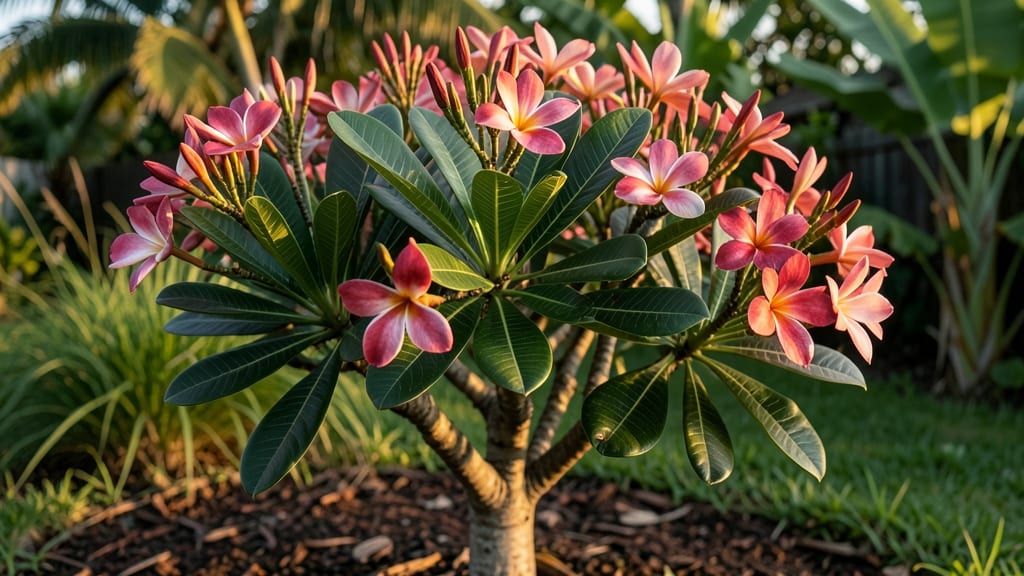
Arizona’s scorching sun turns most plants into crispy memories—but plumeria trees thrive here. 🌵 I’ve grown them through three desert summers, and the secret to their year-round blooms isn’t magic, it’s smart pruning and water management.
These fragrant beauties love the heat, but they need your help to stay lush and productive.
The key is working with the desert climate, not against it. Plant in well-draining soil (cactus mix works great), water deeply but infrequently, and prune after blooms to encourage new growth.
Most people overwater, which leads to root rot—plumerias store moisture in their thick trunks, so they’re built for drought once established.
By summer’s end, you’ll have a tree covered in waxy, tropical flowers that smell like a Hawaiian vacation. The blooms last longer in Arizona’s dry air, and with the right pruning schedule, you’ll get three flushes of flowers instead of just one.
It’s all about timing cuts and protecting from rare cold snaps.
Even in Phoenix or Tucson, these trees handle the heat better than most. The biggest mistake? Ignoring pests like mealybugs or over-pruning in winter. I’ll show you how to keep them healthy through our long, hot growing season—no green thumb required, just a little patience.
📚 In This Guide
- What you need
- Instructions
- Tips and common mistakes
- Wrapping up and next steps
What you need
- ● Pruning shears: Bypass pruners (sharp, clean, and sterilized with rubbing alcohol). Quantity: 1 pair.
- ● Hand pruners: For smaller branches (2–3 inches in diameter). Quantity: 1 pair.
- ● Loppers: For thicker branches (3–6 inches). Quantity: 1 pair.
- ○ Horticultural saw: For branches over 6 inches (optional but helpful for stubborn cuts). Quantity: 1.
- ● Disinfectant (rubbing alcohol or bleach solution): 1:10 bleach-to-water mix for sterilizing tools.
- ● Gloves: Heavy-duty gardening gloves (to protect from thorns and sap). Quantity: 1 pair.
- ○ Pruning sealant: Optional but recommended for large cuts (e.g., Tanglefoot Tree Wound Pruning Seal).
- ● Bucket of water: For rinsing tools and cleaning sap.
- ● Trash bags: For disposing of pruned branches. Quantity: 2–3.
- ● Extension pole: For high branches (10–15 feet).
- ● Safety glasses: To shield eyes from debris.
- ● Marking twine: For tagging branches to prune later.
- ● Mulch or compost: To replenish soil after pruning.
Step-by-step instructions for pruning plumeria trees in Arizona
Here's how I keep my plumeria blooming nonstop in Arizona's brutal summers—without wasting water.
✂️ Step 1: Prune After the Last Frost
Your plumeria needs a clean start before Arizona's heat ramps up. I prune in late February to early March when nights stay above 50°F—that's when new growth begins. Grab your sterilized pruning shears and cut back one-third of the previous year's growth to encourage fresh, vigorous branches.
Watch for brown, dead wood—it's easy to spot in plumeria because it won't snap when bent. Cut just above a leaf node (the bump where leaves attach) at a 45-degree angle. This ensures water runs off instead of pooling and rotting the cut. I always sterilize my shears with rubbing alcohol between cuts to prevent bacterial spread.
🌱 Step 2: Shape for Airflow and Sun Exposure
Plumeria trees need full sun (6+ hours daily) to bloom, so I prune to create an open, airy shape. Remove any branches growing inward or crossing others—these block sunlight and airflow, which leads to fungal issues. You'll see thick, woody stems with clusters of leaves; these are your main structural branches.
Leave 3-5 main branches per tree to maintain strength. Thin out crowded areas until light can penetrate to the center. I like to step back every few cuts to visualize the tree's shape—it's easier to spot what needs removing when you see the whole plant. Avoid cutting into the pith (the soft center of the stem), as this weakens the branch.
☀️ Step 3: Encourage Blooming with Strategic Cuts
Plumeria blooms form on new wood, so pruning stimulates flowers. After shaping, make light cuts on the remaining branches to encourage branching. Look for side buds (small bumps along the stem) and trim just above them. This tells the plant to grow outward instead of upward.
I also remove spent blooms immediately after they fade—this redirects the plant's energy into producing new flowers instead of seed pods. Use clean, sharp shears to avoid tearing the stems. If you see yellowing leaves, it's a sign of overwatering or poor drainage; adjust your care routine immediately.
💧 Step 4: Water Deeply and Mulch for Drought Resistance
After pruning, water deeply to help the tree recover. Plumeria trees in Arizona need 1-2 inches of water per week, but they hate soggy roots. I water at the base of the tree in the early morning to reduce evaporation. Let the top 2 inches of soil dry out between waterings—this mimics the desert's natural cycles.
Spread 2-3 inches of mulch (like wood chips or gravel) around the base, but keep it 2 inches away from the trunk to prevent rot. Mulch locks in moisture and keeps roots cool during Arizona's scorching summers. Avoid over-mulching—too much can smother the roots and attract pests.
⏰ Step 5: Monitor and Maintain Through the Seasons
Plumeria trees bloom on a seasonal schedule, but in Arizona, they can flower year-round with proper care. After the initial pruning, I do light maintenance trims every 4-6 weeks to remove dead wood and shape the tree. Watch for new growth—it should appear within 2-3 weeks of pruning.
If your plumeria stops blooming, it might need more sunlight or a balanced fertilizer (like 10-10-10) applied in early spring and summer. I fertilize lightly—just a handful of granules spread around the base—because plumeria trees are sensitive to over-fertilizing. Keep an eye out for pests like scale or mealybugs, and treat them immediately with neem oil if spotted.
Tips & tricks for pruning plumeria trees in Arizona
These simple tricks will help you keep your plumeria thriving and blooming through Arizona's harshest months.
Timing is Everything: The late February to early March window is critical because plumeria trees need that 50°F nighttime temperature to kickstart new growth. I've learned the hard way—pruning too early can shock the tree, while waiting too long means you miss the optimal growth period. If you're unsure about frost dates, check your local weather station or ask your county extension office for precise timing.
Tool Prep Prevents Problems: Sterilizing your pruning shears between cuts is more important than you might think. I keep a small bottle of rubbing alcohol handy and wipe down the blades after every 3-4 cuts. This simple step prevents bacterial and fungal spread that can weaken your tree. Don't skip this—it's the difference between a healthy tree and one struggling with infections.
Visual Cues for Perfect Cuts: When making your 45-degree angle cuts just above leaf nodes, look for the "thumbprint" indent where the leaf attaches. This tells you exactly where to cut without damaging the growth point. For dead wood identification, bend the branch—if it snaps cleanly, it's dead; if it bends slightly, it's still alive. This simple test saves you from making unnecessary cuts.
Mulching Mastery: The 2-3 inches of mulch should be spread evenly but kept 2 inches away from the trunk. I use a mix of wood chips and small gravel because it drains well while retaining moisture. Pro tip: Refresh your mulch every 6 months to maintain its effectiveness. Too much mulch can actually harm your tree by suffocating the roots, so measure carefully.
Pro Tips for Plumeria Tree Arizona
- These simple tricks will help you keep your plumeria thriving and blooming through Arizona's harshest months.
- Timing is Everything: The late February to early March window is critical because plumeria trees need that 50°F night...
- Tool Prep Prevents Problems: Sterilizing your pruning shears between cuts is more important than you might think. I k...
Frequently asked questions
Got questions about growing plumeria trees in Arizona? You’re not alone! Here are some of the most common queries—plus quick answers to keep your fragrant blooms thriving year-round.
Can plumeria trees survive Arizona’s extreme heat and drought?
Plumerias are highly drought-tolerant and thrive in Arizona’s USDA Zones 9-11. Once established, they need minimal water—deep watering every 2-3 weeks (or less in summer) is ideal. Mulch around the base to retain moisture and protect roots from scorching heat.
When is the best time to prune plumeria trees in Arizona?
Prune after flowering (late spring to early summer) to encourage new growth and blooms. Avoid heavy pruning in winter unless dead or damaged branches need removal. Light trimming (removing up to 1/3 of growth) promotes bushier plants and more flowers.
How do I protect my plumeria from Arizona’s freezing temperatures?
Arizona’s rare cold snaps (below 28°F) can damage plumerias. Wrap the tree in burlap or frost cloth and cover it with a blanket or tarp. Move potted plumerias to a sheltered spot (like a garage) if possible. Never prune in winter—wait until spring to assess damage.
What are some low-maintenance alternatives to plumerias for Arizona?
If plumerias seem too high-maintenance, consider these drought-resistant, fragrant Arizona natives:
- Desert Rose (Adenium obesum) – Thrives in heat, blooms year-round with minimal care.
- Texas Ranger (Leucophyllum frutescens) – Drought-proof and bursts with purple blooms after rain.
- Mexican Orange (Choisya ternata) – Evergreen with citrus-scented flowers and low water needs.
Why aren’t my plumeria leaves turning green, and how do I fix it?
Yellowing or pale leaves often signal overwatering, nutrient deficiency, or pests. Check soil moisture—plumerias hate soggy roots. Fertilize lightly with a balanced, slow-release fertilizer (like 8-8-8) in spring. Inspect for scale or mealybugs and treat with neem oil if needed.
Wrapping up and next steps
Growing a thriving plumeria tree in Arizona is totally doable—even with the desert’s dry climate! 🌵 With the right drought-resistant pruning techniques, you can enjoy stunning, year-round blooms while keeping your tree healthy and resilient.
Remember, regular trimming, proper watering, and a little patience are your best friends for a flourishing plumeria.
Ready to take the next step? Start small:
- Pick a sunny spot in your yard and grab your pruning tools.
- Follow the tips above to give your plumeria the care it deserves.
- Watch it transform into a fragrant, vibrant centerpiece for your Arizona home!