
Pruning
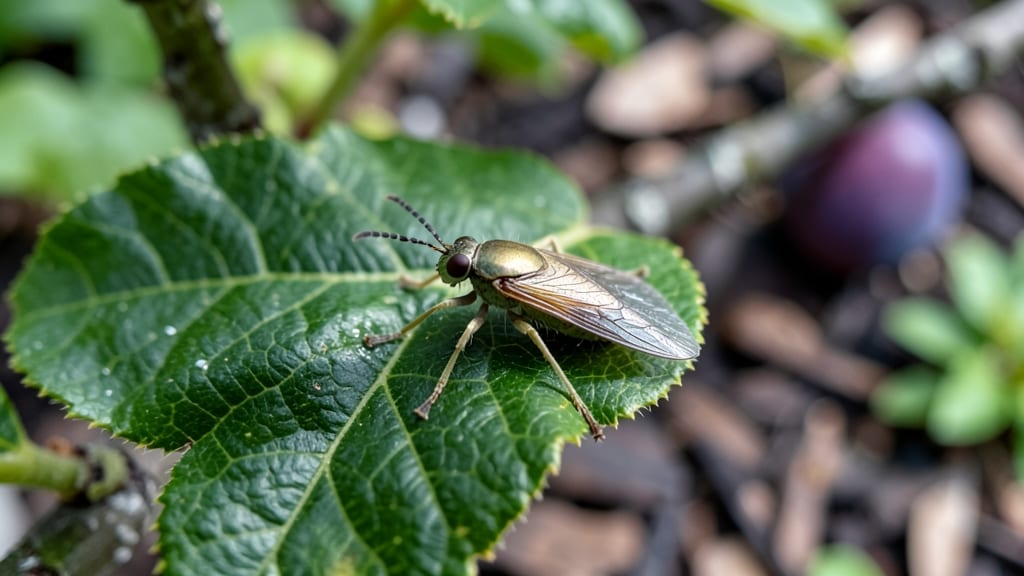
Spotting plum tree bugs in pictures feels like a gut punch—those tiny invaders can turn lush branches into skeleton shadows overnight. 🌿 I’ve spent years tracking down the culprits, from sap-sucking aphids to voracious plum curculio beetles, and I’ll show you exactly what to look for in my visual guide.
Most pests leave telltale clues: curled leaves, sticky residue, or holes in fruit. The key is acting fast—some bugs, like Japanese beetles, strip trees bare in days. Organic sprays, neem oil, and proper pruning can stop them before they wreck your harvest.
You’ll learn to recognize each pest by sight and behavior, plus when to call in reinforcements. No more guessing games—just clear pictures, damage descriptions, and step-by-step fixes to save your tree. Perfect for gardeners who want to protect their plum trees without harsh chemicals.
Let’s get those pests identified and eliminated!
Root Causes Of Plum Tree Infestations
Plum trees, with their lush foliage and sweet fruit, can quickly become a buffet for unwanted pests if conditions align. Understanding why these critters invade your tree is the first step to reclaiming its health.
Below, we break down the science—and the real-world triggers—behind common plum tree bugs, from environmental factors to human habits that accidentally invite them in.
Plum trees, like all plants, rely on a complex immune system to fend off pests. When this defense weakens, bugs see an open invitation. Here’s what compromises their resilience:
- Nutrient Deficiencies: Plum trees need a balanced diet of nitrogen, phosphorus, and potassium to stay strong. A deficiency—often caused by poor soil or over-pruning—leaves them vulnerable. Example: Yellowing leaves (chlorosis) signal nitrogen starvation, making trees easier targets for aphids and scale insects, which thrive on stressed sap.
- Water Stress: Overwatering suffocates roots by cutting off oxygen, while underwatering dries out foliage, both creating stress signals that attract pests like borers and spider mites. Pro Tip: Water deeply 1–2 times per week (depending on climate) and ensure soil drains well to avoid soggy roots.
- Disease Pressure: Fungal infections (e.g., silver leaf disease) or bacterial spots weaken tree tissue, creating entry points for bugs. Example: The plum leaf curl virus distorts leaves, making them prime real estate for psyllids, which lay eggs in the curled edges.
💡 Actionable Fix: Conduct a soil test to check pH and nutrient levels, and fertilize with a balanced, slow-release formula (e.g., 10-10-10) in early spring. Prune only during dormancy to minimize stress.
Sometimes, the problem isn’t nature—it’s us. Unintentional gardening mistakes can turn your plum tree into a pest magnet. Here’s how:
- Over-Fertilizing with Nitrogen: While nitrogen promotes leafy growth, excessive use creates soft, tender foliage that aphids and Japanese beetles adore. Science Note: Nitrogen-heavy fertilizers (e.g., lawn fertilizers) spike sap production, making trees more appealing to sap-sucking insects.
- Ignoring Mulch Piles or Debris: Leaves, fallen fruit, and thick mulch layers create microclimates that pests love. Example: Stink bugs and earwigs hide in damp mulch during the day and emerge at night to feed on blossoms and fruit.
- Neglecting Pruning Hygiene: Using dull or contaminated tools spreads diseases (e.g., bacterial canker) that weaken trees. Pro Tip: Sterilize pruners with 70% isopropyl alcohol between cuts to prevent cross-contamination.
🔥 Quick Fix: Remove all debris within 3 feet of the tree’s trunk, use sharp, clean tools for pruning, and opt for organic, slow-release fertilizers (e.g., compost or worm castings) to avoid nitrogen spikes.
Pests don’t invade randomly—they respond to environmental cues. Plum trees in the wrong place or at the wrong time become easy targets. Here’s what sets the stage:
| Factor | How It Attracts Bugs | Solution |
|---|---|---|
| Poor Air Circulation | Dense foliage or overcrowded trees trap moisture, creating humid conditions ideal for scale insects and mealybugs. | Thin out branches to improve airflow; space trees 15–20 feet apart. |
| Urban Heat Islands | Cities with higher temperatures accelerate pest lifecycles. Example: Plum curculio beetles emerge earlier in warm microclimates, attacking fruit before it ripens. | Plant heat-tolerant varieties (e.g., Stanley plum) and use shade cloth in peak summer. |
| Drought Followed by Heavy Rain | Stressed trees rebound with bursting new growth, which aphids and mites exploit. Science Note: Sudden water uptake dilutes the tree’s defensive compounds. | Mulch heavily to retain moisture and water deeply but infrequently. |
✨ Long-Term Strategy: Choose disease-resistant plum varieties (e.g., Santa Rosa or Larry Kelley) and monitor local pest outbreaks via cooperative extension service alerts in your region.
Plum trees in disrupted ecosystems suffer more from pests because their natural predators are missing. Here’s how modern gardening practices throw off the balance:
- Pesticide Overuse: Broad-spectrum chemicals (e.g., neonicotinoids) kill beneficial insects like ladybugs and lacewings, which prey on aphids and mites. Result: Without predators, pest populations explode.
- Monoculture Plantings: Planting only plum trees (or other stone fruits) creates a pest buffet. Example: San Jose scale thrives in large, uniform orchards with no natural barriers.
- Lack of Biodiversity: Gardens with only ornamental plants lack the pollinators and pest-controlling insects found in wild or mixed landscapes.
🌿 Eco-Friendly Fix:
- Introduce companion plants like garlic, marigolds, or dill to repel pests naturally.
- Install a bee bath or native plant border to attract parasitic wasps (e.g., Trichogramma), which lay eggs in pest larvae.
- Switch to targeted organic sprays (e.g., neem oil or kaolin clay) to avoid harming beneficial insects.
Practical Fixes for Plum Tree Pests
Plum trees are a gardener’s pride, but pests like aphids, scale insects, plum curculio beetles, or spider mites can turn your harvest into a battle. The good news? Most issues have simple, effective solutions—whether you’re dealing with chewing damage, sticky sap, or wilting leaves.
Below, we’ve mapped out targeted fixes based on the most common culprits, plus prevention tips to keep your tree thriving long-term.
---
Signs: Irregular holes in fruit, notched leaves, or sawdust-like frass (droppings) near branches.
#### 🍳 Step-by-Step Fix: 1. Handpick Adults (Early Season) - Wear gloves and inspect fruit and leaves for small, snout-nosed beetles (plum curculio) or green/black larvae. - Drop them into soapy water to eliminate them immediately.
2. Apply Organic Sprays (Pre-Bloom & Post-Harvest) - Neem oil (1 tsp per quart of water + dish soap) disrupts their life cycle. Spray before buds swell and again after harvest. - Kaolin clay (e.g., Surround WP) creates a protective film that deters beetles.
3. Prune Damaged Branches - Cut out cankered or heavily infested branches (sterilize pruners with rubbing alcohol). - Dispose of clippings in sealed bags—do not compost to prevent reinfestation.
4. Use Row Covers (For Sawfly Larvae) - Cover young trees with fine mesh netting during larval emergence (late spring).
#### 💡 Prevention Tips: - Traps: Hang pheromone traps (for plum curculio) in early spring to catch adults before they lay eggs. - Mulch: Apply wood chips or straw around the base to discourage overwintering pests. - Clean Up: Remove fallen fruit and debris in autumn to starve larvae.
---
Signs: Sticky residue (honeydew) on leaves, yellowing, or tiny webs (mites).
#### 🥘 Step-by-Step Fix: 1. Blast Off with Water (Early Infestation) - Use a strong hose spray to dislodge aphids and scale from leaves and branches.
2. Soap or Oil Sprays (For Light/Medium Infestations) - Insecticidal soap (1 tbsp per quart of water) or horticultural oil (1% concentration) smothers soft-bodied pests. - Apply early morning or late evening to avoid harming bees.
3. Release Beneficial Insects (Long-Term Control) - Ladybugs, lacewings, or parasitic wasps (e.g., Aphidius colemani) target aphids naturally. Order from garden centers.
4. Scrape Off Scale Insects - Use a plastic scraper or old toothbrush to physically remove scale clusters from bark and branches.
#### 🌡️ Prevention Tips: - Encourage Diversity: Plant marigolds, dill, or yarrow nearby to attract predator insects. - Avoid Over-Fertilizing: Nitrogen-heavy soil attracts aphids—use balanced fertilizer (10-10-10). - Monitor Regularly: Check undersides of leaves weekly for early signs of mites or scale.
---
Signs: Black spots, oozing cankers, or premature fruit drop.
#### ⏰ Step-by-Step Fix: 1. Prune Infected Areas - Cut out cankers or blighted branches 6 inches below the damage. Burn or bag the clippings.
2. Apply Fungicide (Preventative) - Use copper fungicide (e.g., Bordeaux mixture) or baking soda spray (1 tbsp baking soda + 1 tsp oil + 1 quart water) every 2 weeks during wet seasons.
3. Improve Airflow - Thin out dense branches to reduce humidity, which fuels fungal growth.
#### ✨ Prevention Tips: - Water at the Base: Avoid wetting leaves to prevent fungal spores from spreading. - Sterilize Tools: Clean pruners with rubbing alcohol between cuts. - Plant Resistant Varieties: Choose disease-resistant plum cultivars (e.g., ‘Stanley’, ‘Santa Rosa’).
--- Combine monitoring, cultural controls, and targeted treatments for the best results. Start with preventative measures, then escalate to sprays only if needed. A healthy plum tree with strong airflow, proper nutrition, and minimal stress is the best defense against pests!
--- Need visual help? Check out our [plum tree pest identification guide] (link placeholder) for side-by-side comparisons of common bugs and damage.
Frequently asked questions about plum tree bugs
How can I tell if the tiny black dots on my plum leaves are bugs or just dirt?
Those black dots are likely scale insects or sooty mold (a fungal growth fed by honeydew). To confirm, gently scrape the dots with your fingernail—if they smear like wax, it’s scale. If they brush off easily, it’s mold caused by sap-sucking pests like aphids. Check leaf undersides for sticky residue.
Are Japanese beetles harmful to plum trees, and how do I get rid of them?
Yes, Japanese beetles can devastate plum trees by skeletonizing leaves in days. Handpick them into soapy water or use neem oil spray (mix 1 tbsp per quart of water). For severe infestations, try milky spore powder (organic bacteria that targets beetle grubs in soil). Apply in early morning when beetles are sluggish.
Why do my plum fruits have tiny holes, but no visible bugs?
Those holes are likely from plum curculio beetles or fruit flies. The adults lay eggs in fruit, and the larvae burrow inside—you’ll rarely see them. To prevent this, wrap trees in fine mesh netting at bloom time or apply kaolin clay (like Surround WP) as a protective barrier. Remove all fallen fruit promptly.
Can I use dish soap to kill bugs on my plum tree?
Yes, but use it correctly—mix 1 tablespoon of mild dish soap with 1 quart of water and spray directly on pests (aphids, mites, or soft-bodied insects). Avoid spraying in direct sunlight or when bees are active. For tougher pests like scale, combine with horticultural oil (1% concentration) for better results.
How often should I inspect my plum tree for bugs?
Check your tree every 5–7 days during growing season (spring to fall). Focus on new growth, leaf undersides, and fruit—these are hotspots for early infestations. After rain or when you notice wilting leaves, do a quick inspection. Early detection means easier treatment and less damage to your tree.