
Neem Oil
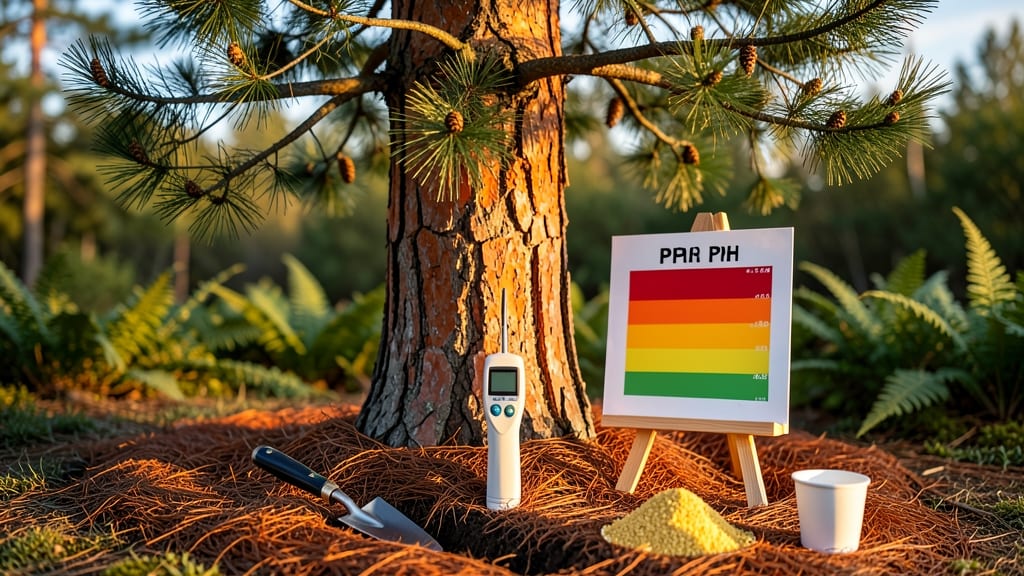
The ideal soil pH for a pine tree 🌲 is between 4.5 and 6.0, a range that keeps nutrients flowing and roots thriving.
Struggling to keep your pine trees healthy? The secret might be hiding in your soil pH—getting it wrong can stunt growth or invite pests, while the perfect balance unlocks lush, resilient trees.
Most gardeners overlook soil acidity, but pine trees are highly sensitive to even slight pH shifts. A simple test can reveal whether your soil is too alkaline or too acidic, and with the right amendments, you can restore the perfect growing conditions in just a few weeks.
In this guide, I’ll walk you through testing your soil, adjusting pH with organic fixes, and avoiding common mistakes that sabotage growth. Let’s get your pine trees growing faster and stronger than ever.
Optimal soil pH for pine trees: exact ranges by species type
Pine trees thrive when their soil pH aligns with their natural preferences—most species prefer acidic soil between pH 4.5 and 6.0. However, not all pines are created equal!
Some varieties, like the Scotch pine, tolerate slightly higher pH levels, while others, such as the Eastern white pine, demand stricter acidity. Understanding these nuances is key to unlocking your pine tree’s full potential and preventing nutrient deficiencies that stunt growth or invite pests.
Soil pH directly impacts nutrient availability—too alkaline (high pH) locks out essential elements like iron and manganese, while too acidic (low pH) can leach vital nutrients like calcium and magnesium.
For example, a red pine struggling with yellowing needles might simply need a slight pH adjustment to access the iron it craves. Testing your soil’s pH before planting or amending it can save you years of frustration and costly mistakes.
Regional variations also play a role: coastal pines often adapt to slightly higher pH soils due to natural mineral deposits, while mountain pines thrive in more acidic, organic-rich soils.
If you’re in the Southeastern U.S., your native loblolly pine may already be happy in your natural soil, but a Japanese black pine imported from Asia might need a more acidic mix to flourish.
Always match your pine species to your local soil conditions—or tweak the soil to match the tree!
| Pine Species | Optimal pH Range | Tolerance Range | Regional Notes |
|---|---|---|---|
| Eastern White Pine | 4.5–5.5 | 4.0–6.0 | Common in Northeast U.S.; prefers sandy, acidic soils |
| Red Pine | 4.8–5.8 | 4.5–6.5 | Native to Great Lakes region; adapts to rocky, acidic soils |
| Scotch Pine | 5.5–6.5 | 5.0–7.0 | Hardy in alkaline soils; popular in Midwestern U.S. |
| Loblolly Pine | 5.0–6.0 | 4.5–6.5 | Southeastern U.S. native; tolerates sandy, slightly alkaline soils |
| Japanese Black Pine | 4.5–5.5 | 4.0–5.8 | Requires strict acidity; avoid alkaline soils |
| Ponderosa Pine | 5.0–6.0 | 4.5–6.5 | Western U.S. native; prefers well-drained, slightly acidic soils |
Testing your soil’s pH is simpler than you think—and it’s the first step to giving your pine tree the perfect growing conditions. Grab a soil pH test kit (digital or liquid-based) from your local garden center.
These kits typically cost under $20 and provide results in minutes. For a more precise reading, send a soil sample to a local agricultural extension office; many offer free or low-cost testing.
Dig a hole 6 inches deep near your pine tree’s root zone, collect a sample, and follow the kit’s instructions. If your pH falls outside the ideal range for your pine species, don’t panic—adjustments are straightforward!
Why does pH matter so much? Pine trees rely on acidic soils to access critical nutrients like phosphorus, iron, and zinc. A pH of 5.0 makes these nutrients readily available, while a pH of 7.0 or higher can lock them out entirely.
For instance, a white pine with brown needles might be screaming for more iron—a deficiency that’s often resolved by lowering the pH by just 0.5 points. Conversely, a Scotch pine in overly acidic soil may suffer from calcium deficiency, leading to weak branches and poor growth.
Regional soil types can also influence pH. In the Pacific Northwest, where soils are naturally acidic, most pine species thrive with minimal intervention. However, in calcareous regions like parts of
How to adjust pine tree soil pH: step-by-step fixes for acidic or alkaline soil
Pine trees thrive when their soil pH is just right—typically between 4.5 and 6.0. If your soil is too alkaline or acidic, your trees may struggle to absorb nutrients, leading to stunted growth or yellowing needles. The good news?
Adjusting soil pH is simpler than you think with the right amendments and techniques. I’ll walk you through how to test your soil and make precise changes to create the perfect growing environment for your pines.
Before making adjustments, you’ll need to know your current soil pH. Grab a soil pH test kit (available at garden centers) or send a sample to your local cooperative extension service for accurate results. Once you have your pH reading, you can decide whether to lower or raise it.
For example, if your soil is 7.0 or higher, your pines need more acidity, while a reading below 4.0 signals the need for alkalinity adjustments. Let’s dive into the step-by-step fixes.
Step-by-Step Guide to Adjusting Pine Tree Soil pH
- 1 Test Your Soil: Use a soil pH test kit or lab service to determine your current pH level. Aim for a target range of 4.5–6.0 for pine trees.
- 2 Lower pH (Add Acidity): If your soil is alkaline (pH > 6.0), mix in elemental sulfur (1–2 lbs per 100 sq ft) or peat moss (3–4 inches). Water thoroughly to activate changes.
- 3 Raise pH (Reduce Acidity): For acidic soil (pH < 4.5), apply pelletized lime (5–10 lbs per 100 sq ft) or wood ash (sparingly). Work into the top 6 inches of soil.
- 4 Monitor Progress: Retest soil pH 2–3 months after amendments. Changes take time—avoid overcorrecting, which can harm roots.
- 5 Apply Organic Mulch: Use pine bark mulch or pine needles to maintain acidity naturally. Replenish annually for long-term balance.
- 6 Water Deeply: After amending soil, water deeply to help amendments integrate. Avoid overwatering, which can leach nutrients.
When adjusting soil pH, patience is key. Organic amendments like sulfur or lime take time to alter pH levels, so plan for seasonal changes. For example, if you apply sulfur in early spring, you might see noticeable improvements by summer.
Always retest soil before making further adjustments—overcorrecting can be just as harmful as the original imbalance.
For container-grown pines, use a pre-mixed acidic potting soil (pH 5.0–6.0) and repot every 2–3 years with fresh soil. This ensures your tree gets the right nutrients without struggling with pH fluctuations.
If you’re planting in clay-heavy soil, consider amending with compost to improve drainage and buffer pH swings.
Remember, the goal is to create a stable, slightly acidic environment that mimics pine trees’ natural habitat. With the right adjustments, your pines will reward you with vibrant needles, strong growth, and long-term health. Happy gardening! 🌲