
Pruning
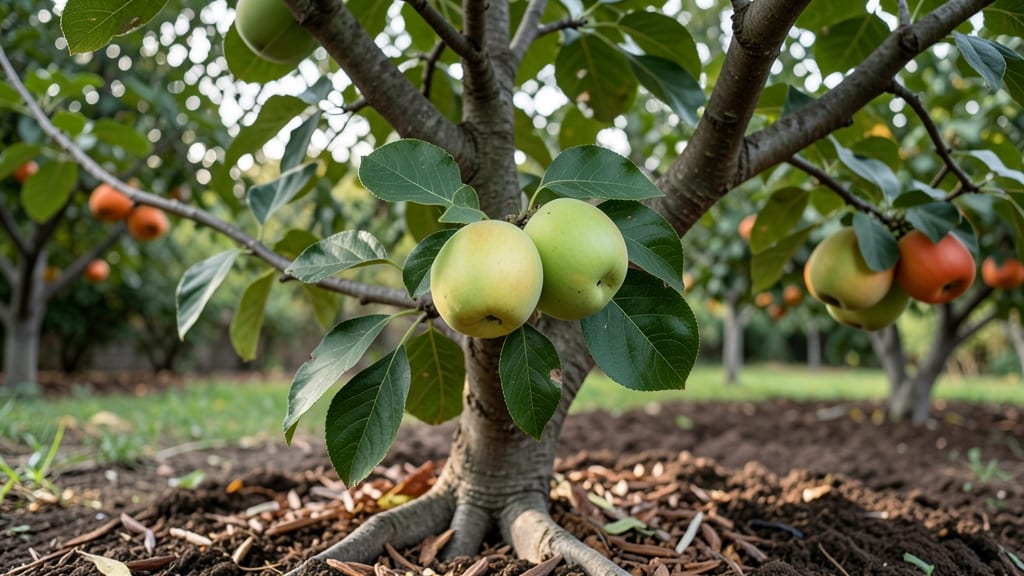
Your persimmon tree’s unripe fruit might be begging for a good pruning session—just not the kind you think. 🌿 The issue often boils down to too much shade, overcrowded branches, or last year’s growth hogging energy.
I’ve watched trees go from sad, green persimmons to sweet, sun-ripened fruit simply by opening up the canopy and focusing on strong branches.
First, check your tree’s sunlight: persimmons need 6-8 hours of direct sun to ripen properly. Thin out crossing branches and remove any dead or weak wood—this boosts airflow and lets sunlight reach the fruit.
I prune in late winter or early spring (before buds swell) to avoid stressing the tree during growing season.
You’ll see the difference by summer: fruit will start coloring up properly, and the tree will focus energy on ripening instead of maintaining dense foliage. For edible varieties, wait until the fruit softens and turns deep orange—then enjoy that sweet, jelly-like reward you’ve earned.
Works for both Fuyu and Hachiya types, though Hachiya needs more patience (they ripen off the tree). If pests or disease are the real culprits, we’ll tackle that next—but pruning is your first line of defense for juicy success.
What Triggers Unripe Persimmons
Unripe persimmons can be frustrating—especially when you’re eager for that sweet, velvety harvest. But understanding the root causes helps you take control. Here’s why your persimmons might be staying stubbornly unripe, broken down by the key factors at play.
Persimmon trees, especially cold-hardy varieties like American persimmons (Diospyros virginiana), require a specific number of chill hours (temperatures between 32–45°F) to trigger fruit maturation. If your region doesn’t meet this threshold—or if winter was unusually warm—your tree may skip the ripening process entirely.
- How it works: Chill hours signal the tree to transition from vegetative growth to fruit development.
Without enough cold exposure, the tree stays in "growth mode," delaying sugar accumulation and color change. - Actionable fix: - Check your USDA Hardiness Zone and match it with your persimmon variety’s chill requirements (e.g., Diospyros kaki needs 200–600 chill hours; D. virginiana thrives with 500–1,000). - If your area is marginal, consider winter chill substitutes like: - Artificial chilling (store potted trees in a cold garage for 4–6 weeks in late fall). - Choosing low-chill varieties (e.g., ‘Fuyu’ or ‘Hachiya’ for warmer climates).
Persimmons are not self-pollinating—they rely on bees, wind, or cross-pollination between trees. If flowers aren’t pollinated properly, fruits may form but fail to ripen due to underdeveloped ovaries or aborted seeds.
- How it works:
- Incomplete pollination → Small, hard fruits with poor sugar development.
- Late-season heat waves can kill pollinators (like bees), reducing fruit set.
- Over-pruning (removing too many flowering branches) limits pollinator access.
- Actionable fix:
- Plant two compatible varieties (e.g., ‘Hachiya’ + ‘Fuyu’) within 50–100 feet of each other.
- Hand-pollinate in early spring by transferring pollen with a paintbrush if bees are scarce.
- Avoid heavy nitrogen fertilizer in spring—it encourages leafy growth over flowers.
Persimmons need consistent warmth during fruit development, but extreme heat or water stress can derail ripening. High temperatures (above 95°F) disrupt photosynthesis and sugar transport, while drought causes the tree to prioritize survival over fruit maturation.
- How it works:
- Heat stress → Fruits stay firm, astringent, and underripe.
- Drought → Leaves curl, growth stalls, and ethylene production (the hormone that triggers ripening) is delayed.
- Actionable fix:
- Mulch heavily (3–4 inches of wood chips) to retain soil moisture and regulate temperature.
- Deep water weekly (1–1.5 inches) during fruit set (late spring) and growth (summer).
- Provide afternoon shade in extreme climates with light shade cloth (30–50% coverage).
Fruit ripening is a nutrient-dependent process, and imbalances—whether from over-fertilization or deficiencies—can stall maturation.
| Nutrient Issue | Symptom in Fruit | Solution |
|---|---|---|
| Excess Nitrogen | Small, hard, slow to ripen | Switch to a balanced 10-10-10 or low-N fertilizer in summer. |
| Potassium Deficiency | Poor color, mealy texture | Apply potassium sulfate or wood ash in early summer. |
| Calcium Deficiency | Blossom end rot, cracked fruit | Use lime (calcium carbonate) in early spring or calcium nitrate. |
| Magnesium Deficiency | Yellowing leaves, stunted growth | Apply Epsom salt (magnesium sulfate) every 2 months during growing season. |
Fungal infections (like anthracnose or powdery mildew) and pests (such as persimmon borers or aphids) can divert the tree’s energy away from fruit development, leaving persimmons small, hard, and unripe.
- How it works:
- Fungal diseases cause leaf drop, reducing photosynthesis and sugar production.
- Pests (e.g., scale insects) suck sap, weakening the tree and delaying ethylene synthesis.
- Actionable fix:
- Prune for airflow (remove dense branches to prevent humidity buildup).
- Spray copper fungicide (for anthracnose) or neem oil (for pests) in early spring and after rain.
- Inspect for borers—look for sawdust-like frass at branch junctions and treat with systemic insecticide.
Young persimmon trees (under 3–5 years) often produce small, unripe fruit because their energy is focused on root and canopy growth. Conversely, aggressive pruning (especially in late winter) can delay flowering and fruit set.
- How it works:
- Too much pruning → Fewer flowers → Less fruit → Underdeveloped persimmons.
- Old, unproductive wood (over 10 years) may not support ripe fruit.
- Actionable fix:
- Avoid heavy pruning in winter—stick to light shaping in late winter/early spring.
- Thin out excess fruit in early summer (leave 1 fruit per 6–12 inches of branch) to ensure size and ripeness.
- Replace old trees if they consistently produce poor-quality fruit.
Fixing Unripe Persimmon Fruit Fast
Now that you understand why your persimmons might be staying unripe, let’s tackle the fixes—practical, step-by-step solutions to coax those fruits into ripening safely. Whether it’s environmental factors, tree health, or pruning mistakes, here’s how to turn things around before your next harvest.
Problem: Shady spots on the tree delay ripening by slowing sugar production. Fix:
- Prune strategically 🔪⏰: Remove up to 20% of the tree’s branches, focusing on:
- Overlapping or crossing branches (they block light).
- Dead or diseased wood (they drain energy).
- Suckers at the base (they compete for nutrients).
- Thin the canopy 🌿: Aim for an open, airy structure—6–8 feet between main branches—to let sunlight reach inner fruit.
- Time it right ⏳: Prune late winter or early spring (before buds swell) to avoid stressing the tree during fruit development.
Prevention Tip: 💡 Plant persimmons in full sun (6+ hours/day) and avoid dense hedges or tall shade trees nearby.
Problem: Chilly nights or late springs stall ripening by reducing enzyme activity. Fix:
- Extend the growing season 🌡️:
- Mulch heavily (3–4 inches of wood chips) to insulate roots and warm soil.
- Use row covers (lightweight fabric) on young trees if frost threatens after flowering.
- Choose cold-hardy varieties ❄️: Opt for ‘Fuyu’ (non-astringent) or ‘Hachiya’ (astringent)—both tolerate cooler climates better than tropical types.
- Harvest slightly early 🍎: Pick firm, orange fruit in late fall (even if not fully ripe) and ripen indoors in a paper bag with a banana (ethylene gas speeds it up).
Pro Tip: 🌡️ Monitor your last frost date—persimmons need 120–180 frost-free days to mature. If your season is short, pick early and ripen artificially.
Problem: Too much or too little water throws off sugar development. Fix:
- Water deeply but infrequently 💦:
- 1–1.5 inches per week (drip irrigation is ideal).
- Avoid soggy soil—persimmons hate "wet feet." Ensure good drainage (raise beds if needed).
- Fertilize mid-season 🌱:
- Balanced 10-10-10 in early summer (when fruits form).
- Add potassium (banana peel tea or wood ash) to boost sweetness.
- Mulch to retain moisture 🌿: Use straw or shredded leaves (not fresh grass clippings, which mat down).
Warning: 🚨 Over-fertilizing with nitrogen (like lawn fertilizer) leads to leafy growth but small, sour fruit. Stick to low-nitrogen, high-potassium blends.
Problem: Aphids, borers, or fungal spots sap energy from developing fruit. Fix:
- Inspect leaves & branches 🔍:
- Yellowing leaves? → Aphids or spider mites (spray with neem oil or soapy water).
- Holes in bark? → Borers (remove infested branches and treat with beneficial nematodes).
- Black spots? → Anthracnose fungus (prune infected areas and apply copper fungicide).
- Encourage natural predators 🐞: Plant marigolds or dill nearby to attract ladybugs and lacewings.
- Preventive spraying 🛡️: Apply dormant oil in late winter to kill overwintering pests.
Prevention Tip: 💡 Clean up fallen leaves in autumn—fungal spores hibernate there!
Problem: Too many fruits compete for nutrients, staying small and hard. Fix:
- Thin aggressively 🍎🔪:
- Leave 1 fruit per 12–18 inches of branch (or 1–2 per cluster).
- Remove damaged, misshapen, or small fruit first.
- Time thinning ⏳:
- Early summer (when fruits are golf-ball sized).
- Repeat in late summer if new growth appears.
- Use sharp pruners ✂️: Cut just above a leaf node (not too close to the branch).
Why It Works: Fewer fruits = larger, sweeter, and riper persimmons by harvest time.
Final Reminder: 🎯 Patience is key—persimmons ripen off the tree (especially astringent types). If all else fails, pick early and ripen indoors with a little warmth and ethylene exposure. Your next harvest will be sweeter (and sunnier)!
Frequently asked questions
Why do my persimmon fruits stay hard and green even when others ripen?
This usually means your tree isn't getting enough sunlight (6+ hours daily) or chill hours (32–45°F) during winter. Persimmons need both to trigger sugar production. Check your tree's canopy—if branches overlap, prune to open it up. Also verify your USDA zone matches your variety's chill requirements.
Can I force unripe persimmons to ripen indoors?
Yes! For Hachiya varieties, pick firm orange fruit and store in a paper bag with a banana (ethylene gas speeds ripening). Keep at room temperature for 1–2 weeks. Fuyu persimmons can be eaten firm—they're non-astringent even when unripe. Avoid refrigeration until fully ripe.
How do I know if my persimmon tree needs more pruning?
Look for crossing branches, dead wood, or dense clusters blocking sunlight. Prune in late winter to remove up to 20% of branches, focusing on suckers and water sprouts. Thin the canopy to 6–8 feet between main branches—this improves airflow and sunlight penetration for fruit development.
What's the difference between astringent and non-astringent persimmons?
Astringent types (like Hachiya) must be fully soft before eating—they're bitter when firm. Non-astringent types (like Fuyu) can be eaten firm and crisp. The key difference is in their tannin content. If you're struggling with ripening, non-astringent varieties are more forgiving for beginners.
Are my unripe persimmons safe to eat?
Only Fuyu persimmons are safe to eat firm—they're the only non-astringent variety. Hachiya persimmons are toxic when unripe due to high tannins. If you must eat unripe fruit, stick to Fuyu varieties or wait until they're fully soft and deep orange. For Hachiya, always ripen indoors first.