
Pruning
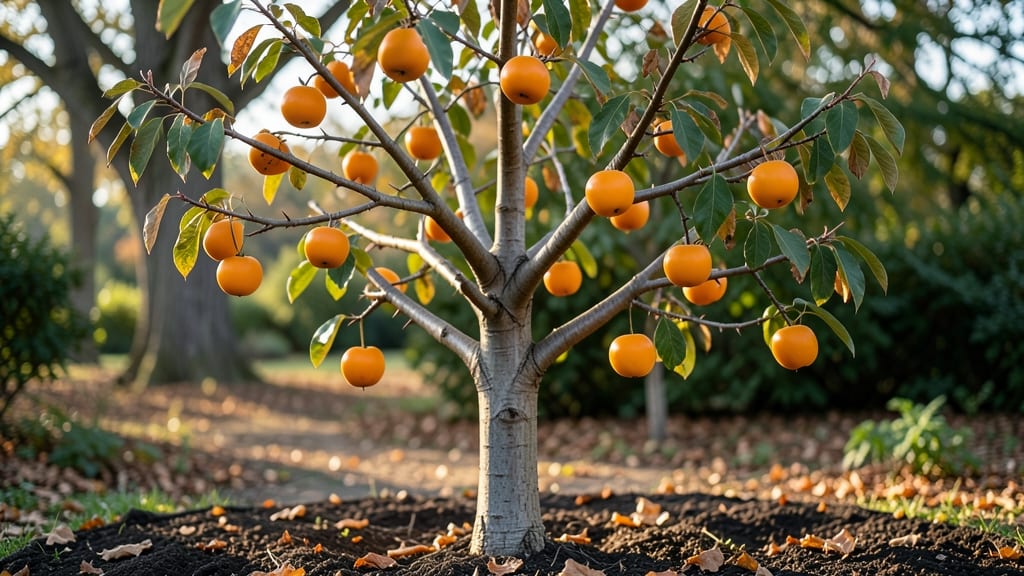
Persimmon trees thrive in North Carolina’s climate, where native American persimmons (Diospyros virginiana) and Asian varieties like Fuyu or Hachiya flourish in zones 6-9. Plant them in well-drained soil with full sun exposure, prune regularly for airflow, and harvest the fruit in fall when fully ripe for their signature sweet, custard-like texture—never pick unripe fruit, as it remains bitter and astringent.
North Carolina's warm summers and mild winters create perfect conditions for persimmon trees, especially for the hardy native American variety. 🌳 These trees have evolved to handle the state's humidity and occasional drought, making them low-maintenance once established.
Asian persimmons like Fuyu and Hachiya, while slightly less cold-hardy, offer earlier fruiting and sweeter flavors when properly cared for. The key to success lies in planting during early spring when the soil is workable but frost risk has passed—this gives roots time to establish before summer heat arrives.
Proper pruning is essential to prevent disease and maximize fruit production. I recommend removing any crossing branches or dead wood in late winter, before new growth begins. 🌿 This not only improves airflow but also redirects the tree's energy toward fruit development.
For best results, space trees about 20-30 feet apart to allow for proper sunlight penetration and future growth. North Carolina's climate also means you'll need to watch for common pests like persimmon borers, which can be prevented with regular inspections and proper watering practices.
💡 In This Article
- North Carolina Persimmon Tree Climate Adaptations
- Planting and Care Guide for NC Persimmons
North Carolina persimmon tree climate adaptations
North Carolina's climate—characterized by hot, humid summers and mild winters—actually works in persimmon trees' favor, especially for the native American variety. These trees have evolved to handle the state's high humidity through their thick, leathery leaves that minimize water loss while maintaining photosynthesis efficiency.
The deep root systems of native persimmons also allow them to tap into underground moisture, making them surprisingly drought-tolerant once established. 🌳 In contrast, Asian varieties like Fuyu and Hachiya require slightly more consistent moisture but reward growers with earlier and more abundant fruit production.
The key difference lies in their cold hardiness: native American persimmons can withstand temperatures down to -25°F, while Asian varieties typically handle only 10-15°F of cold. This means native persimmons thrive across all of North Carolina's climate zones (6-9), while Asian varieties are best suited for zones 7-9.
The native species also handles late spring frosts better, as their flowers bloom later in the season when frost risk has typically passed.
What's fascinating is how these trees manage seasonal shifts—their leaves turn stunning shades of orange and red in fall, which is both a survival adaptation and a visual treat for gardeners.
Humidity plays a crucial role in fruit development too. The high moisture levels in North Carolina's air help persimmons develop their signature sweetness, but they also create ideal conditions for fungal diseases like anthracnose.
This is why proper spacing and airflow through pruning become essential—persimmons need good air circulation to prevent moisture buildup on leaves and fruit.
The native variety's natural resistance to many local pests gives it an advantage in NC's ecosystem, while Asian varieties may require more vigilant pest monitoring, particularly for scale insects and borers that thrive in humid conditions.
What most gardeners don't realize is how persimmon trees time their growth cycles with North Carolina's seasonal patterns. They begin active growth in early spring when soil temperatures reach 60°F, perfectly aligning with the state's typical warming trends.
The trees then enter a period of rapid fruit development during summer's peak heat, which actually enhances sugar accumulation in the fruit. This natural synchronization means persimmons in NC often ripen earlier than in cooler northern regions, giving you a head start on harvest season.
For those considering Asian varieties, the trade-off is worth noting: while they require slightly more care, their fruit ripens on the tree (unlike native persimmons which must soften completely before eating), and they offer that coveted custard-like texture when fully ripe.
The Fuyu variety, in particular, has become popular in NC because it can be eaten firm when ripe—no waiting for the fruit to become mushy!
This adaptation to the region's climate patterns makes both native and Asian persimmons excellent choices for North Carolina gardens, each with their own unique advantages to offer.