
Pruning
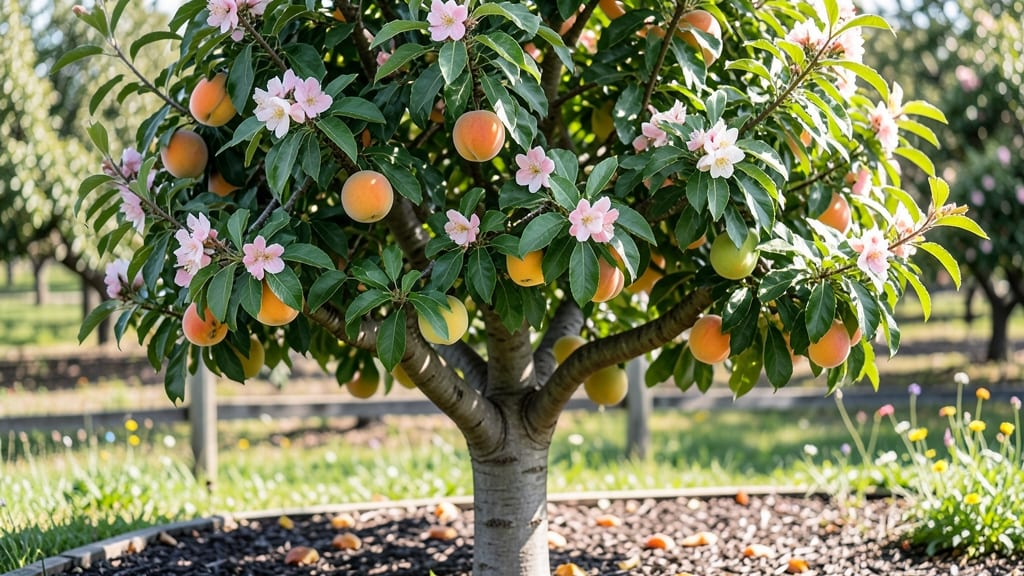
Pruning your peach tree in Vancouver isn’t just about shaping—it’s about surviving our damp winters and unpredictable springs. 🌿 I’ve learned the hard way that timing matters more here than anywhere else, where peach leaf curl thrives in our rainy season and frost can sneak in even in May.
The right cuts now mean fewer fungal battles and bigger harvests by summer.
Start with the basics: sharp pruners, a clean workspace, and a clear goal—whether it’s opening the center for airflow or training branches to avoid storm damage. Vancouver’s coastal climate means you’ll focus on late winter to early spring pruning, right after the worst of the rain but before buds swell.
Think of it as giving your tree a fresh start before the growing season kicks in.
You’ll end up with a tree that produces juicier, more abundant fruit while staying healthier through our wet seasons. The key is removing dead wood first, then thinning out crowded branches to let sunlight and air circulate—critical for preventing fungal diseases that love our damp air.
By summer, your tree will look like it’s been professionally cared for, not just hacked at.
Works for both backyard orchards and container-grown trees on patios. Urban gardeners, take note: smaller trees need even more attention to branch structure, as they’re more vulnerable to wind damage. Let’s get those pruners ready—your peaches will thank you.
📚 In This Guide
- What you need
- Instructions
- Tips and common mistakes
- Wrapping up and next steps
What you need
- ● Pruning shears (bypass or anvil type): Sharp, clean, and disinfected (use rubbing alcohol or a 10% bleach solution). Choose a pair with 4- to 6-inch blades for precision.
- ● Loppers: For thicker branches (½ to 1½ inches in diameter). Opt for bypass loppers for cleaner cuts.
- ● Pruning saw: For branches thicker than 1½ inches. A bow saw or folding pruning saw works best.
- ● Gloves: Heavy-duty, cut-resistant gloves to protect your hands from thorns and sharp tools.
- ● Ladder or step stool: If your tree is taller than 6 feet, ensure it’s stable and safe to use.
- ○ Disinfectant (optional but recommended): A 10% bleach solution (1 part bleach to 9 parts water) or rubbing alcohol (70% isopropyl) to sterilize tools between cuts and prevent disease spread.
- ○ Pruning sealant (optional): For larger cuts (over ½ inch in diameter), use a tree wound sealant to protect against pests and disease.
- ● Trash bags or bucket: To collect pruned branches and debris.
- ● Timing: Prune your peach tree in late winter or early spring (February–March) in Vancouver’s climate. Avoid pruning during active growth or fruit-bearing season.
- ● Weather: Choose a dry, calm day to minimize stress on the tree and reduce the risk of spreading disease.
- ● Safety gear: Wear long sleeves and pants to protect against thorns and scratches.
- ● Tree health check: Inspect your tree for signs of disease (e.g., brown spots, oozing sap) or pests (e.g., aphids, borers) before pruning.
- ● 💡 Sterilize tools after each cut! Vancouver’s damp climate can spread fungal diseases quickly—keep your tools clean to keep your tree healthy.
- ● 🌡️ Watch for late frosts. If pruning in early spring, delay until after the last frost date (typically mid-March in Vancouver).
- ● 🎯 Thin out, don’t just top! Avoid heading back (cutting back to a bud or lateral branch)—focus on removing dead, diseased, or crossing branches to improve airflow.
Step-by-Step instructions for pruning your peach tree in Vancouver
Here’s the seasonal approach I’ve used for years to keep peach trees thriving in Vancouver’s mild, wet climate.
✂️ Step 1: Late Winter Pruning (January-February)
This is the most critical time—prune while the tree is dormant but before buds swell. Vancouver’s winter chill helps prevent silver leaf disease, so timing matters. Start by removing any dead, diseased, or crossing branches first—they’re easy to spot when the tree is bare. Use sharp pruners to make clean cuts just outside the branch collar (the swollen area where the branch meets the trunk).
Next, thin out about 20% of the tree’s total branches to improve airflow and sunlight penetration. Focus on branches growing inward or rubbing against others. I always step back every few cuts to visualize the tree’s shape—you want an open center with light reaching all the way to the ground. Avoid heavy pruning in wet weather; Vancouver’s damp winters can invite fungal infections.
🌿 Step 2: Light Summer Pruning (June-July)
After the tree finishes flowering but before fruit sets, do a quick check for suckers (shoots growing from the base or trunk) and water sprouts (fast-growing vertical shoots). These compete with fruit production. Snip them off at the base with clean pruners—no need for fancy techniques here, just remove what’s unnecessary.
If you notice any branches with signs of peach leaf curl (puckered, curled leaves), prune those immediately and sterilize your tools with rubbing alcohol. Remove only the affected branches, not the whole tree—peach trees are resilient. This light summer trim keeps the tree focused on fruit rather than foliage growth.
✂️ Step 3: Post-Harvest Cleanup (Late August-September)
Once you’ve harvested your peaches, it’s time for a final trim to prep for winter. Remove any deadheading (spent fruit clusters) and weak growth that didn’t contribute to the harvest. Thin out crowded branches to prevent overproduction next year—too many peaches lead to small, poor-quality fruit.
This is also when I check for scaffold branches (the main structural limbs). If any are weak or crossing, make the cuts now. Vancouver’s wind can stress trees, so reinforcing the structure early helps. After pruning, rake up and dispose of all debris—it’s a common hiding spot for pests and diseases.
🌱 Step 4: Winter Protection (November-December)
While not a pruning step, this is where you set up the tree for next year’s success. Wrap the trunk with tree wrap (available at garden centers) to protect it from sunscald and rodents. If you’re in a particularly cold microclimate, consider a lightweight burlap wrap around the canopy to shield from heavy winter rains.
I also apply a 2-3 inch layer of mulch around the base (but not touching the trunk) to insulate roots. This keeps the soil temperature stable and reduces winter dieback. Avoid over-mulching—too much can suffocate roots. A quick check for any remaining dead branches in late winter (before buds swell) wraps up the season.
Tips & tricks for perfect peach tree trimming in Vancouver
Between us, Vancouver’s unique climate makes pruning peach trees a game-changer for fruit quality. Here’s what I’ve learned after years of trial and error.
Timing is Everything: In Step 1, prune during January-February while the tree is dormant but before buds swell. This timing prevents silver leaf disease and ensures you’re not cutting into next year’s growth. If you miss this window, you risk stressing the tree—especially in Vancouver’s damp winters. I’ve seen trees recover from late pruning, but they never produce as well.
Tool Prep Matters: Before you start Step 2 or Step 3, sterilize your pruners with rubbing alcohol. This isn’t just for peach leaf curl—it prevents spreading diseases between cuts. I keep a small bottle of alcohol in my tool belt when working on multiple trees. Also, always make clean cuts just outside the branch collar; jagged cuts heal poorly and invite infections, especially in Vancouver’s rainy climate.
Visualize the Tree’s Shape: After removing the 20% of branches in Step 1, step back and visualize the tree’s structure. You want an open center with light reaching the ground—this prevents fungal issues from poor airflow. I sketch a rough outline on paper first to plan my cuts. In Vancouver’s dense gardens, this open structure also helps prevent wind damage from our coastal breezes.
Post-Pruning Cleanup: In Step 3, rake up and dispose of all debris immediately after pruning. I’ve seen too many gardeners leave pruned branches on the ground, only to have pests and diseases move right in. Burn or compost the debris—don’t leave it in your yard. This final cleanup is just as important as the pruning itself for long-term tree health.
Pro Tips for Peach Tree Vancouver
- Between us, Vancouver’s unique climate makes pruning peach trees a game-changer for fruit quality. Here’s what I’ve l...
- Timing is Everything: In Step 1, prune during January-February while the tree is dormant but before buds swell. This ...
- Tool Prep Matters: Before you start Step 2 or Step 3, sterilize your pruners with rubbing alcohol. This isn’t just fo...
Frequently asked questions
When is the best time to prune a peach tree in Vancouver?
Prune your peach tree late winter to early spring (February–March), just before buds swell but before new growth starts. This timing promotes strong spring growth and reduces disease risk. Avoid pruning in fall—it can leave wounds vulnerable to fungal infections in Vancouver’s damp climate.
Can I prune a peach tree in winter if it’s still cold?
Yes, but wait until after the worst frost (typically late January–February in Vancouver). Pruning too early in freezing temps can stress the tree. If you must prune in mild winter days, do so on a dry, sunny day to help wounds heal faster.
What if my peach tree has dead or diseased branches? Should I prune those now?
Remove dead, diseased, or crossing branches anytime—even outside the main pruning season. Sterilize your tools with rubbing alcohol between cuts to prevent spreading fungal diseases like brown rot, common in Vancouver’s wet springs. Bag and dispose of infected branches immediately.
Will pruning reduce my peach harvest?
Not if done correctly! Proper pruning increases fruit quality and yield by improving airflow and sunlight penetration. Focus on removing suckers, water sprouts, and overcrowded branches—this directs energy to fruit production. Over-pruning (removing >25% of foliage) may temporarily reduce harvests, but follow our Vancouver-specific schedule to avoid this.
How do I prune a peach tree in Vancouver’s rainy season?
Vancouver’s wet springs can slow wound healing, so prune on dry days and use a sealant (like pruning paint) on cuts larger than ½ inch to prevent rot. Avoid pruning during heavy rain—wait for a stretch of dry weather. Also, thin out dense canopies to reduce humidity trapped in the foliage.
What if I missed the ideal pruning window? Can I still prune?
Yes! While late winter/early spring is ideal, you can lightly prune in summer (June–July) to remove only dead wood or suckers. Avoid heavy summer pruning—it stresses the tree and invites pests. If you’re far behind, focus on structural cleanup and leave detailed pruning for next winter.
Pro Tip:
Mark your calendar for February 15–March 15 as your Vancouver peach tree pruning window. Set a reminder to check for peach leaf curl (a fungal disease) after pruning—treat with copper fungicide if needed!
Wrapping up and next steps
Growing a thriving peach tree in Vancouver’s unique climate is totally doable with the right pruning know-how! By following this seasonal schedule—from late winter dormancy to summer cleanup—you’ll encourage lush fruit production, better airflow, and a healthier tree for years to come. 🌱
Ready to roll up your sleeves? Start by marking your calendar for January–February and tackle that first round of pruning with confidence. And if you’re new to it, grab a friend, some sharp tools, and enjoy the process—your future peach harvests will thank you! 🍑✨
- Next step: Gather your tools and schedule your first pruning session before Vancouver’s rainy season kicks in!