
Pruning
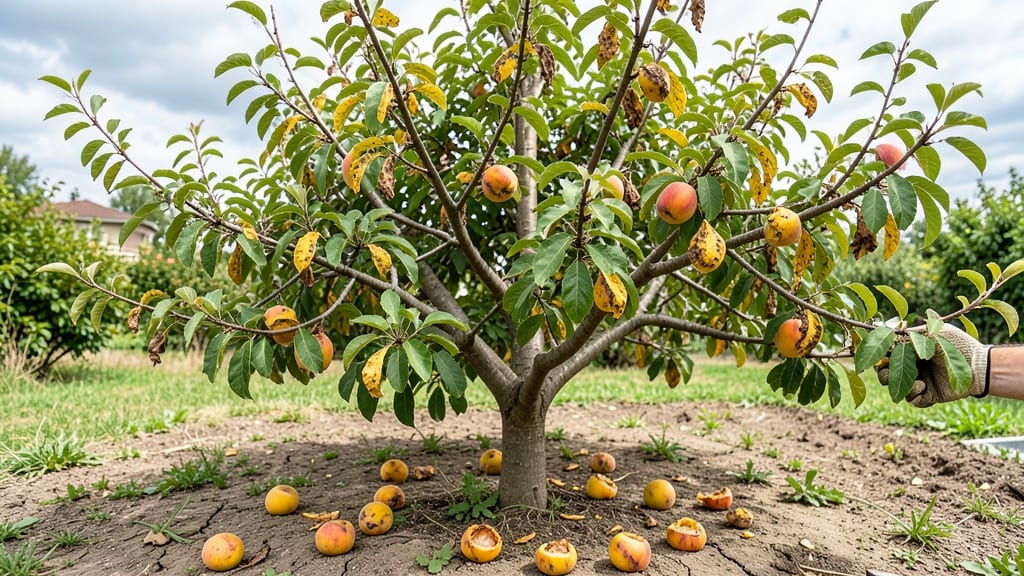
Your peach tree dropping fruit isn’t a death sentence—it’s a wake-up call. 🌱 After years of watching trees struggle with this exact problem, I’ve narrowed it down to three pruning fixes that actually work, whether your tree is fighting pests, drought, or poor structure.
The key? Timing, technique, and a little detective work to spot the real culprit.
Most gardeners blame drought or pests first, but the real villain is often over-thinning branches or poor air circulation—both of which invite fungal diseases like brown rot. I’ve seen trees recover in just 4-6 weeks after a single pruning session that opens up the canopy and removes weak wood.
The goal isn’t just to save fruit; it’s to set your tree up for a heavier harvest next year.
Start by removing suckers and watersprouts (those fast-growing, weak stems) first—they drain energy from fruit production. Then, thin out crowded branches to let sunlight reach the center. This isn’t about drastic cuts; it’s about strategic shaping.
A well-pruned tree will hold onto its fruit, and the remaining blooms will develop into sweeter, larger peaches.
If pests like peach tree borers are the issue, combine pruning with neem oil sprays in early spring. The tree’s natural defenses kick in faster when it’s not fighting for survival.
Early intervention is everything—don’t wait until the ground is littered with fallen fruit. Let’s turn this around before next season.
Root Causes Behind Premature Fruit Drop
Understanding why your peach tree is dropping fruit before harvest is the first step to saving your crop. These issues often stem from environmental stress, physiological imbalances, or poor cultural practices.
Below, we break down the most common culprits—and why they trigger fruit loss—so you can address the problem at its source.
Peach trees are sensitive to temperature swings, especially during bloom and early fruit set (late spring to early summer). Sudden cold snaps, heatwaves, or frost can disrupt pollination and fruit development, leading to drop.
- Late Frost Damage 🥶: Peach blossoms are highly frost-sensitive (damage occurs below 28°F/-2°C). If frost hits during bloom, pollinators (bees, wind) can’t transfer pollen, causing shatter (premature fruit drop within days). Even if flowers survive, poor fruit set weakens remaining fruit, making them more prone to dropping later.
- Heat Stress & Sun Scald: Temperatures above 95°F (35°C) during fruit development can cause sunburn (brown, leathery patches on fruit) and physiological disorders like brown heart (internal browning). Affected fruit often detaches prematurely or fails to ripen properly.
- Drought or Overwatering: Peach trees need consistent moisture (1–1.5 inches per week). Drought stress causes fruit to abscise (drop) as the tree prioritizes root survival. Conversely, waterlogged soil (from overwatering or poor drainage) starves roots of oxygen, weakening the tree’s ability to support fruit.
Peaches are self-pollinating but inefficient—they rely on bees, wind, or human intervention to transfer pollen. If pollination is poor, the tree aborts weak fruit to conserve energy.
- Lack of Pollinators 🐝: If your tree isn’t near other peach varieties (or lacks bee activity), incomplete pollination leads to small, deformed fruit that drops early. Solution: Hand-pollinate with a soft brush or plant a compatible pollinator variety (e.g., ‘Elberta’ pairs well with ‘Redhaven’).
- Environmental Pollination Barriers:
- Rain during bloom washes away pollen.
- Strong winds can physically shatter blossoms before fertilization.
- Pesticide use (even organic sprays) can kill bees or repel them.
- Physiological Drop (June Drop) 🍑➡️🌬️: A natural process 4–8 weeks after bloom, where the tree sheds excess fruit to focus energy on larger, healthier remaining fruit.
While normal, severe drop (losing >50% of fruit) may signal nutrient deficiency (especially boron or zinc) or over-thinning by the grower.
Peach trees are heavy feeders, and nutrient imbalances directly impact fruit retention. The most critical deficiencies for premature drop include:
| Nutrient | Symptoms | Why It Causes Drop |
|---|---|---|
| Boron (B) | Small, cracked fruit; internal browning | Boron is essential for cell wall strength—deficiency leads to weak fruit that splits and drops. |
| Zinc (Zn) | Stunted growth; small, deformed leaves | Zinc aids auxin production (a growth hormone); deficiency causes poor fruit development. |
| Potassium (K) | Yellowing leaf edges; weak stems | Potassium regulates water and nutrient transport—low levels cause fruit shriveling and drop. |
| Nitrogen (N) | Yellowing lower leaves | While nitrogen fuels growth, excess leads to soft, watery fruit prone to disease and drop. |
- Soil pH Matters: Peaches thrive in slightly acidic soil (pH 6.0–6.5). High pH (alkaline soil) locks out micronutrients like iron and manganese, causing chlorosis (yellow leaves) and weak fruit retention.
Hidden pests and pathogens can weaken fruit or trigger abscission (the natural dropping process). Watch for:
- Peach Tree Borers 🪲: Larvae girdle roots and trunk, starving the tree of water/nutrients. Fruit wilts, shrivels, and drops.
- **Brown Rot (Monilinia fructicola) 🍄: Fungal spores infect blossoms and fruit, causing mummified fruit that falls prematurely. Prevention: Remove mummified fruit in winter and spray copper fungicide at bloom.
- Aphids & Scale Insects 🐜: These sap-sucking pests stress the tree, reducing its ability to support fruit. Heavy infestations lead to stunted growth and premature drop.
- Bird & Mammal Damage: Crows, raccoons, and squirrels may peck at soft, unripe fruit, causing physical trauma that triggers abscission.
Sometimes, the tree itself is the problem. Overbearing (too much fruit) or structural issues can lead to premature drop.
- Overloaded Branches 🍑🌳: If a tree sets more fruit than it can support, branches bend excessively, break, or the tree abscises fruit to lighten the load. Solution: Thin fruit during June drop to 1 fruit per 6–8 inches of branch.
- Root Restriction 🌱🔗: Compacted soil or roots hitting underground obstacles (like sidewalks) limit water/nutrient uptake, causing weak fruit retention.
- Sunburn or Hail Damage ☀️⚡: Exposed fruit (especially on southern sides of the tree) can scorch in hot sun, leading to premature drop. Hail causes physical trauma, triggering abscission hormones.
Before diving into pruning (covered later!), try these immediate remedies to stabilize fruit retention:
- Check soil moisture—water deeply if dry (but avoid soggy soil).
- Inspect for pests—spray neem oil for aphids or Bt (Bacillus thuringiensis) for caterpillars.
- Hand-pollinate if bees are scarce (use a paintbrush to transfer pollen).
- Apply a balanced fertilizer (10-10-10) with micronutrients** if leaves show deficiency signs.
Revive Your Tree with These Fixes
When your peach tree starts dropping fruit prematurely, it’s often a sign that something needs adjustment—whether it’s overcrowding, improper pruning, or environmental stress. The good news?
Most issues have simple, actionable solutions. Below, we’ll break down the most common causes and practical fixes to help your tree retain its harvest and thrive.
Cause: Poor airflow or excessive shade from overgrown branches can lead to disease, pest infestations, and fruit drop.
How to Fix It: 🔥 Step 1: Assess the Canopy
- Look for branches that overlap or grow too densely. These create dark, humid pockets where fungi (like brown rot) and pests thrive.
- Use a sharp pruning saw (for thick branches) or hand pruners (for smaller limbs) to remove crossing or inward-growing branches.
🍳 Step 2: Thin Out the Branches - Aim to open up the center of the tree so sunlight reaches the inner fruit.
Remove 1/3 of the smallest, weakest branches first. - Pro Tip: Cut just outside the branch collar (the swollen area where the branch meets the trunk) to prevent infection.
👨🍳 Step 3: Shape for Efficiency
- Peach trees benefit from an open-center or vase shape. This allows better airflow and easier harvesting.
- When to Prune: Late winter or early spring (before buds swell) is ideal. Avoid heavy pruning in summer, as it can stress the tree.
🌡️ Prevention Tip:
- Monitor for water sprouts (fast-growing vertical shoots) and prune them immediately—they steal energy from fruit production.
Cause: Overwatering, underwatering, or nutrient deficiencies (like nitrogen or potassium) can cause fruit to drop early.
How to Fix It: 💡 Step 1: Check Soil Moisture
- Stick your finger 2-3 inches into the soil. If it’s soggy, your tree is overwatered; if dry, it needs more.
- Water deeply but infrequently—peach trees prefer 1-2 inches of water per week (more in extreme heat).
📊 Step 2: Fertilize Correctly
- Spring: Apply a balanced fertilizer (10-10-10) to encourage new growth.
- Summer (if needed): Use a potassium-rich fertilizer (like 0-0-50) to strengthen fruit retention.
- Avoid over-fertilizing—too much nitrogen leads to leafy growth at the expense of fruit.
🥗 Step 3: Mulch Properly
- Spread 2-3 inches of organic mulch (wood chips or straw) around the base (but not touching the trunk).
- This retains moisture, regulates soil temperature, and reduces competition from weeds.
🎯 Prevention Tip:
- Test your soil every 2-3 years to check pH (peaches prefer 6.0-6.5). Adjust with lime (to raise pH) or sulfur (to lower it) if needed.
Cause: Insects (like aphids or peach tree borers) and diseases (such as bacterial spot or brown rot) can weaken the tree, causing fruit to drop.
How to Fix It: ✨ Step 1: Inspect for Pests
- Common culprits:
- Aphids (tiny green/black bugs on new growth)
- Peach tree borers (sawdust-like frass near the trunk)
- Japanese beetles (skeletonized leaves)
- Solution: Spray with neem oil (for aphids) or horticultural oil (for borers). For severe infestations, use systemic insecticides like imidacloprid (follow label instructions).
🔪 Step 2: Treat Fungal Diseases
- Brown rot (gray mold on fruit) and bacterial spot (dark spots on leaves) thrive in wet conditions.
- Prevent with:
- Copper fungicide (for bacterial spot)
- Removing dropped fruit (to prevent spore spread)
- Thinning branches (to improve airflow)
⏰ Step 3: Time Sprays Right
- Apply pre-bloom sprays (dormant season) and post-bloom sprays (after petal fall) for best protection.
- Pro Tip: Water trees early in the day to let foliage dry quickly, reducing fungal growth.
🌟 Prevention Tip:
- Clean up debris in fall—burn or compost fallen leaves/fruit to eliminate overwintering pests and pathogens.
Final Thought: With the right pruning, watering, and pest control, your peach tree can go from dropping fruit to bearing a bountiful harvest. Start with one fix (like pruning or pest control) and monitor progress—your tree will thank you with juicy, homegrown peaches! 🍑🌟
Frequently asked questions
Why does my peach tree drop fruit even when it looks healthy?
Even healthy trees drop fruit due to natural processes like June drop (4-8 weeks after bloom), where the tree sheds excess fruit to focus energy on stronger remaining ones. However, if you're seeing >50% drop, check for hidden issues like nutrient deficiencies (especially boron or zinc) or poor pollination from lack of bees or rain washing away pollen.
Can I save fruit that's already fallen? Or is it too late?
If the fruit is still firm and unbruised, you can often save it! Place it in a paper bag with a ripe apple (to release ethylene gas) and store at 32-40°F for 1-2 weeks. Avoid washing until ready to eat. For next year, focus on preventing drop by improving airflow and pest control during bloom.
Is it normal for peach trees to drop fruit after a heavy rain?
Yes, but it depends on timing. Rain during bloom can wash away pollen, causing poor fruit set. Rain during fruit development (30+ days after bloom) may cause splitting or rot from fungal spores. To help, thin branches for better drainage and apply copper fungicide before wet seasons.
How do I know if my tree is dropping fruit because of pests vs. disease?
Look for these clues: Pests (like borers or aphids) often leave visible damage—sawdust-like frass, holes, or sticky honeydew. Diseases (like brown rot) show moldy spots or mummified fruit. Check the undersides of leaves for pests or fruit surfaces for fungal growth. Treat pests with neem oil and diseases with copper sprays.