
Pruning
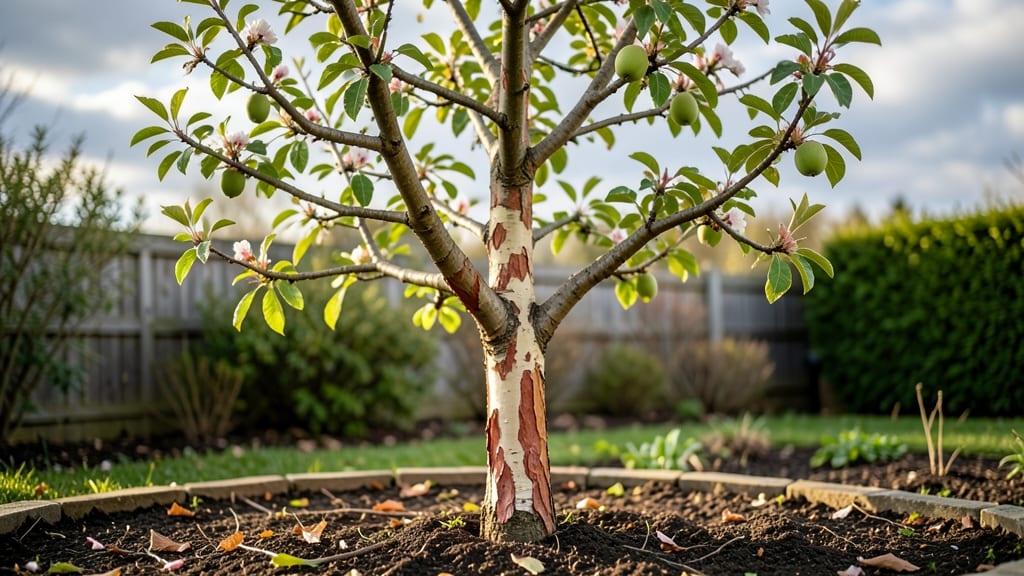
Peach tree bark peeling can turn your tree into a sad, sunburned mess if you ignore it. 🌳 The good news? With the right approach, you can restore that smooth, healthy bark and keep your tree thriving for years.
I’ve seen peach trees go from ragged and stressed to proud, productive specimens in just one growing season—here’s how.
The problem usually starts with environmental stress—too much sun, drought, or winter damage—but pests like aphids or diseases like bacterial leaf spot can make it worse. Peeling bark isn’t always a death sentence, though.
The key is acting fast: prune damaged areas, improve soil moisture, and protect the tree from further harm. I’ll walk you through the exact steps I use to revive peeling bark naturally.
You’ll end up with a tree that looks healthy, not half-dead. The bark will firm up, new growth will emerge, and your peach harvest will rebound faster than you’d expect.
The method works for both young trees and mature ones, as long as you catch it early. Let’s get your tree back to its best.
For severe cases, an arborist can help—but most peeling bark issues respond to basic care. Focus on consistent watering, mulching, and monitoring for pests. Prevention is easier than repair, so once you’ve fixed it, keep an eye out for early warning signs.
Your tree will thank you with better fruit and a stronger structure.
Root Causes Of Bark Peeling
Peach tree bark peeling isn’t just cosmetic—it’s a cry for help from your tree. Understanding the why behind this issue is the first step to restoring your tree’s health.
Below, we break down the most common culprits, backed by science, so you can diagnose the problem accurately and take targeted action.
---
Peach trees, native to temperate climates, are sensitive to rapid temperature swings, especially between hot days and freezing nights. When bark peels in strips or patches, it’s often a sign of frost crack damage or sun scald—both triggered by thermal stress.
- How it happens: - Frost cracks form when water inside the bark freezes and expands, splitting the outer layers.
This is most common in winter or early spring, when daytime temperatures rise above freezing but nights plunge below 20°F (-6°C). - Sun scald occurs when bark is exposed to intense sunlight after cold winters.
The sun heats the outer layer faster than the underlying tissue, causing cells to die and peel.
- Actionable science: - Peach tree bark contains lenticels (porous tissues) that regulate gas exchange. When these are damaged by temperature shifts, the bark’s protective layer weakens, leading to peeling. - Solution: Apply a white tree wrap in late fall to reflect sunlight and insulate bark.
Avoid wrapping tightly—allow airflow to prevent moisture buildup.
---
Fungal infections like bark canker (Leucostoma spp.) or silver leaf fungus (Chondrostereum purpureum) can cause bark to darken, crack, and peel as the pathogen invades underlying tissues. These infections thrive in moist, stressed trees and are often misdiagnosed as environmental damage.
- How it happens: - Fungi enter through wounds, cracks, or lenticels, weakening the bark’s structure.
As the infection spreads, the bark dies and sloughs off, exposing the vulnerable cambium layer. - Silver leaf fungus, for example, clogs water-conducting vessels, leading to wilting leaves and peeling bark with a silvery sheen underneath.
- Actionable science: - Healthy bark has a pH balance that resists fungal growth.
When bark is damaged (e.g., by pruning cuts or hail), the tree’s defenses drop, inviting pathogens. - Solution: Prune in dry weather to minimize wounds, and apply a copper-based fungicide (like Bordeaux mixture) in early spring before fungal spores activate.
---
Insects like peach tree borers (Synanthedon exitiosa) or scale insects feed on bark and cambium, creating galleries or sticky honeydew that weaken the tree’s structure. Their activity often leads to peeling, blistered, or ridged bark as the tree tries (and fails) to heal.
- How it happens: - Peach tree borers lay eggs in cracks, and larvae burrow into the bark, disrupting the phloem (the tree’s food-transport system).
This causes girdling—where the bark peels back in rings, strangle the tree. - Scale insects suck sap, causing sooty mold to grow on honeydew. The mold blocks sunlight, stressing the tree further and accelerating bark degradation.
- Actionable science: - A healthy tree’s resin flow can sometimes seal minor wounds, but severe infestations overwhelm this defense. Look for sawdust-like frass (borer droppings) or sticky residue on bark. - Solution: Apply neem oil or insecticidal soap in early spring to smother eggs.
For borers, hand-prune infested branches and treat cuts with pruning sealant to prevent reinvasion.
--- While peach trees need consistent moisture, excess water—especially in clay soil—can suffocate roots and cause bark to soften, blister, and peel. Poor drainage also promotes root rot, which stresses the tree systemically.
- How it happens: - Waterlogged soil reduces oxygen availability, leading to anaerobic conditions where harmful bacteria (like Phytophthora) thrive.
These pathogens attack the root bark, and the stress signals upward, causing bark to peel. - Overhead watering wets the bark, creating conditions for bacterial canker (Pseudomonas syringae), which thrives in damp, damaged bark.
- Actionable science: - Peach trees have shallow roots that need aerated soil. Compacted or waterlogged soil restricts nutrient uptake, weakening bark integrity. - Solution: Improve drainage with organic matter (compost or pine bark fines) and water deeply but infrequently (1–2 inches per week).
Avoid wetting the trunk—use drip irrigation instead.
--- Mechanical damage from lawnmowers, string trimmers, or aggressive pruning can strip bark, exposing the cambium layer to disease and pests. Even well-intentioned pruning can cause sunken cuts that fail to heal properly.
- How it happens: - The cambium layer (growth layer beneath bark) is highly sensitive. When injured, it scars poorly, leading to peeling or dieback.
Improper pruning also removes protective bark ridges, increasing vulnerability. - Girdling roots (roots that grow around the trunk) can strangle the tree, causing bark to peel in a ring pattern as the tree’s nutrient flow is disrupted.
- Actionable science: - Healing pruning cuts rely on callus tissue formation. If cuts are too large or jagged, the tree’s natural seal fails, leading to peeling. - Solution: Prune in late winter/early spring when the tree is dormant.
Make cuts just outside the branch collar (the swollen area where the branch meets the trunk) and avoid leaving stubs.
--- A lack of essential nutrients—particularly calcium, potassium, or boron—can weaken bark structure, making it prone to peeling. These deficiencies often manifest as cracked, brittle, or exfoliating bark.
- How it happens: - Calcium strengthens cell walls; without it, bark becomes spongy and prone to splitting. - Boron plays a key role in cell wall synthesis.
Deficiency leads to dieback and peeling, especially in young trees. - Potassium regulates water balance; low levels cause osmotic stress, leading to bark dehydration and peeling.
- Actionable science: - Soil tests reveal deficiencies, but quick fixes include calcium nitrate (for calcium) or borax (for boron).
Over-fertilizing with nitrogen can mask deficiencies, worsening the issue. - Solution: Apply a balanced fertilizer (10-10-10) in early spring, followed by a micronutrient spray (rich in boron and calcium) if peeling persists.
--- Need a fast way to narrow it down? Use this table to match symptoms to causes:
| Symptom | Likely Cause | Season | Key Clue | |---------------------------|--------------------------------|---------------------|---------------------------------------| | Bark peels in strips | Frost crack / Sun scald | Winter/Spring | Cracks near south-facing sides | | Dark, sunken patches | Fungal canker | Year-round | Oozing sap or fungal growth | | Sawdust-like frass | Peach tree borer | Spring/Summer | Holes in bark, wilting leaves | | Sticky residue | Scale insects | Spring/Fall | Black sooty mold on bark/leaves | | Peeling in rings | Girdling roots | Any time | Roots circling the trunk | | Blistered, soft bark | Overwatering / Root rot | Rainy seasons | Mushy roots, foul odor | | Brittle, cracked bark | Nutrient deficiency | Early spring | Yellowing leaves, stunted growth |
--- Before diving into
Fix Your Tree’s Flaking Bark
Peeling bark on your peach tree isn’t just an eyesore—it can signal stress, disease, or environmental damage. The good news? Most causes have simple, natural fixes. Below, we’ve mapped out practical solutions for common triggers, from quick fixes to long-term prevention.
Roll up your sleeves—your tree’s health (and future fruit!) depends on it.
---
Cause: Intense sunlight or drought causes bark to dry out and crack, leading to peeling. Fix: - 💦 Hydrate Deeply: Water the tree 1–2 inches per week (more in extreme heat). Use a soaker hose at the base to avoid wetting leaves/fruit. - 🌿 Mulch Like a Pro: Apply 3–4 inches of organic mulch (wood chips, straw) around the trunk (but not touching the bark). This retains moisture and regulates soil temp. - 🌳 Provide Shade: If your tree is in a scorching spot, install light shade cloth (30–50% coverage) during peak summer or plant a fast-growing shade tree nearby.
Prevention Tip: 🌡️ Monitor soil moisture with your finger—if the top 2 inches are dry, it’s time to water. Peach trees hate soggy or bone-dry soil!
---
Cause: Fungi (like bark canker) or pests (e.g., peach tree borers) weaken bark, causing it to flake or split. Fix: - 🧼 Clean the Tree: Remove all peeling bark with sterilized pruners (dip in 1:9 bleach-water solution). Dispose of debris in a sealed bag—don’t compost! - 🛡️ Apply Fungicide: Spray with copper fungicide or neem oil (1 tbsp per gallon of water) every 2–3 weeks during growing season. For borers, use beneficial nematodes (like Heterorhabditis bacteriophora). - 🔪 Prune Strategically: Cut out dead/diseased branches 6 inches below the damage. Seal pruning cuts with pruning paint (optional but helps prevent reinfection).
Prevention Tip: ✨ Inspect monthly for sawdust-like frass (borer poop) or dark, sunken lesions. Early action = fewer headaches!
---
Cause: Aggressive pruning, scrapes from tools, or even string trimmer damage can strip bark, exposing the tree to rot. Fix: - 🔪 Prune Correctly: Use sharp, clean pruners and make cuts at a 45-degree angle just outside the branch collar. Avoid topping (cutting back to stubs)—it stresses the tree. - 🛠️ Protect the Trunk: Wrap young trees with tree guard (plastic or fabric) during high-traffic seasons (e.g., lawnmowing). For existing damage, apply bark sealant (like Tanglefoot Tree Wound Pruning Seal). - 🌿 Support Weak Branches: If branches are rubbing, tie them up with soft tree ties (not wire!) to prevent bark abrasion.
Prevention Tip: 💡 Prune in late winter/early spring (before buds swell). Never prune when the tree is wet—tools spread disease faster!
--- Cause: Freeze-thaw cycles or hail can split bark, making it peel like sunburned skin. Fix: - 🛡️ Shield from Hail: Install netting or burlap wraps around the tree before storms.
Even a lightweight tarp (secured loosely) helps. - 🔥 Warm Up Young Trees: In frost-prone areas, wrap the trunk with burlap or tree wrap in winter.
Avoid plastic—it traps moisture and causes rot. - 🌱 Boost Resilience: Feed the tree with balanced fertilizer (10-10-10) in early spring to strengthen bark. Avoid high-nitrogen—it promotes leafy growth over bark toughness.
Prevention Tip: 🌡️ Acclimate gradually to temperature changes. If moving a potted peach tree, harden it off over 2 weeks before planting outdoors.
--- If peeling bark is oozing sap, accompanied by wilting leaves, or the tree is less than 2 years old, consult an arborist. Advanced fungal infections (like silver leaf disease) or borer infestations may need systemic treatments or even removal.
--- 🎯 Quick Recap: | Problem | Fix It Fast | Prevent It | |---------------------------|------------------------------------------|------------------------------------------| | Sunburn/Heat Stress | Mulch + deep watering | Shade cloth or shade tree | | Fungal/Pest Damage | Clean + fungicide/nematodes | Monthly inspections | | Pruning Injuries | Seal wounds + proper cuts | Prune in dry season with sharp tools | | Weather Damage | Tree wrap + storm protection | Gradual acclimation |
💡 Pro Tip: Peach trees are resilient—most peeling bark is cosmetic if caught early. Focus on hydration, protection, and gentle care, and your tree will bounce back with smooth bark and sweet fruit in no time!
Frequently asked questions
Is peeling bark always a sign of a dying peach tree?
Not necessarily! While severe peeling can indicate stress or disease, many cases are cosmetic. Young trees naturally shed bark as they grow, and environmental factors like sun exposure or temperature swings often cause temporary peeling. Focus on checking for other symptoms like wilting leaves or oozing sap—those suggest deeper problems.
How can I tell if my tree has a fungal infection vs. sun damage?
Look for these clues: fungal infections often show dark, sunken patches with oozing sap, while sun damage appears as dry, cracked bark on sun-exposed sides. Fungal issues also spread gradually, whereas sunburn happens suddenly. Test with your finger—healthy bark should feel firm, not mushy or brittle.
Can I prune peeling bark myself, or should I call an arborist?
You can handle minor cases! Use sterilized pruners to remove only loose, dead bark (never healthy tissue). For large areas or oozing wounds, seal with pruning paint. If the bark is peeling in rings or the tree shows wilting, consult an arborist—these could signal girdling or advanced disease.
Will mulch really help prevent peeling bark?
A 3-4 inch layer of organic mulch (like wood chips) keeps soil moisture stable and protects roots from temperature extremes. Just keep it 2-3 inches away from the trunk—piling mulch against bark traps moisture and invites rot. Replenish annually to maintain effectiveness.
How often should I inspect my peach tree for bark issues?
Check your tree monthly during growing seasons (spring-fall), and weekly after extreme weather (hail, frost). Focus on new cracks, sticky residue (scale insects), or unusual peeling patterns. Early detection makes fixes much easier—think of it as a quick health check for your tree!