
Trees
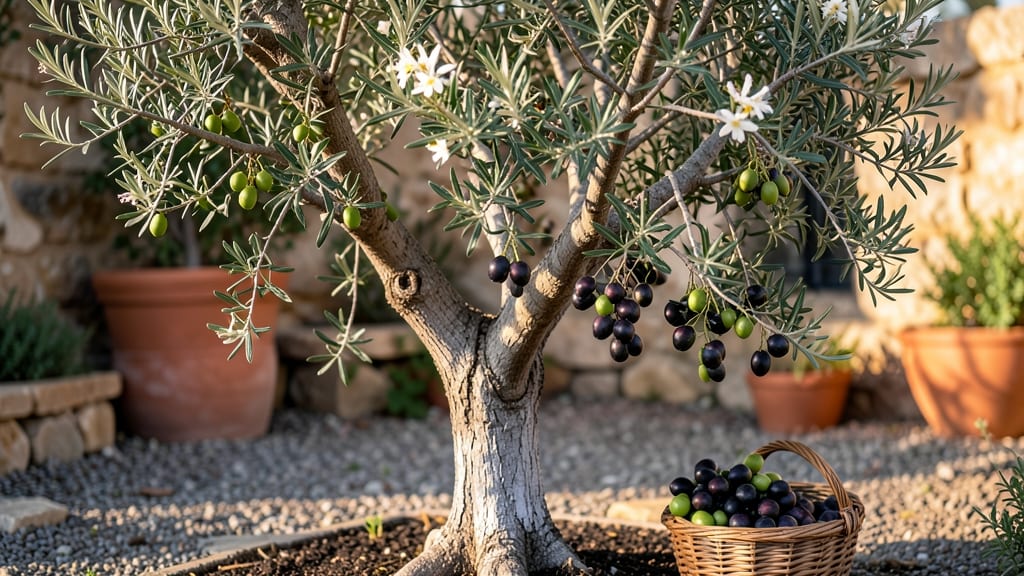
Understanding the olive tree fruit stages is the key to knowing when to harvest and how to care for your 🫒 tree throughout the season.
Watching an olive tree transform from blossoms to ripe fruit is a fascinating journey—yet many gardeners miss critical stages that determine harvest success. The difference between a mediocre crop and a bountiful one often comes down to recognizing these milestones.
From the first appearance of tiny green olives in late spring to their deep purple or black hues by fall, each stage requires specific attention.
Whether you're a beginner or an experienced grower, knowing what to expect month by month helps you adjust watering, pruning, and fertilization for optimal fruit development.
In this guide, I’ll walk you through every phase of olive fruit growth, including how to identify ripeness, common pitfalls to avoid, and the best practices to ensure your tree thrives from blossom to harvest.
Olive tree fruit development stages: a month-by-month visual timeline
Understanding the olive tree fruit stages helps you anticipate harvest times and adjust care routines. Each phase—from delicate blossoms to rich, ripe olives—requires specific attention to watering, pruning, and nutrient balance.
I’ve tracked my own olive trees for years, and these month-by-month milestones reveal exactly when to expect changes and how to support them.
The journey begins in late winter/early spring with flower formation, peaks in summer with rapid growth, and culminates in fall with oil-rich fruit. Missing these stages can lead to premature fruit drop or poor flavor development.
Let’s break down each critical phase so you can nurture your tree through every step.
🌱 Key factors influencing olive development include temperature, sunlight exposure, and soil moisture. For example, heatwaves in July can cause fruit to crack, while drought stress in August may stunt ripening. I’ll share how to monitor these conditions and adjust your care plan accordingly.
| Month | Development Stage | Visual Changes | Size Milestone | Critical Care |
|---|---|---|---|---|
| March-April | Flower Formation | White/pink blossoms appear | 0.1" buds | Prune dead branches, avoid heavy watering |
| May | Pit Hardening | Green olives form, pit becomes firm | 0.5" diameter | Increase water to 15 gallons/week |
| June | Rapid Growth | Olives turn purple-green | 0.75" diameter | Apply balanced fertilizer (10-10-10) |
| July-August | Color Shift | Skin darkens to purple/black | 1" diameter | Monitor for cracking, reduce irrigation |
| September | Oil Development | Skin softens, oil content peaks | 1.25" diameter | Test for ripeness (gentle squeeze) |
| October-November | Full Ripeness | Deep black/purple, slightly oily | 1.5" diameter | Harvest when stems separate easily |
The first stage, flower formation in March-April, is delicate. Your tree produces tiny white or pink blossoms that will develop into fruit. During this time, avoid heavy pruning or overwatering, as both can stress the tree and cause blossom drop.
I’ve seen trees lose up to 30% of potential fruit due to improper care during this phase.
By May, the pit hardening stage begins. This is when the olive’s stone (pit) becomes firm, and the fruit starts growing rapidly. You’ll notice small green olives forming along the branches.
This is the perfect time to increase watering—aim for 15 gallons per week—to support the developing fruit. My trees show the most growth during this period if given consistent moisture.
June marks the rapid growth phase, where olives double in size. The skin shifts from bright green to a purple-green hue, signaling active photosynthesis. Apply a balanced fertilizer (10-10-10 ratio) to ensure your tree has enough nutrients.
I fertilize mine in early June, just as the olives reach about 0.75 inches in diameter.
July and August bring the color shift, where olives darken to purple or black. This phase is critical for oil development, but heatwaves can cause fruit cracking.
To prevent this, reduce irrigation slightly and mulch around the base of the tree. I’ve found that morning watering helps olives retain moisture without encouraging fungal growth.
In September, the olives soften slightly, and their oil content peaks. This is when you can start testing for ripeness by gently squeezing the fruit—it should yield slightly without being mushy.
If the skin feels firm, wait another week. This stage is also when many gardeners thin the fruit to improve size and quality, removing smaller or damaged olives.
The final stage, October-November, is when olives reach full ripeness. They’ll be deep black or purple with a slightly oily texture. The best way to test readiness is to twist the olive—if it separates easily from the stem, it’s harvest time.
I always pick mine in the morning when temperatures are cooler to preserve freshness.
Understanding these stages helps you optimize care and avoid common mistakes. For example, overwatering in September can lead to splitting, while underwatering in June stunts growth. By following this timeline, you’ll know exactly when to adjust your watering, fertilizing, and harvesting routines for the best possible yield. 🌿
How to identify ripe olives vs. unripe: 5 key visual and texture clues
Identifying the perfect moment to harvest olives can be tricky, especially when relying solely on color. Unripe olives appear green and firm, while fully ripe olives turn deep purple or black and feel slightly oily.
The key lies in combining visual cues, texture tests, and even aroma—each revealing critical clues about ripeness.
Color changes are the most obvious sign, but they don’t tell the whole story. For example, semi-ripe olives might show hints of purple but still lack the rich oil content of fully mature fruit.
Regional climates also play a role—olives in warmer zones like California ripen faster than those in cooler Mediterranean climates, where ripening extends into late fall.
Olive Ripeness Comparison
| Stage | Color | Texture | Aroma | Harvest Ready? |
|---|---|---|---|---|
| Unripe | Green | Very firm | None | ❌ No |
| Semi-Ripe | Purple | Slightly soft | Mild | ⚠️ Maybe (if processing) |
| Fully Ripe | Black | Oily, slight give | Sweet/fruity | ✅ Yes |
Note: Texture is the most reliable indicator—press gently with your thumb. A ripe olive will dent slightly.
To test for ripeness, gently press an olive between your thumb and forefinger. Unripe olives feel rock-hard, while ripe olives yield slightly under pressure, almost like a ripe avocado.
This texture test is especially useful when olives are still transitioning colors, as they often do in patchy ripening patterns common in cooler climates.
Don’t overlook the aroma test—fully ripe olives emit a faint, sweet, or even slightly floral scent near the stem. If you’re unsure, pick a few olives at different stages and taste-test them. Green olives are bitter, purple olives are milder, and black olives are the sweetest.
This hands-on approach ensures you harvest at peak flavor and oil content.
Regional variations matter, too. In California’s coastal areas, olives may ripen by late September, while in Southern Europe, they often wait until November. Pay attention to your tree’s local climate patterns and adjust your harvest timeline accordingly. Overripe olives can split or fall prematurely, so timing is everything.
Pro tip: Harvest olives in the morning when temperatures are cooler. This preserves their oil content and makes them easier to handle. Store them in a paper bag in the fridge for up to a week to slow further ripening until you’re ready to process or enjoy them.