
Pruning
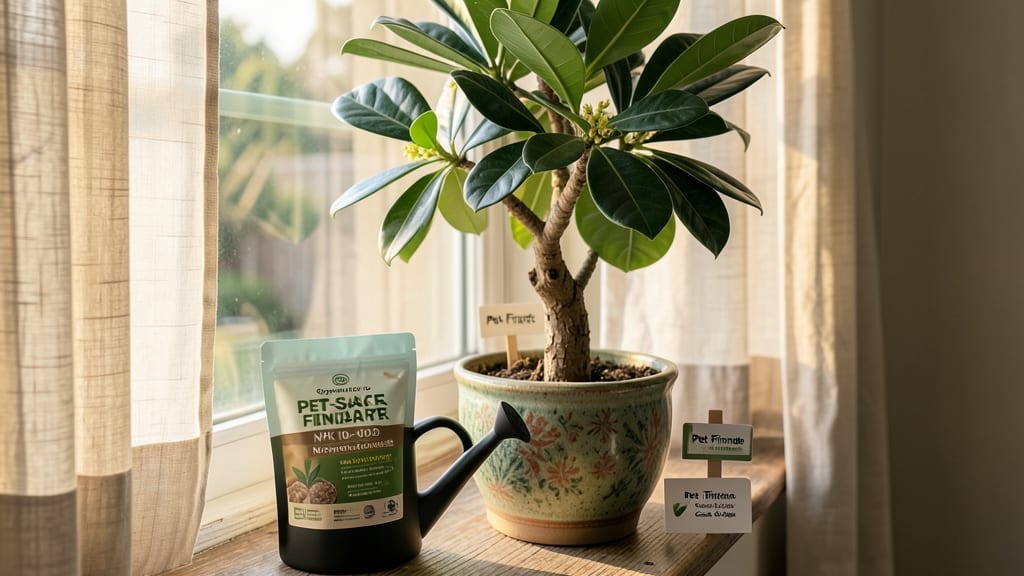
Are money trees pet-friendly? No—money trees (Pachira aquatica) pose serious risks to pets, as their sap and leaves contain irritating compounds that trigger vomiting, excessive drooling, or skin irritation in cats, dogs, and other animals. Keep them out of reach of curious pets and choose safer alternatives like spider plants or Boston ferns.
Money trees contain natural compounds like saponins that can cause digestive upset or skin reactions in pets. 🐾 Even small bites of leaves or accidental sap exposure may lead to discomfort, and larger ingestions could require veterinary attention.
The ASPCA confirms these plants rank among the moderately toxic options for pets, so placement in homes with animals demands extra caution.
For pet owners, safer alternatives like Boston ferns or spider plants offer similar aesthetic appeal without the health risks. These options thrive in similar light conditions and are certified pet-safe by organizations like the ASPCA. Always verify plant toxicity before bringing new greenery home—your furry friends will thank you!
💡 In This Article
- Toxic Compounds in Money Trees and Pet Health Risks
- Top Pet-Safe Houseplants for Homes with Curious Animals
Toxic compounds in money trees and pet health risks
The money tree's toxicity stems primarily from its sap and leaves, which contain compounds like saponins—natural detergents that create soapy foam when mixed with water. These irritants trigger immediate oral irritation, excessive drooling, and vomiting when ingested by pets.
The severity depends on the amount consumed: a small leaf bite may cause mild discomfort, while larger ingestions could lead to gastrointestinal distress requiring veterinary care.
Cats and dogs are particularly vulnerable due to their curious nature and tendency to chew plants. The ASPCA classifies money trees as moderately toxic, with symptoms appearing within 6-12 hours of exposure.
Smaller pets (like cats) experience more severe reactions than larger dogs because their systems process toxins differently. Skin contact can also cause irritation or allergic reactions, especially in pets with sensitive skin.
What makes this plant dangerous is its palatability—the leaves have a slightly sweet taste that entices pets to nibble. Unlike bitter-tasting toxic plants, money trees don't deter curious animals, increasing the risk of accidental ingestion.
The sap's sticky texture also clings to paws, which pets may then lick, compounding the exposure.
Breed-specific risks exist too: brachycephalic breeds (like pugs) have narrower airways, making vomiting more dangerous, while hairless pets (like Xoloitzcuintlis) have greater skin exposure to irritants. Always monitor pets around money trees, even if they haven't shown symptoms yet—the delay in reaction doesn't mean the plant is safe.
Here's what happens chemically: saponins disrupt cell membranes in a pet's digestive tract, causing inflammation and fluid loss. The plant's calcium oxalate crystals (another compound) create sharp, needle-like structures that physically irritate the mouth and throat.
Together, these compounds create a double threat that explains why even minor exposure can lead to noticeable discomfort.
For pet owners, the key takeaway is prevention: place money trees in high, secure locations where pets can't reach them. If ingestion occurs, rinse the pet's mouth with water and contact your vet immediately—never induce vomiting without professional guidance.
The ASPCA's Animal Poison Control Center (888-426-4435) offers 24/7 assistance for such emergencies.
Understanding these risks helps you make informed decisions about indoor plants. While money trees are popular for their striking appearance, their toxicity makes them a high-risk choice for homes with pets. 🐾