
Pruning
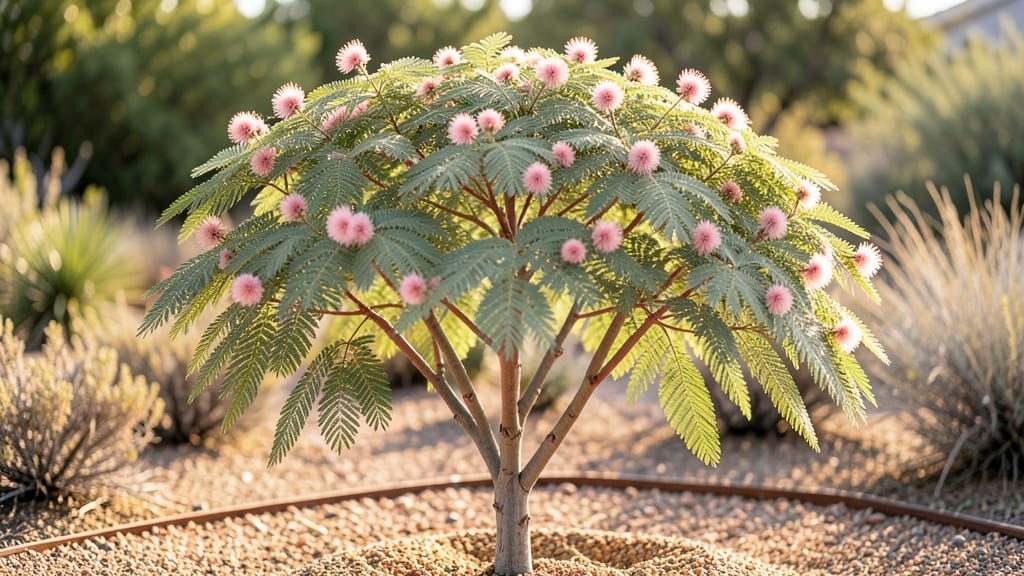
For mimosa trees in Utah, the best varieties are cold-hardy types like Albizia julibrissin 'Summer Chocolate' or Albizia julibrissin 'Pink Cascade'—these varieties handle Utah’s dry climate, temperature shifts, and alkaline soil exceptionally well, needing little water once rooted. Annual pruning keeps them manageable and promotes better blooms.
Utah’s unique climate demands mimosa varieties that can handle both drought and cold snaps, which is why these two cultivars stand out. 🌵 Their deep root systems access moisture efficiently, while their fine foliage reduces water loss—key traits for Utah’s arid conditions.
The 'Summer Chocolate' variety, in particular, boasts dark purple blooms that add striking color to landscapes, while 'Pink Cascade' offers a softer pink hue that many gardeners prefer. Both thrive in Utah’s USDA Zone 6-9, making them ideal for most of the state’s regions.
When planting, focus on well-draining soil with a slightly alkaline pH, which mimics Utah’s natural conditions. 🌱 Space trees at least 15-20 feet apart to allow for their mature spread, and avoid overwatering—they’re surprisingly resilient once established.
Pruning in late winter or early spring helps shape the tree and encourages dense, vibrant blooms for the following season.
💡 In This Article
- Cold and Drought Tolerance in Utah Mimosa Varieties
- Planting and Care Guide for Utah’s Harsh Climate
Cold and drought tolerance in Utah mimosa varieties
The Utah climate—with its hot, dry summers and cold winters—tests even the hardiest plants. Mimosa trees thrive here because of their deep taproot systems, which can reach 6-10 feet underground, accessing moisture and nutrients far below the surface.
This adaptation is critical in Utah’s arid conditions, where surface water evaporates quickly. 🌵 The roots also help stabilize the tree against strong winds, a common challenge in open Utah landscapes.
Another key adaptation is their compound leaf structure, which reduces water loss through transpiration. Each leaf is made up of multiple leaflets, creating a larger surface area for photosynthesis while minimizing moisture evaporation.
The USDA hardiness zones 6-9 for these varieties align perfectly with Utah’s climate, as they can withstand temperatures as low as -10°F without significant damage. This cold tolerance is due to their ability to enter a semi-dormant state during winter, conserving energy until spring.
Utah’s alkaline soil (pH 7.5-8.5) can be challenging for many plants, but mimosa trees actually prefer these conditions. Their natural habitat in the southeastern U.S. includes regions with similarly high pH levels, making them uniquely suited to Utah’s soil.
The 'Summer Chocolate' and 'Pink Cascade' varieties have developed a tolerance for these conditions, allowing them to flourish without needing soil amendments. This adaptability reduces the need for costly soil modifications.
Water efficiency is another standout feature. Once established, these trees require only 1-2 inches of water per week during the growing season, making them ideal for Utah’s water conservation goals. Their ability to thrive with minimal irrigation is due to a combination of deep roots and drought-resistant foliage.
In contrast, many ornamental trees need frequent watering, which is impractical in Utah’s dry climate.
For gardeners in Utah, these botanical adaptations translate to low-maintenance landscaping. The trees’ natural resilience means they’re less prone to stress-related issues like leaf scorch or root rot, which are common in Utah’s fluctuating temperatures.
Their ability to handle both drought and cold makes them a practical choice for front yards, parks, and even urban landscapes where space and water are limited. 💫
Understanding these adaptations helps Utah gardeners make informed choices. When selecting a mimosa variety, prioritize those with proven drought tolerance and cold hardiness. The 'Summer Chocolate' and 'Pink Cascade' aren’t just beautiful additions to your landscape—they’re smart, sustainable choices that align with Utah’s environmental challenges.