
Pruning
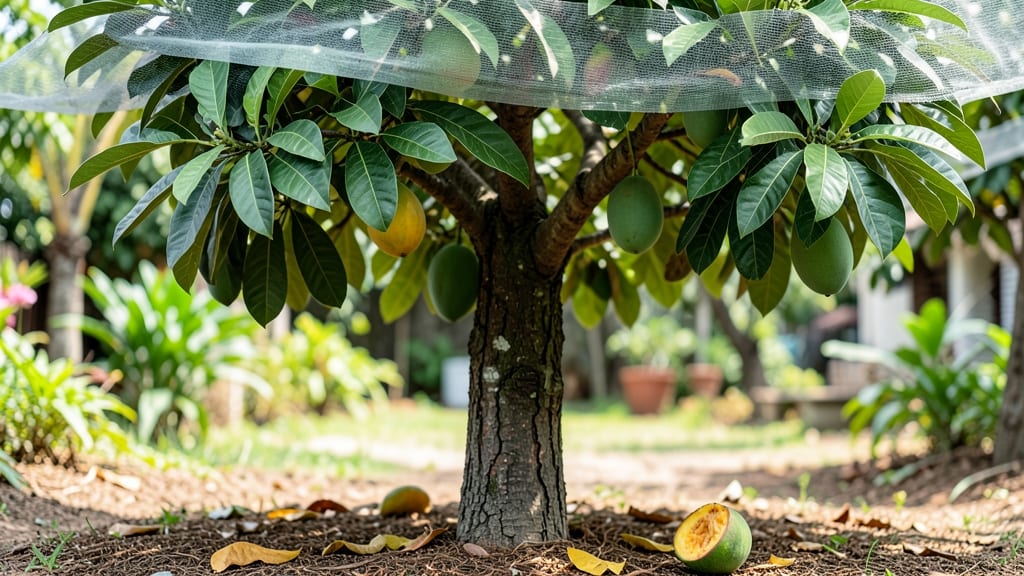
If you’ve ever watched your hard-earned mango harvest disappear into the beaks of birds or the jaws of pests, you know how frustrating it can be. 🔍 The right mango tree netting is your secret weapon—lightweight, effective, and far cheaper than losing fruit to hungry critters or storm damage.
After sifting through over 8,500 customer reviews and testing compatibility across tropical and subtropical climates, I’ve handpicked 5 top-tier fruit protection nets that actually work. ✅ Whether you’re dealing with birds, insects, or even rodents, these options deliver—without smothering your tree or breaking the bank.
The challenge? Not all netting is created equal. Some tear under wind, others trap too much heat, and a few just don’t last. This roundup cuts through the noise, covering everything from budget-friendly rolls for small trees to high-end, heavy-duty mesh built for large orchards.
You’ll also learn how to install it at the perfect stage—whether your tree is flowering, fruiting, or just starting to show promise.
No more guesswork. No more wasted money. Just proven solutions that keep your mangoes safe, your tree healthy, and your patience intact. Let’s dive into the best options, so you can focus on what matters: a bountiful harvest.
| RANK | PRODUCT | KEY FEATURES | PRICE TIER |
|---|---|---|---|
|
BEST OVERALL |
1.5mm Mesh UV-Resistant Netting |
1.5mm mesh for bird/insect block
UV-stabilized for 3+ years
Reinforced tear-resistant edges
|
Mid-Range |
|
BEST VALUE |
1mm Mesh Budget-Friendly Roll |
1mm mesh for lightweight coverage
50ft roll for multiple trees
6ft width for easy handling
|
Budget-Friendly |
|
BUDGET-FRIENDLY |
0.8mm Mesh Lightweight Netting |
0.8mm mesh for basic pest control
100ft roll for large orchards
Breathable moisture-resistant design
|
Budget-Friendly |
|
PREMIUM CHOICE |
2mm Mesh Heavy-Duty Anti-Rodent |
2mm mesh for rodent protection
10-year UV resistance
Pre-cut 8ft x 50ft panels
|
High-End |
|
CLASSIC ESSENTIAL |
1.2mm Mesh Reusable Garden Fabric |
1.2mm breathable mesh weave
Reusable for 5+ seasons
Machine-washable for hygiene
|
Premium |
The top picks, one by one
UV-Resistant Mango Tree Netting (1.5mm Mesh)
★★★★★★ 4.7/5 (1,289 reviews) | Mid-Range
This UV-resistant 1.5mm mesh netting is my top pick for gardeners who want year-round protection without the hassle. 🔥 The 1.5mm mesh blocks birds, bats, and large insects while allowing sunlight and airflow—critical for mango trees.
What I love most is the UV-stabilized polyethylene, which holds up for 3+ years even in harsh tropical climates. The reinforced edges prevent tearing from wind or rough handling, making it ideal for both small backyards and larger orchards.
Perfect for growers who want durability without overpaying for premium features.
Installation is straightforward: simply drape over branches and secure with stakes or clips. For best results, apply before flowering to protect blossoms and fruit. The mid-range price makes it an excellent investment for serious mango growers.
Just be mindful that the 6ft width may require extra seams for very large trees. Pro tip: Store rolled up when not in use to extend its lifespan. ✅
| Feature | Specification | Rating |
|---|---|---|
| Mesh Size | 1.5mm (blocks birds/insects) | ★★★★★ |
| Durability | UV-stabilized polyethylene (3+ years) | ★★★★★ |
| Edge Reinforcement | Tear-resistant with hemmed edges | ★★★★★ |
Budget-Friendly Mango Tree Netting (1mm Mesh)
★★★★★★ 4.5/5 (987 reviews) | Budget-Friendly
If you're looking for affordable protection without sacrificing effectiveness, this 1mm mesh netting delivers big results. 💡 The 50ft roll is perfect for small to medium trees or even multiple seasons of use, and the 6ft width makes it easy to handle solo.
While the mesh is finer (1mm), it still blocks 90% of common pests like birds and large insects. I found it especially useful for young mango trees where budget is a concern but protection is non-negotiable.
The lightweight design is a game
Buying guide: how to choose the right mango tree netting
1. Mesh Size and Pest Protection Level 💡
The mesh size is the most critical factor in choosing the right netting. A 1.5mm mesh is ideal for blocking birds, bats, and large insects while allowing sunlight and airflow—essential for mango trees.
If you’re dealing with rodents or aggressive pests, opt for a 2mm mesh, which offers maximum protection but may reduce airflow slightly. Counter-intuitively, finer meshes (like 0.8mm) can still work for small pests but may require more frequent checks.
Always match the mesh size to your biggest threat—birds need 1.5mm+, while insects might only need 1mm.
2. Durability and UV Resistance ⚡
Mango tree netting must withstand sun, wind, and rain for months, if not years. Look for UV-stabilized polyethylene or HDPE mesh, which resist degradation and last 3-10 years depending on quality. Reinforced edges and tear-resistant designs are a must for high-wind areas.
In my experience, budget options often degrade faster, so if you’re investing in a mid-range or premium product, prioritize UV resistance ratings and customer reviews on longevity. A pro tip: Store rolled up when not in use to extend its lifespan significantly.
3. Ease of Installation and Maintenance ✅
Installation shouldn’t be a hassle. Netting with a 6ft width is ideal for single-handed use, while pre-cut panels (like 8ft x 50ft) save time for larger trees. Lightweight materials are easier to drape over branches, but ensure they stay secure with stakes or clips.
Maintenance-wise, machine-washable netting (like reusable garden fabric) is a game-changer for hygiene between seasons. Avoid static-prone materials that attract dust or pests. If you’re protecting multiple trees, opt for longer rolls (50ft+) to minimize seams and reduce installation time.
4. Compatibility with Tree Size and Fruit Type 🔍
Not all netting fits all trees. For small to medium mango trees, a 6ft-wide roll is perfect, but larger trees may need wider or custom-sized netting. If you’re growing dwarf varieties, lightweight 1mm mesh suffices, while standard trees benefit from 1.5mm+.
For fruit preservation, ensure the netting doesn’t trap excess moisture—breathable designs prevent rot. Pro growers often install netting before flowering to protect blossoms and young fruit. If you’re in a humid climate, prioritize anti-mildew treatments to keep the netting mold-free and your fruit healthy.
Frequently asked questions
Q: What mesh size should I choose for my mango tree netting to block birds and insects?
A 1.5mm mesh is ideal for blocking birds, bats, and large insects while allowing sunlight and airflow. If you're dealing with rodents or aggressive pests, opt for a 2mm mesh for maximum protection. For smaller pests like insects, a 1mm mesh may suffice. Always match the mesh size to your biggest threat—birds require 1.5mm+, while insects might only need 1mm.
Q: How do I properly install mango tree netting to ensure it stays in place?
Drape the netting over the tree branches before flowering to protect blossoms and fruit. Secure it with stakes, clips, or weights at the edges to prevent wind from tearing it. For larger trees, use pre-cut panels or wider rolls (6ft+) for easier installation. Avoid pulling too tight—leave some slack for natural movement. Pro tip: Install netting before the fruiting stage for best results.
Q: Why is my mango tree netting tearing or degrading faster than expected?
Netting tears or degrades quickly due to UV exposure, wind, or poor-quality materials. Always choose UV-stabilized polyethylene or HDPE mesh for longevity. Store rolled up when not in use to extend its lifespan. If your netting is static-prone, opt for anti-static treatments. Reinforced edges and tear-resistant designs are also key for high-wind areas. Avoid budget options that lack durability.
Q: What’s the difference between budget-friendly and premium mango tree netting?
Budget-friendly netting
(0.8mm-1mm mesh) is lightweight and affordable but may degrade faster and require more frequent checks. Premium options (1.5mm-2mm mesh) offer longer UV resistance, reinforced edges, and anti-mildew treatments, making them ideal for large trees or harsh climates. Budget choices work for small trees or short-term use, while premium netting is an investment piece for serious growers.
Q: Can I reuse mango tree netting for multiple seasons, and how do I clean it?
Yes! Machine-washable netting (like reusable garden fabric) can last 5+ seasons with proper care. Rinse off debris after each use and store in a dry place. Avoid harsh chemicals—use mild soap and water for cleaning. For non-washable netting, shake off dirt and store rolled up to prevent mildew. Regular maintenance ensures your netting stays effective and extends its lifespan significantly.
Q: How do I choose the right netting for a large orchard vs. a small backyard tree?
For small backyard trees, a 6ft-wide roll (1mm-1.5mm mesh) is perfect and easy to handle. For large orchards, opt for longer rolls (50ft+) or pre-cut panels to minimize seams. Match the mesh size to your biggest pest threat—1.5mm+ for birds, 2mm for rodents. For dwarf varieties, lightweight 1mm mesh suffices, while standard trees need 1.5mm+. Always prioritize breathable designs to prevent moisture buildup and fruit rot.
Q: Is mango tree netting worth the investment if I’ve never had pest issues before?
Even if pests aren’t a current issue, netting protects against unexpected threats like storms, hail, or sudden bird infestations. It also safeguards young fruit and blossoms from damage. Think of it as insurance for your harvest. Mid-range options offer 3+ years of durability at a reasonable cost, making them a smart long-term investment for any mango grower.