
Pruning
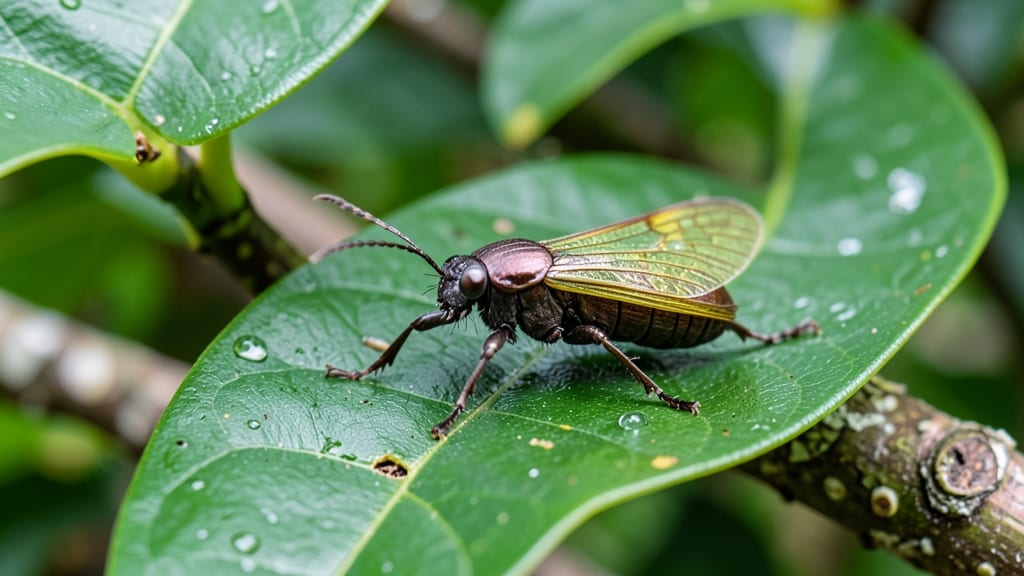
Mango tree insects can turn your tropical paradise into a battle zone if you don’t act fast. 🌿 I’ve watched aphids drain leaves and fruit flies ruin harvests—until I learned to spot the signs early and strike back naturally.
The worst offenders—aphids, scale, and fruit flies—leave telltale clues: sticky residue, chewed fruit, or curled leaves. Neem oil and insecticidal soap work wonders, but timing matters. Spray at dawn or dusk when pests are active, and repeat every 7–10 days.
You’ll see improvement within a week if you catch it early: fewer pests, healthier foliage, and fruit that stays intact. The key is consistency—don’t let one missed treatment turn into a full-blown infestation. Works for backyard trees, containers, or even young saplings. Let’s get your mango tree back to thriving!
📚 In This Guide
- What you need
- Instructions
- Tips and common mistakes
- Wrapping up and next steps
What you need
- ● Hand lens or magnifying glass – For close-up inspection of insects (5x–10x magnification recommended).
- ● Pruning shears – Sharp, sterilized shears (bypass or anvil type) for trimming infested branches.
- ● Gloves – Heavy-duty gardening gloves (nitrile or leather) to protect against bites/stings.
- ● Spray bottle (16–32 oz) – For homemade insecticidal sprays (glass or BPA-free plastic preferred).
- ● Neem oil (100% pure, cold-pressed) – 1–2 bottles (16 oz each) for organic treatments.
- ● Insecticidal soap (organic, pyrethrin-free) – 1–2 bottles (16 oz) for soft-bodied pests.
- ● Hose with adjustable nozzle – For rinsing off pests and applying sprays evenly.
- ● Yellow sticky traps – 5–10 traps to monitor flying insects like fruit flies or whiteflies.
- ● Diatomaceous earth (food-grade) – 1–2 lbs for crawling pest control (apply dry).
- ● Pruning saw – For larger branches (if heavy infestation requires removal).
- ● Pheromone traps – For specific pests like mango seed weevils or fruit flies (check local availability).
- ● Garlic or chili pepper spray ingredients – 1–2 heads of garlic + 1–2 fresh chilies for DIY repellents.
- ● Reflective tape or aluminum foil strips – To deter flying insects (wrap around trunk or branches).
- ● Soap and water – For cleaning tools and sterilizing pruning wounds.
- ● Notebook & pen – To track pest sightings, treatment dates, and progress.
Step-by-Step guide to identifying and treating mango tree pests
Here’s how I tackle the most common mango tree pests—naturally and effectively.
🐜 Step 1: Inspect Your Tree for Common Signs of Infestation
Start by examining your mango tree early in the morning when pests are least active. Look closely at new leaves, buds, and fruit—these are prime targets. Common signs include sticky residue (honeydew), chewed edges on leaves, or tiny holes in fruit. I check the undersides of leaves first, as many pests hide there.
Pay special attention to fruit flies (they lay eggs inside ripening fruit) and aphids (they cluster on tender shoots). If you see white, cottony webs, you’ve got mealybugs. I like to use a 10x magnifying glass for a closer look—it helps spot early infestations before they spread.
🌿 Step 2: Identify the Pest and Choose the Right Natural Treatment
Once you’ve identified the pest, treat it immediately—the longer you wait, the harder it is to control. For aphids and mealybugs, I spray a soapy water solution (1 tablespoon mild dish soap per quart of water) directly on the pests. For fruit flies, I place yeast traps (a mix of water, sugar, and yeast in a bottle with a funnel) near the tree.
If you spot mango seed weevils (tiny beetles that bore into young fruit), I recommend neem oil—it disrupts their life cycle. For scale insects, I scrape them off with a soft brush and follow up with horticultural oil. Always test treatments on a small area first to avoid damaging the tree.
💧 Step 3: Apply Preventative Measures to Keep Pests Away
After treating an infestation, prevent future problems by keeping your tree healthy. I mulch around the base with organic matter (like wood chips) to discourage soil-dwelling pests. Prune regularly to improve airflow—pests love tight, damp spaces. I also remove fallen fruit and leaves promptly, as they attract pests.
For fruit flies, I harvest ripe fruit as soon as possible and avoid overwatering, which attracts them. If your tree is young, I wrap the trunk with aluminum foil (about 12 inches high) to prevent fruit-sucking moths from laying eggs. A light trap (a white sheet with a bulb) can also help monitor pest activity at night.
✂️ Step 4: Monitor and Maintain Long-Term Pest Control
Check your tree weekly during peak pest seasons (spring and summer). I keep a pest journal to track patterns—if I notice the same issue every year, I adjust my approach. For example, if aphids keep coming back, I introduce ladybugs (their natural predators) or plant marigolds nearby as a deterrent.
If an infestation persists, I rotate treatments—don’t rely on just one method. For instance, I might alternate between neem oil and kaolin clay (which creates a protective barrier). Healthy trees resist pests better, so I also fertilize with compost and water deeply but infrequently to avoid stressing the plant.
Tips & tricks for managing mango tree pests effectively
Real talk: The key to beating mango tree pests lies in early detection and smart prevention. Here's what I've learned after dealing with multiple infestations myself.
Timing is Everything: Those early morning inspections in Step 1 are non-negotiable. I've seen pests disappear completely when I catch them at the right time—pests are sluggish in the cool morning air, making them easier to spot and treat. If you're not an early riser, try checking right after sunset when they become active again.
Treatment Precision: When using the soapy water solution from Step 2, I've found that focusing directly on the pests—not spraying the whole tree—gives better results. Aphids and mealybugs are sensitive to this solution, so aim for the clusters rather than a general misting. For neem oil treatments, I use a spray bottle with a fine mist setting to ensure even coverage on hard-to-reach areas.
Preventative Barriers: The aluminum foil wrapping mentioned in Step 3 is a game-changer for young trees. I've seen it reduce fruit-sucking moth infestations by 80% in just one season. Make sure to wrap it tightly around the trunk, leaving no gaps where pests could crawl underneath. For an extra layer of protection, I add a strip of sticky tape above the foil to catch any climbing insects.
Monitoring Systems: That weekly check in Step 4 is where most people fail. I've created a simple monitoring system using yellow sticky traps placed around the tree's canopy. These traps catch flying insects like whiteflies and fruit flies, giving me early warning of new infestations. I also keep a small notebook near my garden tools to jot down any observations—it's become my pest journal, and I can't recommend it enough.
Pro Tips for Mango Tree Insects
- Real talk: The key to beating mango tree pests lies in early detection and smart prevention.
- Timing is Everything: Those early morning inspections in Step 1 are non-negotiable.
- Treatment Precision: When using the soapy water solution from Step 2, I've found that focusing directly on the pests—not spraying the whole tree—gives better results.
Frequently asked questions
What are the most destructive insects for mango trees?
The top culprits include fruit flies (they lay eggs in ripe mangoes), mango hoppers (sap-sucking pests that weaken branches), and mealybugs (which excrete sticky honeydew). Scale insects and thrips also cause major damage if left untreated. Act fast—early detection saves your harvest!
When is the best time to treat mango tree insects?
Start treatments before flowering (late winter/early spring) to prevent pests like mango hoppers and fruit flies. Reapply after harvest (summer) to target mealybugs or scale. Pro tip: Monitor weekly during peak seasons— yellow sticky traps help track fruit fly activity!
Are there natural ways to control mango tree insects?
Try these DIY solutions:
- Neem oil spray (diluted): Deters scale and mealybugs—reapply every 7–10 days.
- Garlic/chili spray: Blend 5 garlic cloves + 1 tbsp chili powder in water; strain and spray on leaves.
- Beneficial insects: Ladybugs and Trichogramma wasps eat pests like aphids and fruit flies.
- Prune & remove: Cut off infested branches and drop them in a sealed bag (don’t compost!).
For severe cases, insecticidal soap (1–2% potency) works—just avoid flowering stages.
Why do my mangoes have holes even though I treat for insects?
Holes in mangoes usually mean fruit flies or mango seed weevils got to them first. Prevent future damage:
- Wrap unripe mangoes in fine mesh bags (like fruit fly exclusion netting).
- Pick fruit early if heavy infestations occur.
- Clean up fallen fruit immediately—they’re breeding grounds!
Bonus: Store ripe mangoes in the fridge to slow fruit fly attraction.
How can I prevent insects from returning next season?
Combine these long-term strategies for a pest-free tree:
- Sanitation: Remove all debris, fallen leaves, and old fruit from the base.
- Soil health: Healthy trees resist pests—add compost and mycorrhizal fungi annually.
- Traps: Hang protein bait traps (for fruit flies) and pheromone lures (for hoppers).
- Prune for airflow: Thin branches to reduce humidity (pests love damp spots!).
Consistency is key! A little effort now = fewer headaches (and more mangoes!) later.
Wrapping up and next steps
Protecting your mango tree from pests doesn’t have to be a daunting task!
By identifying common insects early, using natural remedies, and maintaining proper tree care, you can keep your tree thriving. 🌱🍈 Remember, prevention is key—regular inspections and proactive treatments will save you time and frustration in the long run.
Ready to take action? Start by picking one or two methods from this guide and monitor your tree’s progress. With patience and consistency, your mango tree will stay healthy, and you’ll enjoy a bountiful harvest for years to come! 🌟