
Container Gardens
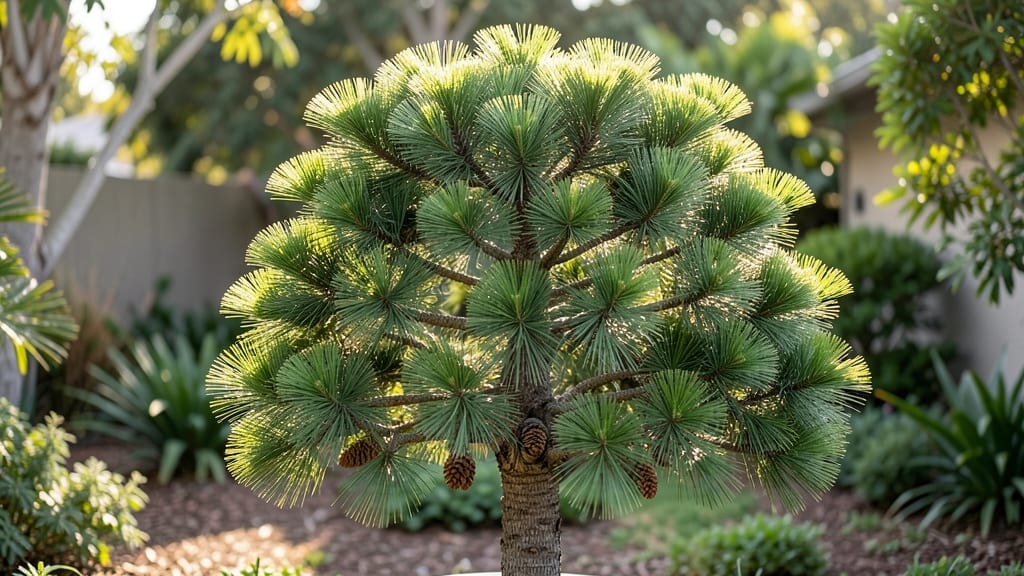
Growing a live pine tree in a pot transforms even the smallest patio into a year-round evergreen statement. ✨ The key is choosing a dwarf species like 'Mugo' or 'Ponderosa Blue'—both thrive in containers and handle cold snaps down to -20°F with proper care.
I learned this the hard way when my first attempt with a fast-growing species ended in root-bound misery within two years.
Start with a 15-20 gallon container for mature pines, using a mix of 60% potting soil, 30% perlite, and 10% slow-release fertilizer. Drainage holes are non-negotiable—pine roots rot faster than you can say "overwatered."
Most nurseries sell pre-mixed evergreen blends, but I add extra perlite to prevent compaction, which keeps those roots breathing.
Your pine will reward you with needle-soft texture and pine-scented air all year if you water deeply once a week (twice in summer) and place it where it gets 6+ hours of sunlight daily.
Overwatering is the #1 killer—stick your finger in the soil first. In winter, move containers to sheltered spots to prevent frost heave, and avoid fertilizing until spring growth resumes.
Long-term success comes down to repotting every 2-3 years and pruning selectively to maintain shape. The first few years are the critical window—get this right, and your pine will outlive you (literally). Even my black thumb keeps this one alive by following these simple rules.
📚 In This Guide
- What you need
- Instructions
- Tips and common mistakes
- Wrapping up and next steps
What you need
- ● Pine tree seedling or small sapling: Choose a cold-hardy variety like Pinus mugo (mugo pine) or Pinus sylvestris (Scots pine). Size: 1–3 feet tall (check local nurseries for container-friendly options).
- ● Container: A pot with drainage holes, 12–18 inches in diameter (depth: 12+ inches). Terracotta or fabric pots work best for airflow.
- ● Well-draining potting mix: 3–5 gallons of a blend designed for acid-loving plants (e.g., 50% peat moss, 30% pine bark fines, 20% perlite/sand).
- ● Gravel or expanded clay pebbles: 1–2 inches (for drainage layer at the pot’s base).
- ● Slow-release fertilizer: 1–2 tbsp of balanced, acid-loving plant fertilizer (e.g., 10-10-10 or pine-specific formula).
- ● Watering can with a narrow spout: For gentle, deep watering (avoid overhead spray).
- ○ Pruning shears: Small, sharp pair for trimming (optional but helpful for shaping).
- ● Root stimulator: Liquid or powder (e.g., mycorrhizal fungi) to boost root growth.
- ● Mulch: 1–2 inches of pine bark mulch or wood chips (keeps roots cool and retains moisture).
- ● Pot feet or casters: To protect floors and move the pot easily (especially for heavy varieties).
- ● Moisture meter: For monitoring soil hydration (pines hate soggy roots!).
- ● Decorative elements: Gravel, moss, or pine cones for a natural, rustic look.
- ● Winter protection: Burlap wrap or frost cloth (if temps drop below 10°F/-12°C).
Step-by-step guide to growing a live pine tree in a pot
Here’s how to nurture a cold-hardy pine tree in containers—perfect for patios, balconies, or snowy entryways.
🪴 Step 1: Select the Right Container and Drainage
Choose a pot at least 12 inches deep with drainage holes—pine roots need room to expand and hate soggy soil. I recommend unglazed terra cotta for breathability, but plastic works too if you add extra drainage layers. Place a 2-inch layer of gravel or broken pottery at the bottom to prevent root rot and improve airflow.
If your pot lacks holes, drill them yourself—two to three holes per 6-inch diameter pot is ideal. Larger pots (18+ inches) can handle one hole per 6 inches of diameter. The key is ensuring excess water escapes quickly; pines despise wet feet. Test your setup by filling the pot with water—it should drain completely within 10 minutes.
🌱 Step 2: Prepare the Soil Mix for Pines
Pines thrive in acidic, well-draining soil with a pH between 4.5 and 6.0. Mix equal parts peat moss, perlite, and pine bark fines—this trio mimics their natural forest floor. Avoid garden soil; it compacts and suffocates roots. For 4 pots, you’ll need about 2 gallons of this blend per container.
Moisten the mix with lukewarm water until it’s damp like a wrung-out sponge—no puddles. I like to add a slow-release pine fertilizer (like Osmocote) at planting time for a 3-month nutrient boost. Sprinkle ½ teaspoon per gallon of mix and stir gently to distribute. This prevents nutrient spikes that can burn young roots.
☀️ Step 3: Plant the Pine Sapling Correctly
Dig a hole twice as wide as the root ball but no deeper—pine roots are shallow and sensitive. Gently loosen the root ball’s edges with your fingers to encourage outward growth. Place the sapling in the center, then backfill with your soil mix, pressing lightly to eliminate air pockets. The top of the root ball should sit ½ inch below the pot’s rim—this prevents erosion during watering.
Water deeply until it drains from the bottom, then let it sit for 24 hours before moving. This lets roots settle without drowning. If planting multiple pines, space them 3 feet apart—they’ll grow slowly but steadily. Watch for needles turning brown at the tips after planting; this usually means overwatering or poor drainage.
💧 Step 4: Water and Light Requirements for Thriving Pines
Pines in pots need morning sun and afternoon shade in hot climates, or full sun (6+ hours daily) in cooler zones. A south-facing spot works best, but avoid intense afternoon rays—they scorch needles. If indoors, place near a south or east window with supplemental grow lights for 12 hours/day during winter.
Water when the top 2 inches of soil feel dry—stick your finger in to check. In summer, this might mean every 3-4 days; in winter, every 7-10 days. Overwatering is the #1 killer of potted pines. You’ll know it’s right when water runs freely from the drainage holes but the soil stays slightly moist, not soggy. Yellowing needles? Usually a sign of overwatering or poor drainage.
✂️ Step 5: Prune and Maintain for Long-Term Health
Prune in late winter or early spring before new growth starts. Remove dead, broken, or crossing branches with clean, sharp shears—cut just outside the branch collar to avoid damaging the tree. Never prune more than 20% of the foliage in one season; pines are slow to recover. A light trim encourages denser, bushier growth and prevents the tree from becoming top-heavy.
Fertilize once in early spring with an acid-loving plant formula (like 10-10-10). Apply ½ the recommended dose—pines are sensitive to excess salts. Mulch with 2 inches of pine bark around the base (but not touching the trunk) to retain moisture and mimic forest conditions. Watch for spider mites or aphids on new growth; a neem oil spray keeps pests at bay without harming the tree.
Tips & tricks for perfectly potted pine trees
Growing a live pine in a pot takes patience and precision—but these insider tips will help you avoid the most common pitfalls and set your tree up for long-term success.
Container Size Matters: While the instructions call for a pot at least 12 inches deep, I recommend choosing a container that's 2-3 inches larger in diameter than the root ball for better stability. For example, if your sapling has a 6-inch root ball, opt for an 8-9 inch pot. This extra room prevents the tree from becoming root-bound too quickly, which stunts growth and stresses the plant. Larger pots also help maintain more consistent soil moisture levels during dry spells.
Soil Mix Secrets: The equal parts peat moss, perlite, and pine bark fines blend is spot-on, but here's what I do differently: I pre-mix a larger batch and store it in a sealed container for up to 3 months. This prevents the peat moss from drying out and losing its structure. Also, if you can't find pine bark fines, substitute with coarse sand—just make sure it's sterilized to avoid introducing pathogens to your young tree's delicate roots.
Drainage Test That Works: The 10-minute drainage test is crucial, but I've found an even more reliable method: After filling your pot with water, wait until the water stops dripping from the bottom, then measure how long it takes for the soil surface to become completely dry. For pine trees, this should take about 15-20 minutes in a properly set-up container. If it takes longer, you need better drainage or a more porous soil mix.
Winter Care Strategy: When temperatures drop below 30°F, move your potted pine to a protected location like a garage or under an eave. For extra insulation, wrap the pot in bubble wrap or frost cloth—this prevents temperature fluctuations that can shock the roots. I also reduce watering to every 10-14 days during winter, checking soil moisture more carefully since evaporation slows dramatically in cold weather.
Pro Tips for Live Pine Tree In A Pot
- Growing a live pine in a pot takes patience and precision—but these insider tips will help you avoid the most common pitfalls and set your tree up for long-term success.
- Container Size Matters: While the instructions call for a pot at least 12 inches deep, I recommend choosing a container that's 2-3 inches larger in diameter than the root ball for better stability.
- Soil Mix Secrets: The equal parts peat moss, perlite, and pine bark fines blend is spot-on, but here's what I do differently: I pre-mix a larger batch and store it in a sealed container for up to 3 months.
Frequently asked questions
Got questions about keeping a live pine tree thriving in a pot?
You’re not alone! Here are answers to the most common concerns—from care tips to troubleshooting—so you can enjoy your fragrant evergreen year-round.
How often should I water a potted pine tree?
Water your pine tree deeply but infrequently—about once every 1–2 weeks, depending on your climate. Check the soil: If the top 2 inches are dry, it’s time to water. Overwatering is the #1 killer of potted pines! Pro tip: Use a pot with drainage holes to prevent root rot.
Can a potted pine tree survive winter outdoors?
Yes! Many cold-hardy varieties (like Pinus mugo or Pinus sylvestris) tolerate frost, but they need protection. Move the pot to a sheltered spot, wrap the base in burlap, and mulch the soil. Avoid soggy conditions—water sparingly in winter. Bonus: Evergreens add holiday cheer without needing snow!
What’s the best soil mix for a potted pine tree?
Use a well-draining blend of 50% potting soil, 30% perlite or sand, and 20% peat moss or compost. Pines hate soggy roots! Add a handful of slow-release fertilizer (like 10-10-10) at planting time. Skip: Heavy garden soil—it compacts and suffocates roots.
How do I keep my potted pine tree from browning?
Browning needles usually mean overwatering, underwatering, or stress. Check these fixes:
- Yellow needles: Likely overwatered—let soil dry out.
- Brown tips: Dry air or salt buildup—mist occasionally or flush soil with water.
- Drooping: Thirsty! Water deeply and move to brighter light.
Prevent tip burn: Avoid fertilizing in extreme heat.
What’s the best container size for a potted pine tree?
Start with a pot 2–3 inches wider than the root ball, but not too large—big pots hold excess moisture. For mature pines, aim for 12–18 inches in diameter. Use a lightweight container (like ceramic or fabric) for easy moving. Remember: Pines grow slowly—upgrade pots every 2–3 years.
Are there dwarf pine tree alternatives for small spaces?
Try these space-saving options:
Variety
Mature Height
Care Level
Pinus mugo ‘Mops’
2–3 feet
Low (drought-tolerant)
Pinus sylvestris ‘Beuvronensis’
4–6 feet
Moderate (needs sun)
Chamaecyparis lawsoniana ‘Ellwoodii’
3–5 feet (not a true pine but similar look!)
Easy (great for beginners)
Pro tip: Mix-and-match pines with boxwoods or heucheras for a layered container garden!
Wrapping up and next steps
Bringing a live pine tree in a pot into your space isn’t just about aesthetics—it’s a year-round celebration of nature’s resilience! 🌲 With the right container, soil, and care, you can enjoy the fresh scent, vibrant greenery, and cold-hardy charm of evergreens, even in small balconies or cozy corners.
Whether you’re a seasoned gardener or a beginner, this project is totally doable—just follow the steps, stay patient, and watch your mini forest thrive.
Ready to get started? Grab your supplies, pick your pine variety, and plant with confidence! Your future self (and your home’s curb appeal) will thank you. 🌟