
Pruning
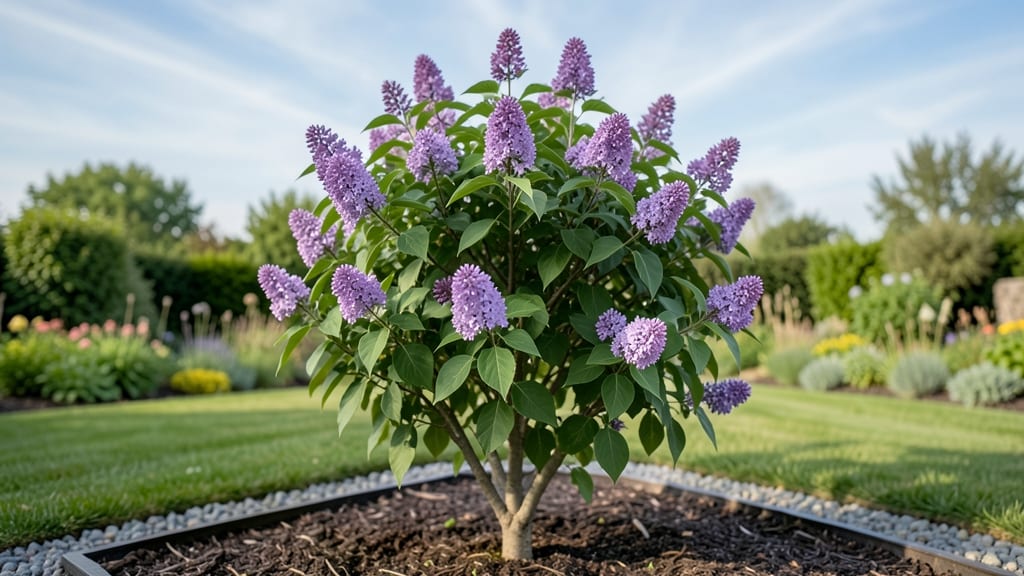
A dwarf lilac tree turns fragrant spring into a permanent fixture in your smallest garden. 🌸 I planted mine last April in a tight corner between the sidewalk and fence—now it’s the first thing visitors notice, with blooms that last for weeks.
The secret isn’t just choosing the right variety (like 'Miss Kim' or 'Little Leaf') but placing it where it thrives without outgrowing its space. These compact lilacs need full sun (at least 6 hours daily) and well-draining soil—amend heavy clay with compost or sand.
Water deeply once a week after planting, then taper off as roots establish (overwatering is the #1 killer). Prune right after flowering to shape the tree and encourage next year’s blooms, but never cut into old wood—you’ll lose next season’s flowers.
By summer, you’ll have a bush bursting with vibrant purple (or white, pink, or lavender) blooms that perfume the air for days. The foliage stays lush all season, and with proper care, these trees live for decades—far longer than their 6-foot height suggests.
Even in tight spaces, they become the garden’s star. Works in containers too (choose a 15-gallon pot for 'Miss Kim'), and they handle city pollution better than most shrubs. Here’s how to keep yours thriving year after year—no green thumb required.
📚 In This Guide
- What you need
- Instructions
- Tips and common mistakes
- Wrapping up and next steps
What you need
- ● Pruning shears: Bypass pruners (sharp, sterilized blades, 5–8" length) – 1 pair.
- ● Hand pruners: For smaller branches (4–6" blades) – 1 pair.
- ● Loppers: For thicker stems (8–12" blades) – 1 pair.
- ● Gloves: Heavy-duty, cut-resistant (e.g., leather or synthetic) – 1 pair.
- ● Disinfectant: 70% isopropyl alcohol or horticultural spray (for sterilizing tools).
- ○ Pruning sealant: Optional but helpful (e.g., Tanglefoot Tree Wound Pruning Seal).
- ● Garden twine or tape: For securing branches during pruning – small roll.
- ● Watering can or hose: With a gentle spray nozzle for post-pruning hydration.
- ● Fertilizer: Slow-release balanced fertilizer (10-10-10) or organic options like compost.
- ● Mulch: Organic mulch (e.g., shredded bark) to retain moisture.
- ● Stake or support: If your dwarf lilac is young or top-heavy.
- ● Plant food: Phosphorus-rich fertilizer (e.g., 5-10-10) to encourage blooms.
- ● Pruning saw: For stubborn, thick branches (rare in dwarf varieties).
Step-by-Step guide to planting a dwarf lilac tree
Here's how to bring that sweet, fragrant charm to your small garden—without sacrificing space.
🪴 Step 1: Choose the Perfect Planting Spot
Dwarf lilacs thrive in full sun—at least 6 hours daily—but tolerate partial shade if you live in a hot climate. I always pick a spot with morning sun and afternoon shade to prevent leaf scorch. The soil should drain well, so avoid low-lying areas where water pools after rain.
Test your soil by squeezing a handful—it should crumble easily when dry. If it sticks together, amend with compost or sand to improve drainage. Dwarf lilacs grow 4-6 feet tall, so plant them 3-5 feet from fences or walls to allow airflow and prevent future pruning headaches.
🌱 Step 2: Dig and Prepare the Hole
Dig a hole twice as wide as the root ball but only as deep. The top of the root ball should sit 1 inch above ground level—this prevents water from pooling around the stem. Loosen the sides of the hole with your shovel to encourage root spread into the surrounding soil.
Fill the bottom of the hole with a mix of native soil and compost (about 1/3 compost) to give roots a nutrient boost right away. Gently place the dwarf lilac in the hole and backfill with the remaining soil mix, tamping lightly as you go. Water thoroughly to settle the soil and eliminate air pockets.
☀️ Step 3: Water and Mulch for First-Year Success
Water deeply right after planting—1-2 gallons should soak the root zone completely. Dwarf lilacs are drought-tolerant once established, but young trees need consistent moisture. Water once weekly during the first growing season, checking that the top 2 inches of soil stay moist.
Spread 2-3 inches of mulch around the base, keeping it 3 inches away from the trunk to prevent rot. I use shredded bark or wood chips because they break down slowly and improve soil structure over time. Mulch helps retain moisture and regulates soil temperature, which is especially helpful in hot summers.
✂️ Step 4: Prune for Shape and Encourage Blooms
Wait until spring, after the first flush of blooms, to prune. Remove any dead, diseased, or crossing branches with clean cuts just above a bud. I always prune at a 45-degree angle to encourage water runoff away from the stem. Never prune more than 1/3 of the plant in one season—dwarf lilacs bloom on old wood, so aggressive pruning reduces next year's flowers.
Shape the tree by focusing on an open center—this allows sunlight and air to reach all branches. A well-pruned dwarf lilac will have a rounded, bushy form with blooms visible from every angle. After pruning, apply a balanced fertilizer (10-10-10) to support new growth.
⏰ Step 5: Maintain Through the Seasons
In spring, remove any winter-damaged branches and apply a 2-inch layer of mulch to refresh the soil. Water deeply every 10-14 days during dry spells, but avoid overwatering—soggy soil invites root rot. Fertilize lightly in early spring with a slow-release granular fertilizer to support blooming.
In fall, cut back any spent blooms but leave the foliage until late autumn. This helps the tree store energy for next year's flowers. Dwarf lilacs are hardy in USDA zones 3-7, so they handle winter well with minimal protection. A 3-inch layer of mulch in late fall insulates roots from freezing temperatures.
Tips & tricks for perfect dwarf lilac planting
Here's what nobody tells you about making your dwarf lilac thrive from day one.
Sunlight Strategy: That 6 hours of full sun is non-negotiable for vibrant blooms, but I've learned the hard way that afternoon shade in hot climates prevents leaf burn. If your garden gets intense afternoon sun, consider planting near a north-facing wall or under a light dappled tree. The morning sun gives them the energy boost they need while protecting delicate leaves from afternoon intensity.
Soil Test Tip: Before you dig, grab a handful of your garden soil and squeeze it tightly. If it holds its shape like a brick when dry, you definitely need to amend it with compost or sand—this isn't just about drainage, it's about giving those roots room to breathe. I keep a bag of compost mix handy for all my planting projects because good soil is the foundation of everything.
Watering Wisdom: Those 1-2 gallons of water right after planting aren't just for show—they're creating the perfect soil contact around the roots. I like to use a watering can with a long spout to direct the water right at the base, not just splashing around the hole. And here's a pro move: after watering, let the soil settle for about 10 minutes before adding more mulch—this helps prevent compaction.
Pruning Precision: When you're shaping that open center in Step 4, think of it like sculpting a vase—you want that air to flow right through to the center branches. I mark my cuts with a piece of tape before making them to ensure I'm cutting at that perfect 45-degree angle. And remember, if you're tempted to prune more than 1/3 of the plant, you're risking next year's blooms—dwarf lilacs are all about patience and restraint.
Pro Tips for Lilac Tree Dwarf
- Here's what nobody tells you about making your dwarf lilac thrive from day one.
- Sunlight Strategy: That 6 hours of full sun is non-negotiable for vibrant blooms, but I've learned the hard way that afternoon shade in hot climates prevents leaf burn.
- Soil Test Tip: Before you dig, grab a handful of your garden soil and squeeze it tightly.
Frequently asked questions
How do I know if my dwarf lilac is healthy?
A healthy dwarf lilac has vibrant green leaves, sturdy branches, and abundant blooms. Watch for yellowing leaves (overwatering), brown edges (underwatering), or fewer flowers (nutrient deficiency). Prune dead branches in early spring to encourage new growth—just avoid cutting back too aggressively!
When is the best time to prune a dwarf lilac?
Prune your dwarf lilac right after flowering (late spring to early summer). This timing ensures you don’t cut off next year’s blooms. For shaping, do a light trim in late winter (before buds swell) to avoid stimulating early growth that could frost damage.
Can I grow a dwarf lilac in a container?
Dwarf lilacs thrive in containers with well-draining soil and a pot at least 12–18 inches wide. Choose a spot with 6+ hours of sunlight daily and water when the top inch of soil feels dry. Just remember: containers dry out faster, so monitor moisture closely!
Why isn’t my dwarf lilac blooming?
Common culprits include over-pruning (cutting back too late in the season), poor sunlight (they need full sun), or lack of nutrients. Feed with a balanced fertilizer in early spring and avoid heavy pruning in the fall. If blooms are sparse, check for aphids or powdery mildew too!
What’s a good alternative if I want a smaller flowering tree?
If dwarf lilacs don’t suit your space, try these compact bloomers:
- Dwarf Japanese Maple – Stunning foliage + fall color
- Ornamental Cherry (e.g., ‘Stella Compact’) – Delicate spring flowers
- Dwarf Crabapple – Fragrant blooms + edible fruit
- Boxwood ‘Green Mound’ – Evergreen structure + low maintenance
Wrapping up and next steps
Growing a lilac tree dwarf is a fantastic way to add fragrance, color, and charm to even the smallest garden spaces! With the right pruning techniques, you’ll enjoy abundant blooms year after year while keeping your compact lilac healthy and thriving.
Whether you’re a beginner or a seasoned gardener, these tips will help you master the art of pruning for a stunning, low-maintenance shrub.
Ready to transform your garden? Start by assessing your dwarf lilac’s needs—then grab your pruners and get to work! With a little patience and care, your tiny tree will reward you with show-stopping blooms that turn heads (and noses!) for seasons to come. 🌸✨