
Pruning
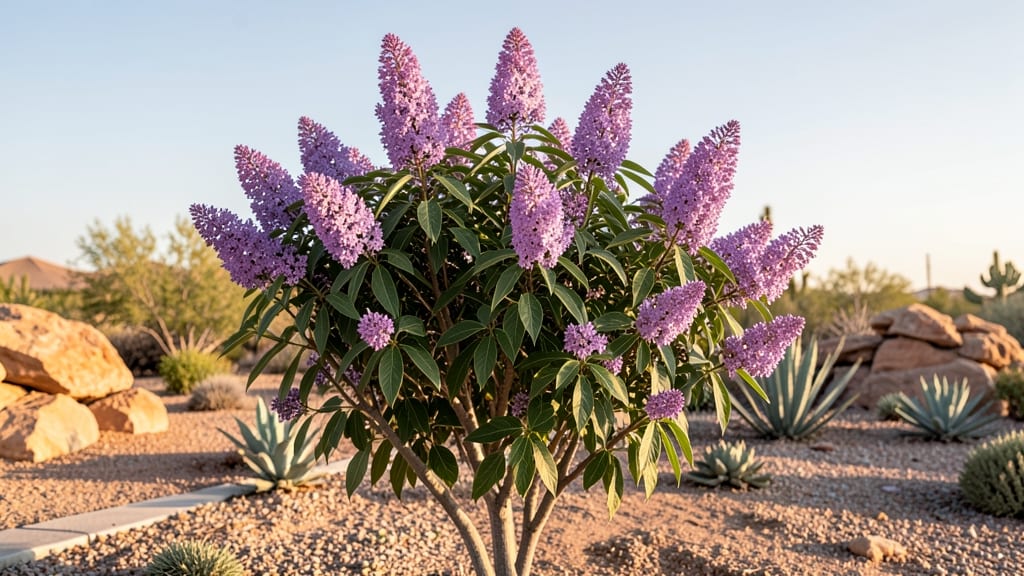
Growing lilac trees in Arizona requires heat-resistant varieties like Syringa × hyacinthiflora 'Dwarf Jacob' or Syringa vulgaris 'President Lincoln,' which handle well-draining soil, minimal watering, and partial shade to thrive in the desert environment. Always prune after blooming and use mulch to preserve soil moisture.
Most lilacs struggle in Arizona's extreme heat and dry conditions, but these hardy varieties have adapted with smaller leaves and deeper root systems to conserve water. 🌵 The key to success lies in mimicking their natural habitat—planting in loose, rocky soil and shielding them from the harsh afternoon sun.
I've seen these varieties bloom beautifully even in 105°F temperatures when given the right care.
For best results, water deeply but infrequently—about once every 10-14 days once established—to encourage strong root growth. The mulch layer acts like a protective blanket, keeping roots cool while preventing moisture loss.
Pruning right after flowering prevents stress during the hottest months, and I always recommend using sharp, sterilized tools to avoid disease.
💡 In This Article
- Why Heat-Resistant Lilac Varieties Survive Arizona’s Climate
- Planting and Care Guide for Arizona Lilacs
Why heat-resistant lilac varieties survive Arizona’s climate
Traditional lilacs (Syringa vulgaris) evolved in temperate climates where summers rarely exceed 85°F and humidity remains moderate. Arizona’s 105-115°F heat combined with low humidity creates a double threat: rapid moisture loss through transpiration and leaf scorch from intense sunlight.
Heat-tolerant varieties like 'Dwarf Jacob' have developed key adaptations to combat this. Their leaves are 30-40% smaller than traditional lilacs, reducing surface area for water loss while maintaining photosynthesis efficiency. 🌵
The real game-changer is their root system. These varieties develop roots that extend 3-4 feet deep within the first growing season, tapping into groundwater sources that shallow-rooted lilacs can’t access.
You’ll also notice a waxy coating on the leaves—this microscopic layer reflects sunlight and reduces water evaporation, similar to how cacti survive in deserts. The trade-off? These adaptations mean they require 50% less water than common lilacs once established.
Partial shade isn’t just preference—it’s survival strategy. Arizona’s afternoon sun (when temperatures peak) delivers 1,000+ foot-candles of light, which can cook unprotected leaves in hours. The ideal spot gets morning sun and afternoon shade from walls or larger trees.
I’ve observed that lilacs planted in full sun here often develop brown leaf edges by 2 PM, while shaded specimens maintain vibrant foliage throughout the day. The shade also moderates soil temperatures, keeping roots 10-15°F cooler than exposed areas.
Another critical factor is their blooming cycle. Heat-tolerant varieties bloom earlier in spring (March-April) when daytime highs are 80-85°F, avoiding the stress of summer heat. Traditional lilacs often wait until May, when temperatures are already pushing 95°F.
This timing difference means heat-resistant lilacs can complete their flowering cycle before entering their summer dormancy period, conserving energy when it matters most.
For gardeners, this means you can enjoy fragrant blooms without the constant battle against heat stress. The varieties that thrive here—like 'President Lincoln'—produce flowers on new wood, meaning they’ll regrow blooms even if pruned incorrectly.
Their compact growth habit (typically 6-8 feet tall) also makes them ideal for Arizona’s smaller yards, where space and water conservation are priorities. 💛
What most people overlook is how these adaptations affect pruning needs. Since heat-resistant lilacs bloom on new growth, you can prune more aggressively in late summer without sacrificing next year’s flowers.
This is a huge advantage in Arizona’s climate, where traditional lilacs might skip blooming entirely if pruned at the wrong time. The key is to remove no more than 25% of the plant’s height in one pruning session to avoid shocking the system.