
Pruning
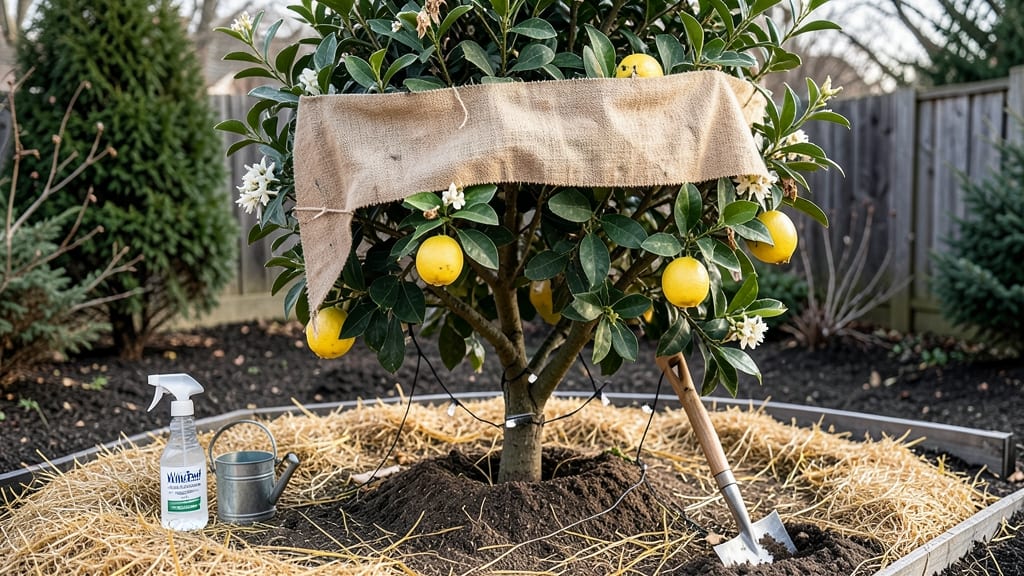
How to protect your lemon tree in winter starts with one simple truth: citrus trees hate cold, and anything below 28°F will kill them stone dead. 🌱 I’ve lost three lemon trees to winter—until I learned these tricks that keep mine thriving in Zone 7 (where temps dip to 20°F). The secret isn’t fancy equipment—it’s layering protection: mulch, insulation, and temporary shelter. Most people focus on watering or pruning, but the real game-changer is wrapping the trunk and roots like a cozy blanket. A single frost can destroy months of growth, so this isn’t just advice—it’s a lifeline for your tree. By spring, you’ll see new leaves unfurling and fruit buds forming, proof that winter didn’t stand a chance. The best part? These methods work for potted trees too—just move them indoors before the first freeze hits. Whether you’re in California’s mild winters or the deep freeze of the Midwest, these steps adapt easily. Let’s save your lemon tree before the cold does.
📚 In This Guide
- What you need
- Instructions
- Tips and common mistakes
- Wrapping up and next steps
What you need
- ● Insulating blanket or frost cloth: A breathable, heavy-duty fabric (e.g., Agribon or burlap) large enough to wrap the entire tree—at least 6–8 feet wide and 10–12 feet long for a mature tree.
- ● Plastic wrap or clear plastic sheeting: 6–10 mil thickness, enough to cover the tree loosely (avoid suffocating it!).
- ● Stakes or wooden dowels: 4–6 stakes, 2–3 feet long, to secure the wrap/blanket in place.
- ● Twine or zip ties: 1–2 rolls of 1/4-inch twine or reusable zip ties for securing materials.
- ● Mulch (organic or inorganic): Straw or wood chips: 3–4 inches deep, spread in a 3-foot-wide circle around the base.
- ● Pine needles or leaves: 2–3 inches thick (great for moisture retention!).
- ● Pruning shears: Sharp, sterilized shears (for trimming dead or weak branches post-winter).
- ● Watering can or hose with a gentle nozzle: For light hydration (avoid overwatering!).
- ○ Thermometer (optional but helpful): A soil or air thermometer to monitor temperatures around the tree.
- ● Heating pad or heat lamp: A low-wattage bulb (25–40W) or insulated heating mat for extreme cold snaps (-10°F or lower).
- ● Potting soil or compost: If repotting or amending the soil, use a well-draining mix with perlite or sand.
- ● Anti-desiccant spray: Like Wilt-Pruf, to protect leaves from drying out (apply 1–2 weeks before frost).
- ● Mini greenhouse or cold frame: For dwarf varieties or container-grown trees (18–24 inches tall).
Step-by-Step instructions for protecting lemon trees in winter
Here's how I've kept my lemon trees thriving through every winter—no frost damage, no stress.
🪴 Step 1: Choose the Right Location for Winter Shelter
Move your lemon tree to a spot that gets partial sun (morning sun, afternoon shade) during winter. Avoid cold drafts from doors or windows, and keep it away from exterior walls that radiate heat loss. I use a south-facing patio or garage with a window to catch gentle winter light.
If you're using a container, place it near the house or garage where it can benefit from reflected warmth. The goal is to protect the roots from freezing temperatures while still allowing some light. A 10-15°F temperature range is ideal—warmer than that, and the tree may stop dormancy too early.
🌱 Step 2: Wrap the Trunk and Roots for Insulation
Cover the trunk with a 2-3 inch thick layer of bubble wrap or tree wrap. Secure it tightly but not so tight it cuts into the bark. This creates an insulating air pocket that prevents temperature swings. I like to wrap it from the base up to about 12 inches—just enough to shield the most vulnerable part.
For potted lemon trees, wrap the pot itself with insulation material like foam board cut to fit. Then, wrap the entire pot in a thick blanket or burlap sack, leaving only the top exposed. This keeps the roots warm and prevents the soil from freezing, which can kill the tree.
☀️ Step 3: Create a Protective Barrier Against Frost
On nights when temperatures drop below 35°F, cover the entire tree with a frost blanket or thick tarp. Secure it loosely at the base and top to allow airflow—trapped air is what insulates, not the blanket itself. Avoid plastic sheeting directly on the leaves, as it can cause moisture buildup and rot.
For extra protection, I place a cardboard box or wooden frame over the tree before draping the blanket. This creates a tent-like structure that holds in warmth while still allowing light to filter through during the day. Remove the cover during the day if temperatures rise above 50°F to prevent overheating.
💧 Step 4: Adjust Watering to Prevent Root Stress
Reduce watering significantly in winter—only water when the top 2 inches of soil feel dry. Overwatering in cold weather can lead to root rot, especially if the soil doesn't drain well. I check moisture by sticking my finger into the soil; if it's damp but not soggy, I hold off on watering.
For potted trees, move them to a sheltered spot where they won’t get wet from rain or snow. If the pot is on the ground, elevate it slightly with bricks or a pot stand to improve drainage. Mulch the soil surface with a 1-2 inch layer of straw or leaves to retain moisture and insulate the roots further.
⏰ Step 5: Monitor and Adjust as Needed
Check your lemon tree every few days during cold snaps. Look for signs of stress like wilting leaves, brown spots, or cracks in the bark. If you see any of these, adjust the cover immediately—too much insulation can cause the tree to sweat and develop fungal issues.
If a hard freeze (25°F or below) is forecasted, move potted trees indoors to a garage or basement where temperatures stay above 40°F. Keep them in a bright spot but away from heating vents, which can dry out the air and stress the tree. With these steps, your lemon tree will wake up in spring ready to fruit again.
Tips & tricks for winter-proofing lemon trees
Keeping your lemon tree alive through winter takes a little strategy—here's what I've learned after years of trial and error.
Temperature Range Matters: The 10-15°F range mentioned in Step 1 is your sweet spot for winter dormancy. If your thermometer dips below 10°F, you're risking root damage even with insulation. I keep a small outdoor thermometer near my trees to monitor overnight lows—when it hits 12°F, I add extra layers of insulation around the pot or trunk immediately. This prevents the sudden temperature swings that can shock the tree.
Insulation Layering: When wrapping the trunk in Step 2, think of it like dressing for winter—more layers mean better protection. After applying the 2-3 inch thick bubble wrap, I add a second layer of old towels or burlap around it. This creates an extra air pocket that traps warmth. For potted trees, I even slip the entire wrapped pot into a cardboard box filled with crumpled newspaper for added insulation.
Frost Blanket Technique: The frost blanket in Step 3 isn't just about covering—the way you secure it matters. I use wooden dowels to create a hoop structure above the tree before draping the blanket. This prevents the blanket from touching the leaves directly, which can cause moisture buildup and fungal issues. The hoop also creates better airflow at the base while still trapping warm air near the trunk.
Watering Wisdom: That 2-inch soil check in Step 4 is crucial, but timing matters too. I water in the late morning when temperatures are rising—this gives any excess moisture time to evaporate before evening. For potted trees, I use a moisture meter to double-check soil dampness since containers dry out faster. Overwatering in cold weather is the #1 cause of winter stress for lemon trees.
Pro Tips for Protect Lemon Tree In Winter
- Keeping your lemon tree alive through winter takes a little strategy—here's what I've learned after years of trial and error.
- Temperature Range Matters: The 10-15°F range mentioned in Step 1 is your sweet spot for winter dormancy.
- Insulation Layering: When wrapping the trunk in Step 2, think of it like dressing for winter—more layers mean better protection.
Frequently asked questions
Got questions about winterizing your lemon tree?
You’re not alone! Here are answers to the most common concerns—so you can keep your citrus safe and thriving when temperatures drop.
When should I start preparing my lemon tree for winter?
Start 4–6 weeks before the first frost (typically late fall in most climates). This gives you time to prune, mulch, and move potted trees indoors. Monitor local weather forecasts—early action prevents stress on the tree. Pro tip: If you’re in a mild zone (USDA 9–11), focus on wind protection and light mulching instead of full winterization.
Can I leave my lemon tree outside in light frost?
Young or tender lemon trees (Citrus × limon) can suffer damage at 28°F (-2°C) or below. If frost is forecasted, cover the tree with frost cloth or move potted trees to a garage/shed. Mature trees in sheltered microclimates (like near walls or slopes) may tolerate brief cold snaps, but never ignore prolonged freezing temps. Signs of frost damage: Brown leaves, mushy fruit, or blackened stems.
How do I protect a potted lemon tree indoors for winter?
Move the pot to a bright, cool spot (50–60°F / 10–15°C) with 6+ hours of sunlight daily—south-facing windows or grow lights work. Reduce watering (let soil dry slightly between waterings) and avoid drafts like heat vents. If space is tight, prune lightly to reduce stress. Watch for pests! Indoor environments can attract spider mites or scale—inspect leaves weekly.
What if my lemon tree’s leaves turn brown or fall off in winter?
Brown leaves are often normal dormancy (especially in deciduous varieties like ‘Meyer’). However, if leaves crisp, blacken, or drop suddenly, your tree may be frostbitten. Troubleshoot:
- Trim dead branches with sterilized shears in early spring.
- Apply a balanced fertilizer (10-10-10) in late winter to encourage regrowth.
- Check for root rot if overwatering occurred indoors.
Are there frost-hardy lemon tree alternatives?
If your climate is harsh (below 15°F / -9°C), consider these cold-tolerant citrus hybrids:
Variety
Cold Hardiness
Notes
‘Improved Meyer’ Lemon
15–20°F (-9 to -6°C)
More resilient than standard lemons; great for containers.
‘Eustis’ Lemon
10–15°F (-12 to -9°C)
Developed in Florida; can handle brief freezes.
‘Calamondin’ Orange
20–25°F (-6 to -4°C)
Not a true lemon but cold-hardy; fragrant flowers!
Wrapping up and next steps
Protecting your lemon tree during winter doesn’t have to be a daunting task—just a little preparation and care go a long way! 🌱 By following these frost-proof tricks, like mulching, wrapping, and choosing the right location, you’ll give your tree the best chance to thrive year-round.
With patience and consistency, your lemon tree can reward you with delicious fruit for seasons to come.
Now that you’re armed with the knowledge, take action this week! Start by inspecting your tree’s current setup and implementing one or two of these tips—whether it’s adding extra mulch or moving it to a sheltered spot. Your future citrus harvest depends on it! 🍋✨