
Propagation
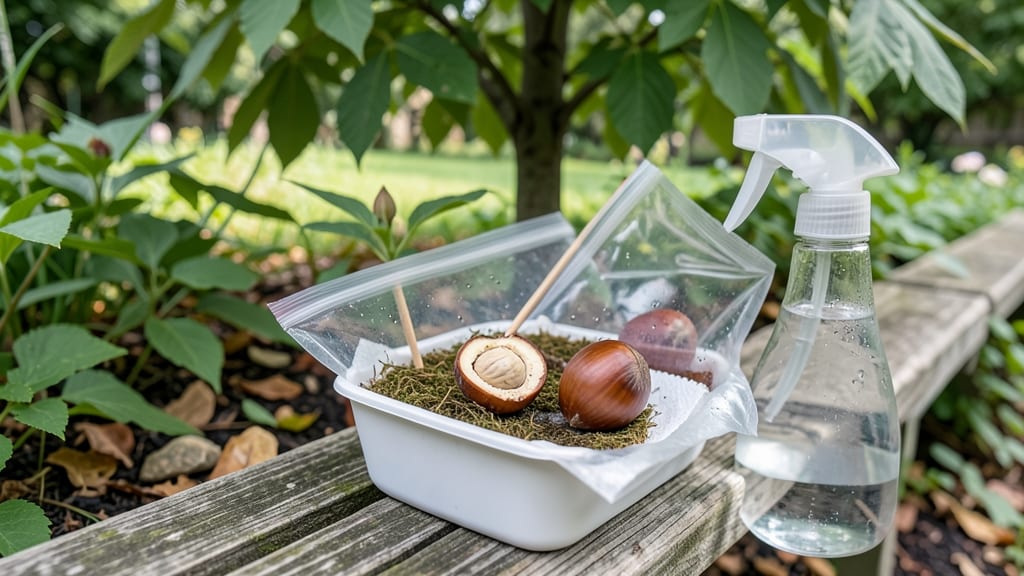
Growing a buckeye tree from a nut is a waiting game that rewards patience with a towering shade tree. 🌱 The secret starts with a cold, damp winter—buckeye seeds need stratification to break their dormancy, just like their wild cousins in forests.
I’ve tried rushing it, and trust me, that’s a recipe for rot. The key is mimicking nature’s timing, which means starting your seeds in late fall or early winter for spring germination.
You’ll need just a few supplies: the nuts themselves (collected fresh from the tree), a breathable container like a paper towel or peat moss, and a plastic bag to create humidity. The process is simple, but the magic happens over time—think of it as a slow-blooming friendship with nature.
Once stratified, you’ll plant them in well-draining soil and keep them moist until those first tiny leaves appear, which can take anywhere from 4 to 8 weeks.
Your seedlings will grow slowly at first, but with the right care—bright, indirect light and consistent moisture—they’ll develop into sturdy saplings ready for transplanting.
By year three, you’ll have a small tree that’s already casting shade, and within a decade, it could reach 30 feet tall with its iconic candelabra-like branches. The best part? Every step feels like a lesson in nature’s rhythm.
Fair warning: buckeye seeds are toxic if ingested, so keep them away from pets and kids. But for gardeners willing to play the long game, there’s nothing quite like watching a seedling you nurtured from scratch grow into a majestic buckeye tree.
The patience pays off in spades—literally, with those glossy, horse-chestnut-like nuts dropping in autumn.
📚 In This Guide
- What you need
- Instructions
- Tips and common mistakes
- Wrapping up and next steps
What you need
- ● Buckeye nuts: 2–3 fresh, healthy nuts (harvested in fall for best results). Ensure they’re plump, firm, and free of cracks or mold.
- ● Potting soil: 1–2 gallons of well-draining, sterile potting mix (or a blend of 50% peat moss + 50% perlite/sand).
- ● Containers: Small pots (4–6 inches in diameter) with drainage holes, or a seed tray with individual cells.
- ● Watering can or spray bottle: For gentle moisture control (avoid soaking!).
- ○ Plastic wrap or humidity dome: To create a mini greenhouse effect (optional but helpful for germination).
- ● Label markers & tags: To track planting dates and varieties (if applicable).
- ● Scissors or pruning shears: For trimming nuts if needed (e.g., removing excess husk).
- ○ Garden gloves: Optional but recommended—buckeye husks can stain!
- ● Growth hormone gel: Speeds up germination for stubborn seeds (like Rootone).
- ● Heating mat: Keeps soil warm (70–80°F) to encourage faster sprouting.
- ● Fertilizer (balanced, low-nitrogen): 5-10-5 or 10-10-10, diluted to half-strength after germination.
- ● Outdoor space: A sunny spot (6+ hours of light daily) for transplanting seedlings later.
- ● Mulch: Wood chips or straw to retain moisture after transplanting.
Step-by-step instructions for growing a buckeye tree from a nut
Buckeye trees grow slowly, but with a little patience, you can nurture one from a nut—here’s how.
🌱 Step 1: Harvest and Prepare the Buckeye Nut
Collect a healthy buckeye nut from the ground in late fall or early winter. Choose one that’s firm, not cracked or shriveled, and free of mold. The nut should feel heavy for its size, indicating full seed viability. If the nut is still attached to its husk, remove it carefully—don’t damage the hard shell.
Scrub the nut gently with a soft brush to remove dirt, then let it dry completely in a warm, dry place for a few days. This prevents rot during storage. Store the nut in a paper bag in a cool, dark spot until you’re ready to plant it. I’ve found that planting fresh nuts in the fall works best, but if you store them, they’ll stay viable for up to a year.
💧 Step 2: Stratify the Nut for Germination
Buckeye nuts need a cold period to break dormancy, a process called stratification. Place the nut in a plastic bag with a damp paper towel—just enough moisture to keep it damp, not soggy. Seal the bag and refrigerate it for 8-12 weeks at 35-40°F. Check the nut weekly; if the towel dries out, mist it lightly.
This cold treatment mimics winter conditions, tricking the nut into thinking it’s time to grow. After 8-12 weeks, remove the nut and plant it immediately. If you forget, don’t worry—buckeye nuts can handle a few extra weeks of cold without harm. The key is consistency in moisture and temperature.
☀️ Step 3: Plant the Stratified Nut in Soil
Fill a small pot—4-6 inches deep—with well-draining potting mix. Plant the nut 1-2 inches deep, with the pointed end facing up. Press the soil gently around the nut to secure it, but don’t pack it too tightly. Water lightly until the soil feels evenly moist, but not waterlogged.
Place the pot in a warm, bright spot with indirect light—like a sunny windowsill or under a grow light. Keep the soil consistently moist, but avoid overwatering. A good rule of thumb: Water when the top inch of soil feels dry to the touch. Germination can take 4-12 weeks, so patience is key. If mold appears, reduce watering slightly.
🌿 Step 4: Transplant the Seedling Outdoors
Once the seedling reaches 6-12 inches tall and has 3-4 sets of true leaves, it’s ready for its first outdoor move. Choose a permanent spot with full sun and well-draining soil. Buckeye trees thrive in USDA Zones 3-9, so check your local climate before planting.
Dig a hole twice as wide as the seedling’s root ball but only as deep as the pot it’s in. Gently remove the seedling, loosen the roots if they’re circling, and place it in the hole. Backfill with soil, tamp lightly, and water deeply. Mulch around the base with 2-3 inches of organic mulch to retain moisture and protect the young roots.
⏰ Step 5: Care for the Young Tree Long-Term
Buckeye trees grow slowly, so give yours time to establish. Water deeply once a week during the first growing season, unless rain provides enough moisture. After the first year, they’re more drought-tolerant, but young trees still need consistent care. Fertilize lightly in spring with a balanced, slow-release fertilizer to encourage strong growth.
Prune only to remove dead or damaged branches in late winter or early spring. Avoid heavy pruning—buckeye trees develop a sturdy, spreading canopy naturally. With time, your buckeye will reward you with glossy leaves, striking seed pods, and a place for wildlife to thrive. It’s a project that teaches patience, and that’s half the joy.
Tips & tricks for growing a buckeye tree from a nut
Growing a buckeye tree from a nut is a rewarding challenge—here’s how to set yourself up for success from the very beginning.
Nut Selection Matters: Look for nuts that are plump and free of cracks or mold. I’ve learned the hard way that even a small crack can invite rot during storage. Tap the nut against your palm—it should sound solid, not hollow. If you find nuts still attached to their husks, remove them carefully with a knife, avoiding any damage to the hard shell. This attention to detail at the start makes all the difference later.
Stratification Success: The 8-12 weeks of refrigeration at 35-40°F is non-negotiable for breaking dormancy. I’ve tried skipping this step, and the nuts simply refused to germinate. Use a clear plastic bag so you can check moisture levels without opening it—just mist the towel if it dries out. Pro tip: Place the bag in the crisper drawer of your fridge where temperatures stay most consistent.
Soil and Light Balance: When planting your stratified nut, use a pot with drainage holes to prevent soggy soil. The 4-6 inch depth recommendation isn’t arbitrary—it gives roots room to develop while keeping the nut stable. For light, indirect sunlight is key during germination. A south-facing window works well, but if your space is dim, supplement with a grow light 12 inches above the pot. Too much direct light can scorch young shoots.
Transplanting Timing: Wait until your seedling has 3-4 sets of true leaves before moving it outside—this means it’s strong enough to handle outdoor conditions. I’ve seen seedlings with just a few leaves struggle in the transition. When choosing a permanent spot, remember buckeye trees need full sun (6+ hours daily) to thrive. Test your location by placing the pot outside for a few hours each day before the final move to acclimate the plant.
Pro Tips for Grow A Buckeye Tree From A Nut
- Growing a buckeye tree from a nut is a rewarding challenge—here’s how to set yourself up for success from the very be...
- Nut Selection Matters: Look for nuts that are plump and free of cracks or mold. I’ve learned the hard way that even a...
- Stratification Success: The 8-12 weeks of refrigeration at 35-40°F is non-negotiable for breaking dormancy. I’ve trie...
Frequently asked questions
Got questions about growing a buckeye tree from a nut? You’re not alone! Here are some of the most common queries—and their answers—to help you navigate this rewarding (but slow) process.
How long does it take for a buckeye nut to sprout?
A buckeye nut can take anywhere from 4 weeks to 6 months to sprout, depending on moisture, temperature, and the nut’s dormancy stage. Patience is key—some nuts germinate faster in warm, damp conditions, while others may need a cold stratification period first. Keep checking!
Do I need to soak the buckeye nut before planting?
Soaking isn’t necessary, but it can speed up germination. If your nut feels dry or hard, soak it in water for 24–48 hours before planting. This helps soften the shell and kickstart the process. Just don’t over-soak—wet rot is a real risk!
Can I plant a buckeye nut outside without cold stratification?
Buckeye nuts thrive with cold stratification (a period of chilly moisture) to mimic winter. If you plant directly outside in a mild climate, germination may be slow or inconsistent. For best results, refrigerate the nut in damp peat moss for 6–8 weeks before planting in spring.
How big should my buckeye seedling be before transplanting?
Wait until your seedling has 2–3 sets of true leaves (not the initial seed leaves) and is at least 4–6 inches tall before transplanting. Harden it off for a week by placing it outside in partial shade, then choose a permanent spot with well-draining soil and full sun.
Why isn’t my buckeye nut sprouting? Troubleshooting tips.
If your nut refuses to sprout, check these common issues:
- Dry soil: Buckeye nuts need consistent moisture—keep the soil damp but not soggy.
- Improper stratification: If you skipped the cold period, try refrigerating the nut for 2–3 months.
- Rotten nut: If moldy or mushy, discard it and try a fresh, firm nut.
- Poor drainage: Overwatering can suffocate the nut—use a mix of sand and peat moss.
Still stuck? Try scratching the nut’s shell lightly to encourage water uptake!
Wrapping up and next steps
Growing a buckeye tree from a nut is a rewarding journey that blends patience with the joy of nurturing life from scratch. 🌱 With the right soil, sunlight, and care, your tiny seed can transform into a majestic tree—proof that nature’s timelines are worth the wait.
Now that you’re armed with knowledge, why not plant that nut today? Watch it sprout, grow, and flourish into a symbol of resilience and beauty in your garden.