
How To
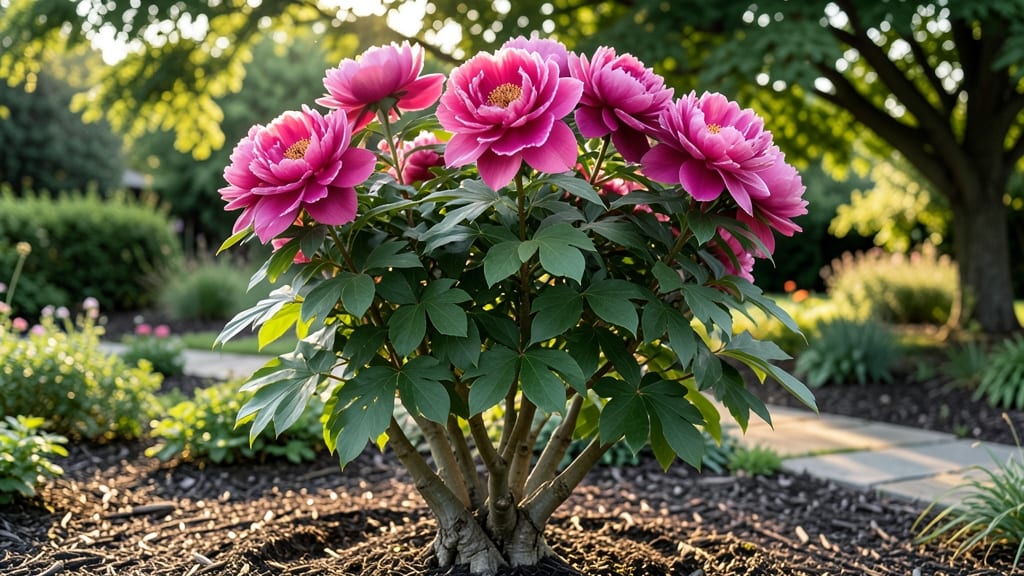
Tree peonies grow between 3 and 5 feet tall at maturity, but some varieties stretch up to 8 feet—and that height makes all the difference in your garden plan.
Imagine a woody-stemmed shrub bursting with 5-inch blooms every spring, its branches heavy with fragrance. That’s the potential of tree peonies, but their size varies wildly depending on the cultivar.
A dwarf variety might stay under 3 feet, while a giant like ‘Tahiti’ can reach 10 feet—so choosing the right one means planning for years of drama or compact elegance.
Height isn’t just about space, though. The right placement ensures your tree peony thrives: too much shade stunts growth, while full sun fuels those towering stems. And if you’re worried about overcrowding, pruning techniques can help control their size without sacrificing those showstopping blooms.
In this guide, I’ll break down exact height ranges by cultivar, spacing tips for your garden layout, and how to keep your tree peony healthy and happy—no matter how tall it dreams of growing.


Tree peony height ranges by cultivar: from dwarf to giant varieties
Tree peonies offer a stunning range of heights, from dwarf varieties perfect for small gardens to giant cultivars that create dramatic focal points. Understanding these height ranges helps you plan spacing, companion plants, and overall garden layout for years of vibrant blooms.
Whether you're working with a 6-foot border or a sprawling landscape, choosing the right cultivar ensures your tree peonies thrive without overcrowding.
Most tree peonies reach maturity between 5 to 10 feet, but some dwarf varieties stay under 3 feet, while the tallest can exceed 10 feet. Growth rates vary by cultivar, with some gaining 12 inches per year and others growing more slowly.
In my own garden, I’ve seen 'Koi Nodoki' remain compact while 'Tahiti' stretches toward the sky—both stunning in their own ways but requiring very different growing conditions.
Here’s a quick reference for popular tree peony cultivars, organized by height category. Use this as your guide when selecting plants for your garden design, ensuring you account for both mature height and spread to avoid future pruning headaches.
| Cultivar | Height Range | Spread | Best For |
|---|---|---|---|
| 'Koi Nodoki' | 2–3 ft | 3–4 ft | Containers, small gardens, rockeries |
| 'Shin Shirakawa' | 3–4 ft | 4–5 ft | Borders, mixed shrub beds |
| 'Tahiti' | 8–10 ft | 6–8 ft | Specimen planting, focal points |
| 'Kifukurin' | 4–5 ft | 5–6 ft | Medium borders, hedges |
| 'Shin Yuuzuki' | 6–8 ft | 5–7 ft | Back of borders, woodland edges |
Dwarf tree peonies like 'Koi Nodoki' are ideal for containers or small gardens, while 'Tahiti' and similar giants demand space as specimen plants.
When planning, consider not just height but also the spread of each cultivar—some varieties like 'Shin Shirakawa' can spread nearly as wide as they are tall, requiring careful placement.
For small gardens, I recommend sticking to dwarf or semi-dwarf varieties, which mature between 3 to 5 feet. These work beautifully in rock gardens, containers, or mixed borders where space is limited.
In my front yard, I planted 'Shin Shirakawa' along a 3-foot-tall fence, creating a lush, fragrant curtain without overwhelming the space.
If you’re aiming for a dramatic statement, giant tree peonies like 'Tahiti' or 'Shin Yuuzuki' will steal the show. These cultivars thrive when planted as solitary focal points, surrounded by low-growing perennials to highlight their towering blooms.
Just ensure they’re placed where their sprawling canopies won’t shade out sun-loving neighbors.
One common mistake is underestimating the mature spread of tree peonies. Even dwarf varieties can spread 3 to 4 feet, so plant them 3 to 4 feet apart to prevent overcrowding.
In my experience, giving them room to breathe improves airflow, reducing the risk of fungal diseases like powdery mildew—a frequent issue in dense plantings.
For urban gardens or patios, consider container-growing dwarf tree peonies. Choose large pots with drainage holes and use a well-draining soil mix to mimic their natural growing conditions.
I’ve successfully grown 'Koi Nodoki' in 18-inch pots for years, moving them to different spots each season to extend their display.
When selecting cultivars, also consider their bloom time and color, as these influence how you’ll use them in your design.
For example, 'Tahiti' blooms late with pale pink flowers, making it a great companion for early spring bulbs, while 'Shin Shirakawa' offers double white blooms that pair beautifully with purples and blues.
Pro tip: If you’re unsure about a cultivar’s height, check with your local nursery or grower for firsthand observations
How tree peony height affects garden design and spacing needs
Tree peonies aren’t just stunning—they’re architectural plants that can transform your garden’s structure. Their mature height determines everything from spacing needs to companion plantings, making it critical to match your garden’s scale.
A dwarf variety like 'Koi Nodoki' stays under 3 feet tall, perfect for small gardens or container growing, while giants like 'Tahiti' can reach 10 feet or more, commanding attention as focal points.
When planning your garden layout, think about sunlight exposure first. Tree peonies thrive in full sun (6+ hours daily), but their height affects how they cast shade. Taller varieties can block sunlight for nearby plants, so place them strategically.
For example, a 6-foot peony should be positioned where it won’t overshadow delicate perennials like hostas or daylilies, which prefer partial shade.
🌸 Tree Peony Height Guide for Garden Planning
Spacing Rule: 3–4 ft apart for dwarf varieties, 6–8 ft for giants. Avoid overcrowding to prevent disease and competition.
For small gardens, opt for dwarf or semi-dwarf tree peonies and pair them with low-growing companions like ajuga or creeping thyme. These ground covers add texture without competing for space.
In larger landscapes, use taller varieties as focal points, surrounded by medium-height perennials like black-eyed Susans or coneflowers to create depth and balance.
Proper spacing between plants is non-negotiable. A 6-foot peony needs at least 6 feet of clearance from other shrubs to avoid root competition and improve airflow. If you’re planting multiple tree peonies, arrange them in odd-numbered groupings (3, 5, or 7 plants) to create natural, eye-catching clusters.
This approach works especially well in border gardens or mixed shrub beds.
Don’t forget to consider future growth when designing your layout. Even dwarf varieties will gradually fill out, so give them room to spread their woody stems without becoming congested. If space is limited, prune selectively in early spring to control height, but avoid heavy pruning, which can reduce flowering.
For giant cultivars, stake young plants to prevent flopping stems and ensure they grow upright for maximum impact.
Finally, use tree peonies to define garden zones. Place a tall variety near a patio or entryway to create a grand entrance, while dwarf types work beautifully in container gardens or along walkways.
With the right spacing and companions, your tree peonies will not only thrive but also elevate your garden’s design with their season-long interest, from early spring blooms to late-fall foliage. 🌿