
Pruning
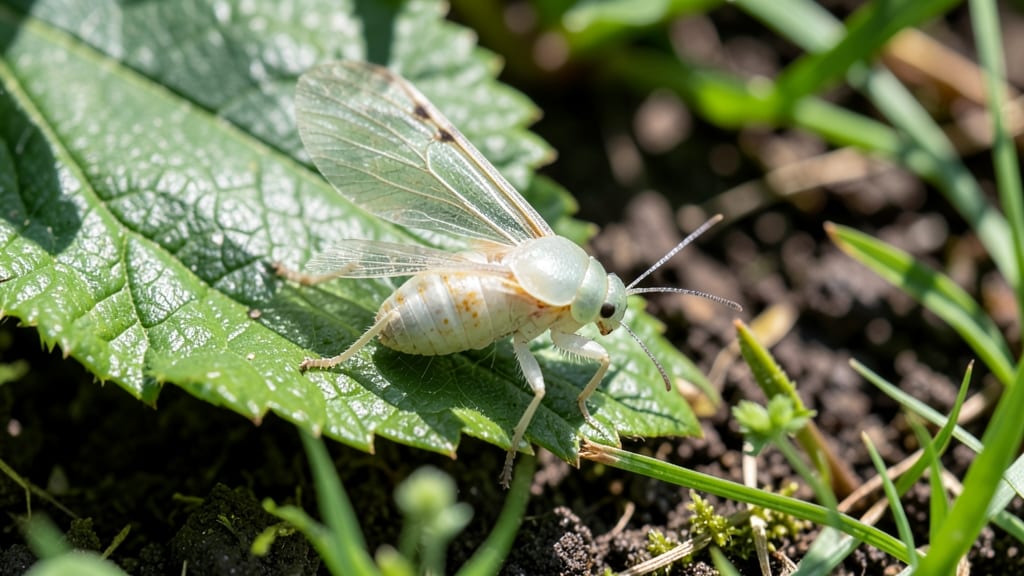
Hackberry trees get hit hardest by insects like spider mites, scale, and Japanese beetles—yet I’ve kept mine thriving for years without a single chemical spray. 🌿 The key lies in early detection (that sticky residue on leaves? Scale) and simple, targeted fixes that work faster than you’d think.
Most gardeners panic when they see holes or webbing, but hackberries handle stress surprisingly well if you act fast. I’ve found that a strong spray of water first thing in the morning dislodges up to 90% of spider mites, while neem oil tackles scale without harming beneficial insects.
Even Japanese beetles retreat when you mix their favorite plants with strong-smelling herbs like rosemary.
By late summer, your tree will look like it just shrugged off the whole thing—dark green leaves, no new damage, and a canopy that keeps growing stronger each season. The secret isn’t avoiding pests; it’s outsmarting them before they become a real problem.
Works for both young saplings and mature trees, and the same principles apply whether you’re dealing with aphids or borers. Let’s get your hackberry back to its best in no time.
Root Causes of Hackberry Tree Pests
Hackberry trees (Celtis spp.) are beloved for their shade, wildlife benefits, and striking bark—but they’re also a magnet for insects. Understanding why these pests target your tree is the first step to managing them naturally and effectively.
Below, we break down the key factors that turn your hackberry into an all-you-can-eat buffet for bugs.
Hackberry trees produce high-protein, soft leaves that are a nutritional goldmine for many insects. Species like the hackberry nipple gall maker and hackberry psylla thrive on the tree’s sap and tender foliage because:
- High nitrogen content: Hackberries naturally grow in soils rich in nitrogen, which boosts leaf protein—making them irresistible to herbivorous insects.
- Thin leaf cuticle: Unlike oak or maple leaves, hackberry leaves have a delicate waxy layer, allowing pests like aphids and mites to pierce and feed easily.
- Year-round food source: Hackberries often retain leaves late into autumn, providing a consistent food supply for insects when other trees have gone dormant.
Actionable insight: If your tree is over-fertilized with nitrogen (e.g., from lawn runoff or excessive compost), it may become even more attractive to pests. Balance soil nutrients with a soil test and adjust fertilization practices.
Stress is the #1 invitation for insects to move in. Hackberry trees under duress—whether from drought, disease, or poor pruning—become easy targets for secondary pests. Common stressors include:
| Stressor | How It Attracts Insects |
|---|---|
| 💧 Drought stress | Reduces leaf turgor pressure, making it easier for sap-sucking insects (e.g., spider mites) to penetrate tissues. |
| 🍄 Fungal infections (e.g., powdery mildew) | Weakens the tree’s defenses, allowing gall-forming insects to exploit compromised areas. |
| ✂️ Poor pruning practices | Over-pruning or improper cuts expose raw wounds, which attract borers (like the hackberry clearwing moth) seeking moist wood. |
| 🌡️ Extreme temperature swings | Shocked trees produce abnormal growth (e.g., water sprouts), which are prime hiding spots for psylla eggs. |
Pro tip: 🌡️ Monitor your tree’s health year-round. Deep watering during droughts, proper pruning (✂️ cut at a 45° angle), and fungicide-free treatments (like neem oil) can reduce stress-related pest outbreaks.
Hackberry trees in urban or suburban settings often face overcrowding, which creates the perfect storm for insect infestations. Here’s why:
- Reduced airflow: Dense plantings or nearby structures limit air circulation, trapping humidity and pollen—ideal conditions for scale insects and whiteflies.
- Shared pests: Trees in close proximity cross-contaminate insects. For example, a single infested hackberry can spread hackberry psylla to neighboring trees via wind or birds.
- Altered microclimates: Buildings or fences can create warmer, sheltered zones where insects like borers overwinter successfully.
Solution: 🌳 Prune for spacing—aim for 6–10 feet of clearance between your hackberry and structures/walls. Thinning canopy layers also improves airflow and reduces pest hiding spots.
Hackberry trees are particularly vulnerable during specific life stages of their growth cycle, which aligns with peak insect activity. Key seasonal triggers include:
- Spring flush: New leaves in April–May are most nutritious, drawing in aphids and leaf miners.
- Summer heat: Drought-stressed trees in July–August attract spider mites and borers seeking moisture.
- Fall sap flow: As temperatures drop, psylla and gall makers exploit the tree’s increased sap production to lay eggs.
💡 Data-driven tip: Use a degree-day model (track local temps via NOAA) to predict peak pest emergence. For example, hackberry psylla typically emerges when temps hit 50°F for 5 consecutive days.
Next up: Learn how to identify specific hackberry pests and their damage patterns—so you can act before they take over!
Practical ways to manage tree pests
Dealing with hackberry tree insects doesn’t have to mean reaching for harsh chemicals. With the right strategies, you can restore your tree’s health naturally while keeping your garden safe for wildlife and kids.
Below are targeted solutions for common pests, organized by cause, along with prevention tips to keep your tree thriving long-term.
Spider mites, aphids, and scale insects drain sap from leaves, causing yellowing, stippling, or sticky residue (honeydew). Here’s how to tackle them:
#### 💦 Step 1: Blast Them Off with WaterUse a hose with a strong spray nozzle to dislodge pests from leaves and branches. Focus on the undersides of leaves where mites hide.
Pro Tip: Do this in the early morning when pests are least active. Repeat every 3–5 days for severe infestations. 🌞
#### 🌿 Step 2: Apply Insecticidal Soap or Neem OilMix 1–2 tablespoons of insecticidal soap or neem oil per gallon of water, then spray thoroughly (including stems and bark). Reapply every 5–7 days until pests disappear.
Why It Works: These break down the pests’ protective coatings without harming beneficial insects like ladybugs. 🐞
#### 🌱 Prevention: Encourage Natural PredatorsPlant dill, fennel, or marigolds nearby to attract predatory wasps and lacewings, which feast on spider mites. A healthy tree with balanced soil (test pH!) resists infestations better. 💡
These tiny, jumping insects cause curled leaves and sticky honeydew. They’re most active in spring and summer.
#### ✂️ Step 1: Prune Infested BranchesCut and remove heavily damaged leaves/branches (especially new growth) in early spring before eggs hatch. Bag and dispose of clippings off-site to prevent reinfestation. ⏰
#### 🕷️ Step 2: Use Yellow Sticky TrapsHang yellow sticky cards near the tree to catch adult psyllids. Place traps 1–2 feet above the ground and check weekly. Replace when saturated. 🎯
#### 🌿 Prevention: Boost Tree ResilienceApply a layer of mulch (2–3 inches) around the base to retain moisture and reduce stress. Overwatering attracts psyllids, so water deeply but infrequently. 🌡️
These microscopic worms attack roots, stunting growth and causing wilting. They’re harder to spot but leave a sandy, gnarled root system when dug up.
#### 🌱 Step 1: Solarize the Soil (Best for Small Trees)Cover the root zone with clear plastic sheeting for 4–6 weeks in hot weather (above 90°F). The sun’s heat kills nematodes without chemicals. 🔥
#### 💧 Step 2: Amend Soil with Beneficial FungiMix mycorrhizal fungi (available at garden centers) into the soil. These fungi form a protective layer around roots, outcompeting nematodes. Reapply annually. ✨
#### 🚫 Prevention: Avoid Overwatering & Compacted SoilNematodes thrive in soggy, compacted soil. Improve drainage with organic matter (compost or coconut coir) and avoid heavy foot traffic near the tree. 💪
Pests often target stressed trees. Use these tips to make your hackberry less appealing:
#### 🌿 Feed with Organic FertilizerUse a balanced, slow-release fertilizer (like 10-10-10) in early spring. Avoid high-nitrogen fertilizers, which attract sap-suckers. 📊
#### 💧 Water Deeply, Not FrequentlyWater once a week (1–2 inches deep) rather than daily shallow watering. This encourages deep root growth and deters pests. 💦
#### 🌳 Monitor & Act EarlyCheck your tree weekly for early signs (holes, chewed leaves, webbing). The sooner you act, the easier it is to control outbreaks. 👀
Remember: Patience is key! Some treatments take 2–4 weeks to show results. Combine methods for the best outcome, and your hackberry will bounce back stronger than ever. 🌳💚
Frequently asked questions
What are the most common insects that attack hackberry trees?
Hackberry trees often face spider mites, hackberry psylla, scale insects, and borers. Spider mites leave fine webbing, while psylla cause curled leaves with sticky honeydew. Scale creates bumps on branches, and borers tunnel into wood, creating sawdust-like frass.
How do I know if my hackberry tree has an insect problem?
Watch for yellowing leaves, holes in foliage, sticky residue (honeydew), or webbing. Check undersides of leaves for tiny pests. If you see wilting or stunted growth, it may indicate root-feeding nematodes or borer damage.
Can I use neem oil on hackberry trees?
Yes! Neem oil is excellent for treating spider mites, scale, and psylla. Mix 1 tablespoon per gallon of water and spray thoroughly. Reapply every 5-7 days until pests disappear. Apply in early morning or late evening to avoid harming bees.
Will pruning help control hackberry tree insects?
Prune in late winter or early spring to remove infested branches. Focus on areas with heavy damage or webbing. Sterilize pruners with rubbing alcohol between cuts to prevent spreading pests.
Are there any natural predators that help control hackberry pests?
Yes! Ladybugs, lacewings, and parasitic wasps eat spider mites and psylla. Plant nearby flowers like dill or marigolds to attract these beneficial insects. A healthy tree with balanced soil also resists infestations better.