
Pruning
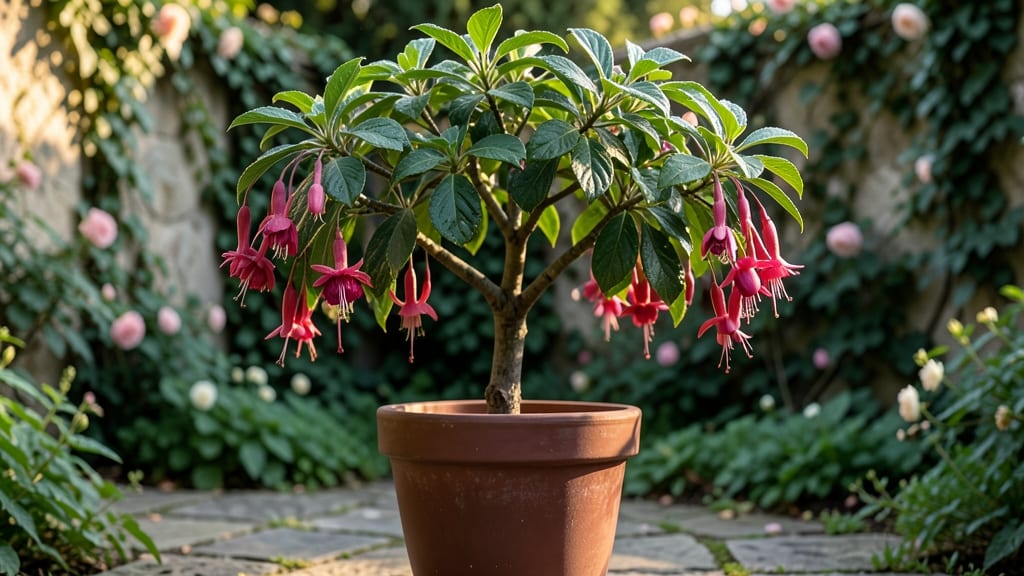
The care of a fuchsia tree brings that dramatic, cascading beauty to gardens—but only if you trim them right. 🌿 I’ve watched mine go from scraggly to show-stopping in just a few cuts, and the secret isn’t complicated: it’s about timing, technique, and knowing when to back off.
These plants thrive on attention, but they hate being overpruned or neglected, especially when frost rolls in.
The key starts with light and soil: fuchsias crave bright, indirect light (think dappled shade) and well-draining, acidic soil. Too much sun scorches the leaves, while heavy clay smothers the roots. Water deeply but let the top inch dry out—soggy soil is a fast track to root rot.
And here’s the plot twist: fertilize lightly in spring, but cut back in fall. Overfeeding late in the season leads to weak growth that won’t survive winter.
When pruning, think “shape, not size”. Snip back leggy stems in early spring to encourage bushier growth, but never cut more than a third of the plant at once.
Deadhead spent blooms to coax more flowers, and in frost-prone zones, wrap young plants in burlap before temperatures dip below 28°F. The payoff? A fuchsia that blooms from summer through fall, with lush foliage that turns deep emerald in cooler months.
Common mistakes? Pruning too late (after frost) or using dull shears (which crush stems). Start early, keep tools sharp, and watch your fuchsia transform from a struggling shrub to the star of your garden. The best part? Even black thumbs can nail this—just follow the seasonal rhythm.
📚 In This Guide
- What you need
- Instructions
- Tips and common mistakes
- Wrapping up and next steps
What you need
- ● Pruning shears – Bypass pruners (sharp, clean, and sterilized to prevent disease).
- ● Hand pruners – For smaller branches (2-3 inches in diameter).
- ● Loppers – For thicker branches (3-6 inches in diameter).
- ● Disinfectant – 70% isopropyl alcohol or bleach solution (1 part bleach to 9 parts water) for sterilizing tools.
- ● Gloves – Garden gloves (nitrile or leather) to protect hands from thorns and sap.
- ○ Pruning sealant – Optional but helpful (e.g., Tanglefoot Tree Wound Pruning Seal) for large cuts to prevent disease.
- ● Buckets or bags – For collecting pruned branches (2-3 gallon capacity recommended).
- ● Watering can or hose – For post-pruning hydration.
- ● Fertilizer – Balanced, slow-release fertilizer (e.g., 10-10-10 or 20-20-20) for post-trimming recovery.
- ● Extension pole – For high branches (e.g., 4-6 foot telescoping pole).
- ● Safety glasses – To protect eyes from debris.
- ● Mulch – Organic mulch (2-3 inches) (e.g., wood chips or shredded bark) to retain moisture.
- ● Plant food spray – For a quick nutrient boost after pruning.
- ● Notebook & pen – To track pruning dates and growth patterns.
Step-by-Step guide to maintaining a thriving fuchsia tree
Here’s how I keep my fuchsia trees blooming beautifully through every season—with simple, seasonal adjustments.
🌿 Step 1: Prune for Shape and Health After Winter Dormancy
Start your fuchsia tree’s new season by pruning in early spring, just as new growth begins. I cut back leggy stems by about one-third to encourage bushier growth and better airflow. Use clean, sharp pruners to make cuts just above a leaf node—this prevents disease and promotes healing.
Focus on removing any dead or damaged branches first. You’ll know a branch is dead if it’s brittle and snaps easily when bent. Next, trim back any stems that grew too long over winter. This step is critical for shaping your tree and preventing overcrowding, which can lead to fewer blooms.
☀️ Step 2: Provide Bright, Indirect Light and Consistent Moisture
Fuchsia trees thrive in bright, indirect light—think of a spot near a window but not in direct afternoon sun, which can scorch the leaves. If you notice leaves yellowing or wilting, it’s a sign of too much sun. Rotate your tree occasionally so it grows evenly, and watch for new growth pointing toward the light.
Water deeply when the top inch of soil feels dry to the touch. Fuchsias hate soggy roots but also despise drought. I like to water in the morning so the foliage has time to dry before evening. During hotter months, you may need to water every 2-3 days, but always check the soil first—overwatering is the fastest way to lose a fuchsia tree.
✂️ Step 3: Deadhead Spent Blooms and Encourage Continuous Flowering
Pinch or snip off faded blooms just above the next set of leaves to keep your fuchsia tree looking tidy and encourage more flowers. This simple step tricks the plant into focusing its energy on producing new buds instead of seeding old ones. I do this every 2-3 weeks during the growing season to maintain that lush, vibrant look.
If your fuchsia starts producing seed pods, remove them immediately—they drain energy from the plant. You’ll know it’s time to deadhead when blooms start wilting or turning brown. A quick trim with clean scissors keeps the tree healthy and blooming for months.
🪴 Step 4: Fertilize Lightly and Repot as Needed for Seasonal Growth
Feed your fuchsia tree with a balanced, water-soluble fertilizer every 4-6 weeks during spring and summer. I dilute it to half-strength to avoid burning the roots, which fuchsias are sensitive to. Stop fertilizing in fall to let the plant prepare for dormancy. You’ll notice new leaves and buds forming within a few weeks of consistent feeding.
If your tree outgrows its pot, repot it in early spring using a well-draining potting mix. Choose a container just 1-2 inches larger in diameter than the current one—too much space can lead to root rot. Gently loosen the roots before repotting to encourage them to spread into the new soil.
⏰ Step 5: Adjust Care for Winter Dormancy and Year-Round Success
As temperatures drop below 50°F at night, reduce watering and stop fertilizing entirely. Move your fuchsia tree to a cooler, bright but indirect spot indoors, like a sunny windowsill or under grow lights. You’ll see growth slow down, which is normal—this is the plant’s way of conserving energy for next season.
Check the soil occasionally and water only when it’s completely dry. Overwatering in winter is a common mistake that leads to root rot. If your fuchsia loses leaves, don’t worry—it’s preparing for dormancy. Keep an eye out for pests like spider mites, which love dry indoor air, and treat them immediately with neem oil if you spot any.
Tips & tricks for perfect fuchsia tree care
Here's what nobody tells you about keeping your fuchsia thriving—these tricks make all the difference between a struggling plant and a showstopper.
Pruning Precision: When you're cutting back those leggy stems in Step 1, aim to prune just above a leaf node where new growth emerges. This is where the magic happens—the plant will send out fresh shoots from that exact spot. I always make my cuts at a slight angle to prevent water from pooling, which can rot the stem. And here's the thing: don't be afraid to get bold with your cuts. A well-pruned fuchsia will reward you with bushier growth and more blooms than you can imagine.
Lighting Secrets: That bright, indirect light in Step 2 is non-negotiable, but I've learned the hard way about the sneaky ways too much sun can sneak in. If you notice crispy edges on leaves, it's a dead giveaway your plant is getting more direct sun than it should. Try moving it back 6 inches from the window or use a sheer curtain to diffuse the light. And here's a pro move: rotate your fuchsia every few weeks so it grows evenly—you'll notice the difference in how balanced and full it looks.
Deadheading Discipline: The 2-3 week deadheading schedule in Step 3 is your secret weapon for non-stop blooms. But here's what I didn't realize until I started paying attention: the timing matters. Always snip just above a set of leaves where new growth can emerge. If you cut too close to the stem, you might accidentally remove potential blooming points. I keep a small pair of sharp scissors dedicated just to this task—it makes the process feel more intentional and keeps my tools clean for disease prevention.
Fertilizer Finesse: That 4-6 week feeding schedule in Step 4 is perfect, but I've found fuchsias actually respond better to more frequent, lighter feedings. Instead of waiting the full 6 weeks, I feed every 3 weeks using half the recommended dose. This mimics natural growing conditions better and prevents fertilizer burn. And here's a tip that saved my plants: always water thoroughly before fertilizing—this helps distribute the nutrients evenly through the soil and prevents salt buildup that can damage roots.
Pro Tips for Fuchsia Tree Care
- Here's what nobody tells you about keeping your fuchsia thriving—these tricks make all the difference between a strug...
- Pruning Precision: When you're cutting back those leggy stems in Step 1, aim to prune just above a leaf node where ne...
- Lighting Secrets: That bright, indirect light in Step 2 is non-negotiable, but I've learned the hard way about the sn...
Frequently asked questions
Got questions about keeping your fuchsia tree thriving?
Here are answers to the most common concerns—from pruning to pests and beyond!
When is the best time to prune a fuchsia tree?
Prune your fuchsia tree after flowering (late spring to early summer) to encourage new growth. Light trimming can also happen in early spring to shape the tree, but avoid heavy cuts then—it may delay blooms. Pro tip: Deadhead spent flowers regularly to prolong the blooming season!
How do I protect my fuchsia tree in winter?
Fuchsias are tender perennials—most can’t survive frost. In cold climates, dig up potted fuchsias and store them in a cool, dry place (like a garage) with minimal water. For in-ground plants, mulch heavily and wrap the trunk in burlap. Wait to prune until spring!
What should I do if my fuchsia tree has pests?
Common pests include aphids, spider mites, and whiteflies. Start with a mild soap spray (1 tsp dish soap + 1 quart water) for light infestations. For severe cases, use neem oil or insecticidal soap. Encourage beneficial insects like ladybugs by planting nearby herbs like basil or dill.
Can I grow a fuchsia tree in a container?
Fuchsias thrive in containers with well-draining soil and a 10-12 inch pot (minimum). Use a balanced fertilizer (like 10-10-10) every 4-6 weeks during growing season. Rotate the pot occasionally for even sunlight exposure. Just avoid overwatering—containers dry out faster!
Why aren’t my fuchsias blooming?
Lack of blooms often stems from too much shade, over-fertilizing with nitrogen, or inconsistent watering. Ensure your tree gets 4-6 hours of sunlight daily and use a low-nitrogen, high-phosphorus fertilizer (like 5-10-5) to promote flowers. Prune leggy growth to encourage bushier, bloom-heavy branches.
Wrapping up and next steps
Caring for your fuchsia tree is all about balancing patience and precision—seasonal trimming keeps it lush, blooming, and thriving year-round! 🌸 With the right tools, timing, and techniques, you’ll enjoy vibrant flowers and healthy growth for seasons to come.
Now that you’re armed with expert tips, roll up your sleeves and give your tree the love it deserves—start by scheduling your next trim and watch your fuchsia flourish!
Next step: Grab your pruners and head outside—your tree’s waiting for you! 🌿