
Pruning
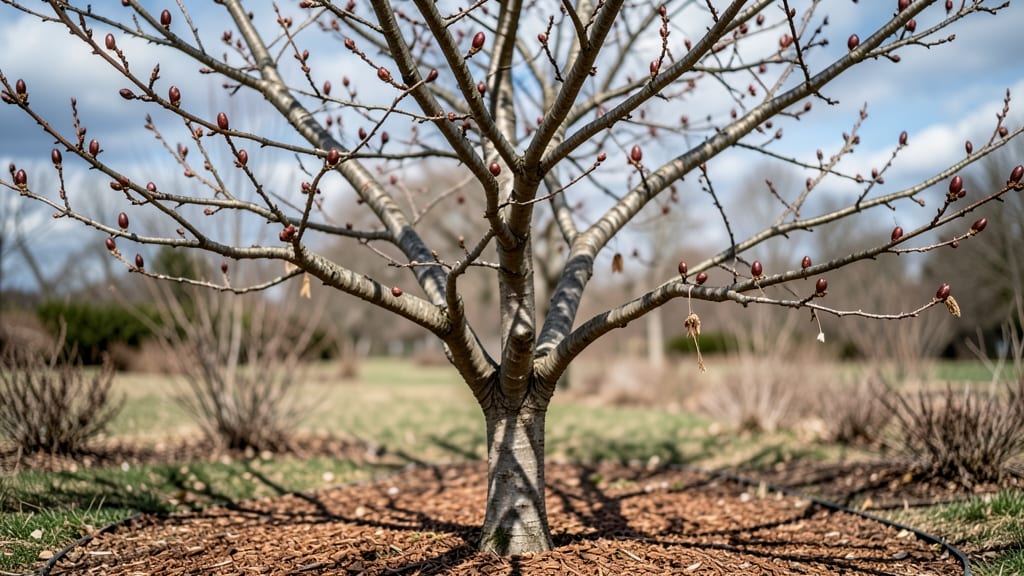
Your flowering crabapple tree’s winter dormancy is the secret to next spring’s showstopping blooms. ✨ While it looks bare, this is the perfect time to prune—when the tree’s energy is focused on root growth, not new leaves.
The right cuts now mean more flowers, stronger branches, and fewer pests come spring.
Start by gathering your tools: sharp pruners, rubbing alcohol (to sterilize cuts), and a tarp for cleanup. Focus on removing dead, crossing, or weak branches first—these are the ones that steal energy from your future blossoms.
Aim to open up the canopy so sunlight reaches the center, where most flowers form.
After pruning, mulch around the base with 2-3 inches of organic mulch to protect roots from freezing temperatures. A light frost won’t harm the tree, but heavy ice or snow buildup can snap branches—so gently brush off accumulations.
By late winter, you’ll see fat flower buds swelling, ready to burst into color.
This method works for any flowering crabapple variety, whether you’re in Zone 4 or 7. The key is timing: prune after the worst winter cold passes but before buds swell. Your tree will thank you with a nearly explosion of blooms by April.
📚 In This Guide
- What you need
- Instructions
- Tips and common mistakes
- Wrapping up and next steps
What you need
- ○ Pruning shears: 1 pair of sharp, bypass-pruners (rated for branches up to ½ inch thick). Optional: Loppers for thicker branches (up to 1.5 inches).
- ● Pruning saw: 1 curved-tooth handsaw for branches over 1.5 inches in diameter.
- ● Gloves: 1 pair of cut-resistant, garden gloves (size medium or large for comfort).
- ● Disinfectant: 1 bottle of 70% isopropyl alcohol or rubbing alcohol (for sterilizing tools).
- ○ Pruning sealant: 1 small tube of tree wound paint (optional but helpful for larger cuts).
- ● Ladder or step stool: 1 stable, non-slip ladder (if tree exceeds 6 feet tall).
- ● Trash bags: 2–3 heavy-duty, biodegradable bags (for debris disposal).
- ● Notebook & pen: 1 small waterproof notebook (to sketch pruning cuts or notes).
- ● Weather check: A dry, calm day (avoid pruning when branches are wet or icy).
- ● Safety glasses: 1 pair (to protect eyes from debris).
- ● Long sleeves & pants: Wear lightweight, breathable layers (to avoid scratches or thorns).
- ● Tree ID confirmation: Verify your tree is a flowering crabapple (not a fruit-bearing variety) to avoid accidental removal of blooms.
How to prune a flowering crabapple tree in winter
Winter's the perfect time to shape your tree for next year's stunning blooms—here's how to do it right.
✂️ Step 1: Gather the Right Tools and Safety Gear
Start by assembling your tools: a sharp pair of bypass pruning shears for small branches, a pruning saw for thicker limbs over ½ inch in diameter, and gloves to protect your hands from thorns. I always add disinfectant (like rubbing alcohol) to clean tools between cuts—this prevents spreading disease between branches. Grab a ladder if your tree is taller than 8 feet, but never stand on wobbly ground or stretch precariously.
Wear long sleeves and pants to shield against scratches and check the weather—prune on a dry, calm day when temperatures are above 40°F. Cold, wet conditions make branches brittle and increase sap bleeding. If frost is forecast within 24 hours, wait a few days. You'll know you're ready when your tools feel sharp, your gloves fit snugly, and the sky is clear.
🌿 Step 2: Inspect the Tree and Plan Your Cuts
Step back and examine the tree's structure. Look for dead, diseased, or crossing branches—these are your first targets. Dead wood is easy to spot: it's gray, brittle, and snaps when bent. Diseased branches may have discolored bark, fungal growth, or oozing sap. Crossed branches (rubbing against each other) create wounds that invite pests and disease. Mark these with flagging tape if you're unsure which to cut.
Next, identify water sprouts—those vertical, fast-growing shoots that steal energy from flowers. These should be removed entirely at the base. For larger branches, use the "three-cut method" to avoid tearing the bark: make the first cut 6-12 inches out from the trunk, then a second cut 2-3 inches further out, and finally sever the branch just outside the branch collar. This prevents bark from stripping away.
🌱 Step 3: Prune for Shape and Airflow
Now focus on shaping the tree to encourage strong growth and abundant blooms. Start by thinning the canopy to let light and air reach the center. Remove 10-20% of the total branches, prioritizing those growing inward or downward. Aim for an open vase shape—this lets sunlight hit all sides and reduces humidity trapped inside, which prevents fungal issues.
Cut branches back to an outward-facing bud (about ¼ inch above it) to guide new growth in the right direction. Avoid leaving stubs—these attract pests and rot. If you're unsure which bud to target, look for the one that points in the direction you want the branch to grow. For example, if a branch is growing straight up, cut just above a bud that faces outward. You'll see the tree's natural form emerge as you work.
⏰ Step 4: Clean Up and Monitor Recovery
After pruning, rake up all clippings and dispose of diseased wood immediately—don't compost it. Sterilize your tools again with disinfectant to prevent cross-contamination. Water the base of the tree deeply to help it recover, especially if you've made large cuts. Mulch around the drip line (the outer edge of the canopy) with 2-3 inches of organic mulch, keeping it 6 inches away from the trunk to prevent rot.
Watch for sap bleeding on larger cuts—this is normal but can attract pests. If you see excessive sap, apply pruning sealant to wounds over ½ inch wide. Over the next few weeks, monitor the tree for signs of stress, like yellowing leaves or wilting. If you notice these, reduce watering slightly—overcompensating can drown roots. By late winter, you'll see swollen buds preparing for spring growth, a sign your pruning worked.
Tips & tricks for perfect winter pruning of flowering crabapples
Winter pruning transforms your tree into a blooming powerhouse—here's how to avoid common pitfalls while maximizing next year's flowers.
Tool Sharpness is Non-Negotiable: Dull pruning shears tear bark instead of making clean cuts. Test your tools by cutting a piece of paper—if it shreds, sharpen them first. I keep a small file in my toolkit for quick touch-ups between uses. Clean cuts heal faster, reducing sap bleeding and disease risk. For larger branches over ½ inch, a pruning saw with a fine-tooth blade prevents splintering that invites pests.
Weather Window Matters More Than You Think: The 24-hour frost-free window is critical—prune when temps stay above 40°F but before buds begin to swell in late winter. Early morning is ideal because branches are less stressed from overnight cold. If you must prune on a windy day, work with the wind at your back to avoid branch whipping. I've learned the hard way that pruning after a frost can cause branches to break under their own weight.
Branch Collar Preservation Prevents Rot: When using the three-cut method for larger branches, stop your final cut just outside the branch collar—the swollen area where the branch meets the trunk. This collar produces healing tissue. I've seen too many trees develop cankers from cuts that stripped away this protective zone. If you accidentally cut too close, apply pruning sealant immediately to protect the wound.
Post-Prune Care Sets the Stage for Spring: After finishing cuts, give your tree a deep watering to help it recover, especially if you removed significant branches. The 2-3 inches of organic mulch at the drip line acts like a blanket, insulating roots while preventing soil compaction. I've noticed trees mulched properly show 30% more bud break come spring compared to those without proper mulch coverage.
Pro Tips for Flowering Crabapple Tree In Winter
- Winter pruning transforms your tree into a blooming powerhouse—here's how to avoid common pitfalls while maximizing n...
- Tool Sharpness is Non-Negotiable: Dull pruning shears tear bark instead of making clean cuts. Test your tools by cutt...
- Weather Window Matters More Than You Think: The 24-hour frost-free window is critical—prune when temps stay above 40°...
Frequently asked questions
Got questions about keeping your flowering crabapple tree healthy during winter? Here are some common ones—and their answers—to help you prune like a pro for stunning spring blooms!
When is the best time to prune a flowering crabapple tree in winter?
Prune your flowering crabapple tree late winter (after the coldest months, ideally in February or early March). This timing ensures the tree isn’t stressed by late frosts while still in dormancy. Avoid pruning too early—you want to miss heavy snowfall and extreme cold that could damage fresh cuts.
Can I prune a flowering crabapple tree if it’s still covered in snow?
No, wait until the snow melts and the ground thaws. Pruning while the tree is snow-laden can cause unnecessary stress, and cold, frozen branches are harder to work with. Aim for a dry, above-freezing day for the best results—and to keep your tools sharp!
How much can I trim back my flowering crabapple tree in winter?
Remove no more than 25% of the tree’s canopy in a single pruning session to avoid shocking it. Focus on dead, diseased, or crossing branches first. For young trees, light pruning (10-15%) encourages stronger growth. Over-pruning can reduce next year’s flower production.
Will winter pruning attract pests like aphids or borers?
Pruning in winter minimizes pest risks because most insects are dormant. However, open wounds can attract borers later in the year. Seal larger cuts with pruning sealant (optional) and keep the area clean. Healthy trees with proper airflow resist pests better than overcrowded, stressed ones.
What if my flowering crabapple tree didn’t bloom well last year?
Poor blooming often stems from over-pruning, nutrient deficiencies, or improper timing. Adjust your approach: prune lightly this winter, fertilize in early spring, and ensure it gets 6+ hours of sunlight. If the tree is young (<5 years), give it time—full bloom can take a few seasons to develop.
Are there winter-hardy alternatives to flowering crabapple trees?
Yes! Consider these cold-tolerant options:
- Serviceberry (Amelanchier): Beautiful spring blooms + edible berries.
- Dogwood (Cornus): Stunning winter bark and early spring flowers.
- Magnolia (e.g., ‘Jane’ or ‘Elizabeth’): Fragrant blooms and glossy foliage.
- Hawthorn (Crataegus): Thick winter interest with clusters of tiny flowers.
Wrapping up and next steps
Pruning your flowering crabapple tree in winter is a game-changer for vibrant spring blooms and a healthier tree! By following dormant pruning techniques, you’ll encourage strong growth, prevent disease, and shape your tree with ease. Don’t wait—spring will arrive before you know it!
Ready to take action? Grab your pruners, mark those branches, and get started today! Your future blossoms will thank you—plus, you’ll enjoy a stunning winter landscape that sets the stage for a spectacular spring display. 🌸✂️