
Blooming
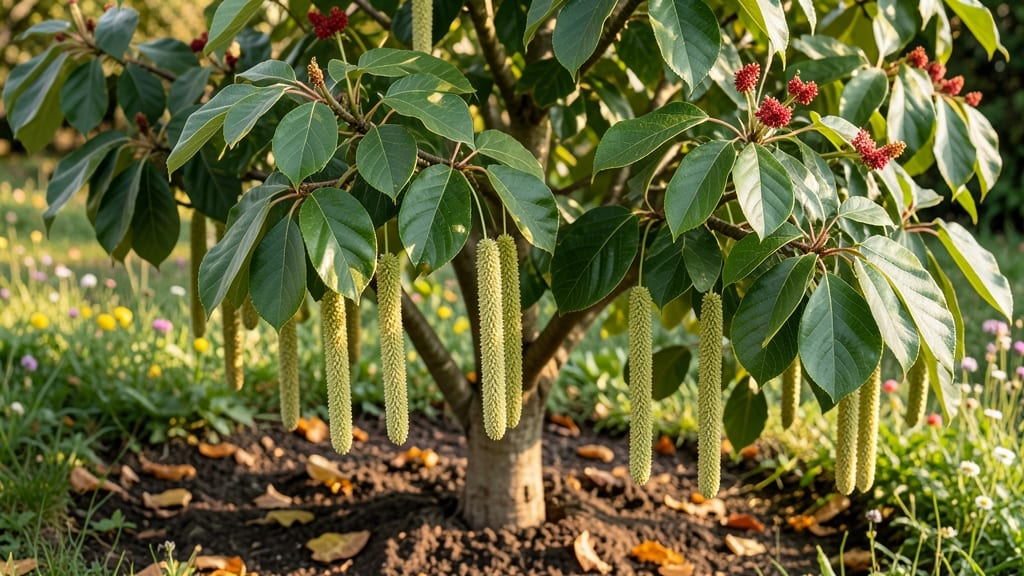
Those fuzzy yellow catkins on chestnut trees aren’t just spring’s first show—they’re the tree’s secret weapon for next year’s harvest. 🌿 I’ve watched them transform from tight buds to fluffy blooms, and there’s nothing like the fresh, slightly sweet scent they bring to the garden in early spring.
The key to encouraging healthy catkins lies in giving your tree the right conditions: well-draining soil rich in organic matter, regular watering (especially during drought), and strategic pruning to open the canopy for sunlight.
Chestnut trees thrive when they’re not competing with weeds or overcrowded branches—think of it as creating the perfect stage for their spring performance. When they bloom, these catkins aren’t just pretty—they’re essential for pollination, which leads to those iconic chestnuts in fall.
A single healthy tree can produce hundreds of catkins, each packed with pollen that attracts bees and other pollinators to your garden. For best results, plant your chestnut tree in full sun with at least 30 feet of space to grow.
Mulch around the base to retain moisture, and avoid heavy pruning in late winter—this helps preserve next season’s catkin buds.
📚 In This Guide
- What you need
- Instructions
- Tips and common mistakes
- Wrapping up and next steps
What you need
- ● Chestnut tree catkins: Freshly fallen or still-attached catkins from a Castanea species (e.g., American chestnut, European chestnut). Aim for 5–10 healthy clusters for experiments or crafts.
- ● Pruning shears or small scissors: Sharp, clean tools to harvest catkins without damaging the tree.
- ○ Gloves (optional but recommended): Lightweight gardening gloves to protect hands from sap or prickly stems.
- ● Clear plastic wrap or a sealed container: For preserving catkins temporarily (e.g., for crafts or study).
- ● Magnifying glass or hand lens: To examine catkin structures up close—great for kids or detailed observations!
- ● Drying tray or mesh screen: For air-drying catkins (e.g., for wreaths or potpourri). Use a flat, breathable surface in a cool, dark place.
- ● Natural dyes (e.g., turmeric, beet juice): If you’re dyeing dried catkins for crafts—1 tsp dye per ½ cup water works well.
- ● Camera or sketchbook: To document growth stages or create botanical art.
- ● Potting soil and small pots: If propagating chestnut trees from seed (requires well-draining soil and patience!).
How to identify and care for chestnut tree catkins in spring
Here’s how to spot, nurture, and enjoy these fragrant blooms when they appear in your yard.
🌱 Step 1: Recognize Catkins on Chestnut Trees
Chestnut tree catkins appear as long, drooping, cylindrical flower clusters in early spring, usually before the leaves emerge. They start as tight, fuzzy buds and unfurl into soft, golden-yellow or reddish strands—sometimes releasing a sweet, honey-like scent. Look for them on the tree’s branches, especially where last year’s growth ended.
Don’t confuse them with leaves or twigs—they’re delicate, flexible, and often sway in the breeze. If you see these clusters, you’re in the right place for pollinators like bees and butterflies, which love their nectar. The scent peaks in the morning, so that’s the best time to enjoy it.
☀️ Step 2: Understand the Tree’s Needs for Healthy Catkins
Chestnut trees thrive in full sun to partial shade and well-draining soil. If your tree’s catkins look sparse or weak, check the soil first—chestnuts hate soggy roots. Water deeply once a week during dry spells, but avoid overwatering, which can cause root rot and stress the tree before blooming.
Fertilize lightly in early spring with a balanced, slow-release fertilizer (like 10-10-10) to support new growth. Too much nitrogen can boost leaves at the expense of flowers, so skip heavy feeding. Instead, focus on mulching around the base with 2-3 inches of organic mulch to retain moisture and regulate soil temperature.
🐝 Step 3: Encourage Pollinators to Visit
Catkins rely on pollinators like bees and beetles to spread pollen. Plant native wildflowers or herbs nearby to attract them—lavender, clover, and dill are great choices. Avoid pesticides during bloom time, as they can harm pollinators and reduce the tree’s ability to produce nuts later in the season.
If your tree is isolated, you might see fewer catkins because cross-pollination is less likely. In that case, hand-pollinate by gently brushing the catkins with a soft brush to transfer pollen between clusters. This won’t replace natural pollinators but can help if your tree is struggling.
⏰ Step 4: Monitor for Pests and Diseases
Watch for signs of stress like wilting catkins or holes in the leaves—these could signal pests like chestnut weevils or fungal issues like anthracnose. Prune any affected branches in late winter or early spring to improve airflow and reduce disease spread.
If you notice black, tar-like spots on the catkins or branches, it’s likely sooty mold, which thrives on honeydew from sap-sucking insects. Treat the underlying pest first (like aphids) with insecticidal soap, then clean the tree with a water spray to wash away the mold.
🌿 Step 5: Enjoy and Support the Tree’s Future Growth
After the catkins fade, the tree will focus on producing leaves and nuts. Water consistently to support this growth, but reduce frequency as summer progresses. Chestnut trees are drought-tolerant once established, so don’t overdo it—just keep the soil moist but not waterlogged.
This spring’s catkins are a sign of a healthy tree, so celebrate them! They’re not just beautiful—they’re a promise of the nuts to come. Next year, you’ll likely see even more blooms if you’ve given the tree the care it needs now.
Tips & tricks for perfect chestnut tree catkin care
Here's what I've learned after years of watching these delicate blooms transform my yard every spring.
Timing is Everything: The morning hours are prime for enjoying catkins' fragrance, but also for observing them. That sweet honey-like scent peaks right after sunrise when temperatures are coolest. I've noticed the catkins sway most gently during these hours too—almost like they're dancing in the breeze. This is also the best time to spot pollinators like bees and butterflies actively visiting them.
Visual Identification Tricks: When distinguishing catkins from leaves, focus on their unique structure - they should be cylindrical, flexible, and often droop slightly. I learned to run my fingers along the branches: catkins feel soft and fuzzy when young, while leaves have a firmer texture. This simple touch test helps me confirm what I'm looking at without needing a magnifying glass.
Soil Check Secret: If your catkins seem sparse or weak, grab a handful of soil near the tree's drip line. It should crumble easily when dry but hold its shape when moist—not sticky or compacted. I've found that amending with compost during early spring (before catkins appear) gives the tree a nutrient boost without overwhelming it. The key is to work the compost into the top 6 inches of soil rather than just piling it around the base.
Pollinator Partnership: Planting native wildflowers like lavender or clover within 10 feet of your chestnut tree creates a pollinator highway. I've seen my catkin production double in years when I've established these companion plants. The secret is to choose varieties that bloom at the same time as your catkins—typically late winter to early spring. This ensures pollinators have a continuous food source during the critical blooming period.
Pro Tips for Chestnut Tree Catkins
- Here's what I've learned after years of watching these delicate blooms transform my yard every spring.
- Timing is Everything: The morning hours are prime for enjoying catkins' fragrance, but also for observing them.
- Visual Identification Tricks: When distinguishing catkins from leaves, focus on their unique structure - they should be cylindrical, flexible, and often droop slightly.
Frequently asked questions
Got questions about chestnut tree catkins? You’re not alone! Here are some of the most common queries—plus quick, practical answers to help you make the most of these fragrant spring blooms.
What exactly are chestnut tree catkins, and how do they differ from flowers?
Catkins are long, drooping clusters of tiny, wind-pollinated flowers that appear on chestnut trees before the leaves. Unlike showy blossoms, they’re unassuming but packed with pollen. Think of them as nature’s stealthy spring signal—delicate, fragrant, and essential for future nuts!
When is the best time to spot chestnut tree catkins in my area?
Timing varies by climate, but catkins typically emerge in late winter to early spring (February–April in most U.S. regions). Check local chestnut tree varieties—sweet chestnuts bloom slightly later than horse chestnuts. A quick walk in late February or early March often rewards you with their fuzzy, golden-green spikes!
Can I grow chestnut trees just for their catkins, or do I need to wait for nuts?
Great news: You don’t need to wait for nuts! Chestnut trees (like Castanea species) produce catkins every year, even if they’re young. For a catkin-only display, plant horse chestnuts (Aesculus)—their catkins are especially fragrant and showy. Just be patient; it takes 3–5 years for trees to mature enough for full catkin displays.
Are chestnut tree catkins toxic to pets or humans?
Rest easy! While the seeds (nuts) of some chestnut species can be toxic to pets, the catkins themselves are non-toxic to humans and animals. That said, always supervise pets near trees—curiosity might lead to nibbling on leaves or bark, which could cause mild stomach upset. When in doubt, keep Fido at a distance!
What can I do if my chestnut tree isn’t producing catkins?
Missing catkins? Don’t panic—it could be due to young age, poor health, or environmental stress. Check for:
- Age: Trees under 5 years old may not bloom yet.
- Water/soil: Drought or compacted soil can stunt growth.
- Pests/disease: Look for holes, wilting, or fungal spots.
Wrapping up and next steps
From their delicate fragrance to their surprising resilience, chestnut tree catkins are a true marvel of spring! 🌿 Whether you’re admiring their beauty in nature or eager to cultivate your own, these blooms remind us how rewarding patience and care can be.
Now that you’re armed with the secrets to growing them—like proper soil prep, timing, and a little creativity—why not take the next step?
🌱 Your Next Step: Plant & Observe!
Grab your gloves, head outdoors, and give these fragrant blooms a try! Start small—even a single sapling can spark joy. Keep a journal to track progress, and share your catkin journey with fellow gardeners.
Who knows? You might just inspire others to fall in love with spring’s quiet wonders. Happy growing! 🌸