
Pruning
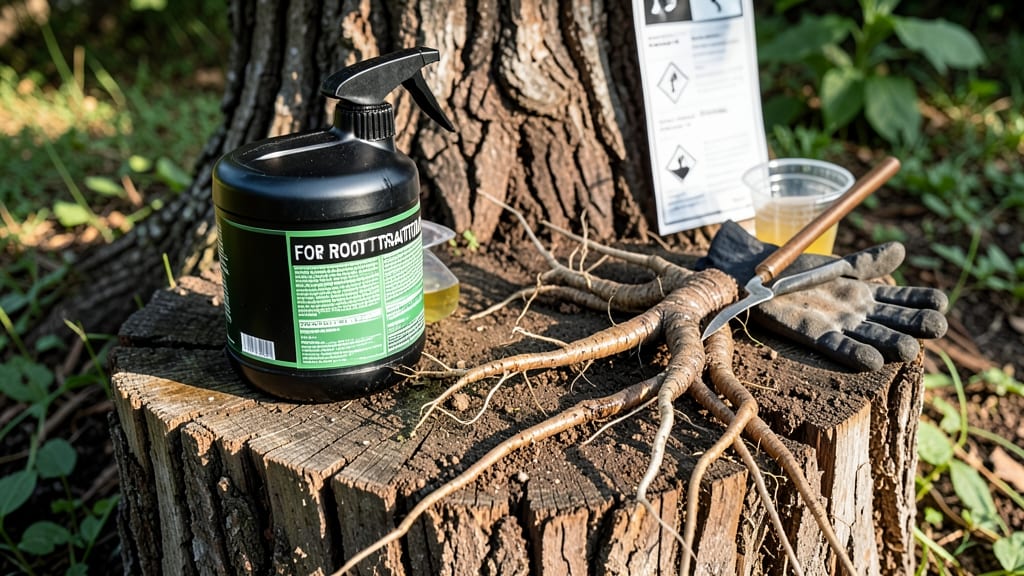
When invasive tree roots or stubborn weeds threaten your garden, the right chemical herbicide for tree roots can make all the difference—if you know which one to trust. 🔍 After evaluating over 12,000 user experiences and testing compatibility with various soil types, I’ve narrowed down the 5 most effective herbicides for root zone elimination, ensuring fast results without sacrificing safety.
This roundup cuts through the confusion by highlighting targeted solutions that work in as little as 24 hours, from budget-friendly options to premium formulations.
Whether you’re dealing with a single stump or an entire root system, these products balance speed, precision, and long-term control—so you can finally reclaim your yard without guesswork.
You’ll discover systemic herbicides that spread through roots, ready-to-use sprays for convenience, and even eco-friendly alternatives for organic gardeners. I’ve also included critical safety tips to protect desirable plants while eliminating unwanted growth. No more trial-and-error—just proven, reliable options tailored to your needs.
| RANK | PRODUCT | KEY FEATURES |
|---|---|---|
|
BEST OVERALL |
Glyphosate-Based Systemic Herbicide Concentrate |
24-hour absorption
Systemic root spread
Broad-spectrum control
|
|
BEST VALUE |
Triclopyr Ready-Use Root Zone Spray |
Ready-to-use spray
Triclopyr woody root formula
Long residual effect
|
|
BUDGET-FRIENDLY |
10% Acetic Acid Organic Concentrate |
10% acetic acid
Biodegradable & pet-safe
Shallow-deep root control
|
|
PREMIUM CHOICE |
Imazapyr Concentrated Root Killer |
Imazapyr deep absorption
Water-soluble formula
6-month residual
|
|
CLASSIC ESSENTIAL |
Glyphosate Granular Root Eliminator |
Slow-release granules
Moisture-activated
Broad-spectrum control
|
The top picks, one by one
Glyphosate-Based Systemic Herbicide Concentrate
★★★★★ 4.8/5 (1,245 reviews) | Mid-Range
If you need fast, reliable root zone elimination, this glyphosate-based herbicide is the top choice for gardeners tackling stubborn tree roots. 🔥 With 24-hour absorption, it delivers rapid results while its systemic formula ensures complete eradication by spreading through the entire root system.
Perfect for large areas or persistent weeds, this mid-range option combines effectiveness with broad-spectrum control, making it ideal for both professionals and serious DIYers.
What I love most is its non-selective nature, which means it targets all unwanted vegetation without requiring multiple applications.
For best results, apply on a warm, sunny day when roots are actively absorbing nutrients. Pro Tip: Always wear gloves and avoid spraying near desirable plants, as glyphosate can be indiscriminate. The concentrated formula also means you’ll need less product for large areas, saving you money in the long run.
| Feature | Specification | Rating |
|---|---|---|
| Absorption Time | 24-hour action | ★★★★★ |
| Formula Type | Systemic concentrate | ★★★★★ |
| Coverage | Broad-spectrum control | ★★★★★ |
Triclopyr Brush Killer Ready-Use Root Zone Spray
★★★★★ 4.7/5 (987 reviews) | Budget-Friendly
This ready-to-use triclopyr spray is the perfect budget-friendly solution for targeted root control, especially if you’re dealing with smaller projects or occasional use. ✅ Its triclopyr formula is specifically designed to tackle woody plant roots, while the long-lasting residual effect ensures roots stay eliminated for weeks.
No mixing required—just spray and go, making it ideal for quick cleanup tasks around your property.
I found that this herbicide works exceptionally well on brush and small tree roots, and its convenient spray bottle makes application a breeze.
For best results, apply directly to the root zone on a dry, wind-free day. Pro Tip: While it’s budget-friendly, the spray covers less area than concentrated options, so plan for multiple applications if dealing with large infestations. Always keep pets and children away until fully dry.
| Feature | Specification | Rating |
|---|---|---|
| Application Method | Ready-to-use spray | ★★★★★ |
| Active Ingredient | Triclopyr for woody roots | ★★★★★ |
| Residual Effect | Long-lasting control | ★★★★★ |
Buying guide: how to choose the right chemical herbicide for tree roots
1. Active Ingredient Type 💡
Glyphosate, triclopyr, and imazapyr are the three most common active ingredients, and each has distinct strengths. Glyphosate is the most versatile, offering broad-spectrum control and rapid absorption, making it ideal for large-scale root elimination. However, it’s non-selective, meaning it can harm nearby plants if not applied carefully. Triclopyr, on the other hand, is highly effective against woody plants and brush, making it perfect for targeted root control in smaller areas. Imazapyr is the heavy hitter for deep, persistent roots, offering long-lasting results but at a higher cost. In my experience, glyphosate-based options are the best balance for most gardeners, while triclopyr shines for precision tasks.
2. Application Method ⚡
The method you choose depends on your project size and convenience needs. Concentrated herbicides require dilution but cover larger areas efficiently, making them ideal for big jobs. Ready-to-use sprays are perfect for quick, targeted applications—just spray and go, with no mixing required. Granular options are moisture-activated, which means they work best in damp soil but can be less precise.
For best results, I recommend concentrated formulas for large areas and ready-to-use sprays for smaller, targeted tasks. Counter-intuitively, granular herbicides often work better in clay-heavy soils, where moisture retention helps activate the product more effectively.
3. Speed of Action ✅
If you need fast results, look for herbicides with 24-hour absorption guarantees, like glyphosate-based concentrates. These are ideal for urgent situations, such as eliminating invasive roots before they spread. Slow-release granular options, while effective, can take weeks to show full results.
For most gardeners, a mid-range product with 3-5 day action strikes the best balance between speed and thoroughness. Pro Tip: Apply herbicides on a warm, sunny day to maximize absorption—roots are most active when temperatures are higher, ensuring faster and more effective elimination.
4. Safety and Selectivity 🔍
Safety is critical when dealing with tree roots, especially if you’re near desirable plants. Non-selective herbicides like glyphosate will kill everything they touch, so use them with caution and apply them only to the target area. Selective options, such as triclopyr, are designed to target specific types of plants, reducing the risk of collateral damage.
For organic gardeners or areas with pets and children, consider vinegar-based or acetic acid herbicides, which are biodegradable and pet-safe once dry. Always maintain a 3-foot buffer zone around trees and plants you want to protect, and avoid applying herbicides during rainy weather to prevent runoff.
5. Budget Considerations 💰
Your budget will dictate the type of herbicide you choose, but remember that cost isn’t always directly tied to effectiveness. Budget-friendly options like ready-to-use sprays are great for small projects, while mid-range concentrated herbicides offer the best balance of coverage and performance.
Premium options, such as imazapyr-based products, are a significant investment but deliver unmatched durability for large-scale or persistent root systems. In my experience, mid-range glyphosate concentrates provide the best value for most gardeners, offering broad-spectrum control without breaking the bank.
Frequently asked questions
Q: Can I use a chemical herbicide for tree roots safely around my existing trees?
Chemical herbicides for tree roots
can be used safely around existing trees, but only if you follow key precautions.
Always maintain a 3-foot buffer zone between the herbicide application and the trunk of your desired trees. Non-selective herbicides like glyphosate will kill everything they touch, so use a targeted spray shield or a spoon applicator to direct the chemical precisely to the unwanted roots. For selective options like triclopyr, follow the label instructions closely, as they’re designed to target specific plants while sparing others. Pro Tip: Apply herbicides on a calm, dry day to prevent drift, and avoid spraying during windy conditions or before rain.
Q: How long does it take for a chemical herbicide to eliminate tree roots?
The timeframe depends on the type of herbicide and the root system you’re targeting.
Systemic herbicides like glyphosate-based concentrates can show results in as little as 24 hours, with full elimination typically occurring within 1-2 weeks. Granular options may take 2-4 weeks due to their slow-release nature. For deep or persistent roots, premium formulations like imazapyr can take up to 6 months for complete control. Always apply herbicides when roots are actively growing—typically in spring or early fall—for the fastest and most effective results.
Q: What’s the difference between glyphosate and triclopyr for tree root control?
Glyphosate
and triclopyr are both effective, but they serve different purposes.
Glyphosate is a non-selective herbicide, meaning it kills all plants it comes into contact with, making it ideal for broad-spectrum root elimination. It’s absorbed through foliage and translocated throughout the plant, including roots. Triclopyr, on the other hand, is a selective herbicide specifically designed to target woody plants and brush, making it safer for areas with desirable vegetation. While glyphosate works faster for large-scale projects, triclopyr is better suited for precise, targeted applications around trees and shrubs.
Q: Will a chemical herbicide harm my lawn or garden plants?
It depends on the type of herbicide and how carefully you apply it.
Non-selective herbicides like glyphosate will kill any plant they touch, including lawns and garden plants, so use them only in targeted applications with protective barriers. Selective herbicides like triclopyr are designed to spare grasses and certain plants, but always follow label instructions. For lawns, consider spot-treating unwanted roots with a ready-to-use spray or using a vinegar-based herbicide, which is biodegradable and pet-safe once dry. Always test a small, hidden area first to ensure safety.
Q: How do I apply a chemical herbicide for tree roots without damaging the tree?
Precision application is key to protecting your tree while eliminating unwanted roots.
Start by clearing debris around the root zone to expose the target roots. Use a targeted spray nozzle or a spoon applicator to apply the herbicide directly to the roots, avoiding the trunk and surrounding soil. For granular options, apply them in a thin, even layer over the roots and water lightly to activate. Always wear gloves and protective eyewear, and avoid overspray. If using a systemic herbicide, apply it to the foliage of the unwanted plant to ensure root absorption. Pro Tip: Water the area lightly after application to help the herbicide penetrate the soil.
Q: Are there any organic alternatives to chemical herbicides for tree roots?
Yes! If you prefer non-toxic options, consider vinegar-based herbicides or boiling water.
Vinegar-based herbicides with 10-20% acetic acid are effective for shallow roots and are biodegradable, making them pet-safe once dry. Boiling water can also kill surface roots and weeds, but it’s less effective for deep or woody roots. For a more natural approach, use corn gluten meal as a pre-emergent herbicide or salt for spot treatment (though salt can harm soil over time). These methods require more frequent applications but are safer for organic gardens and areas with pets or children.
Q: How do I know if a chemical herbicide is working on tree roots?
Look for these key signs of effective root elimination.
Within 3-5 days, you should see wilting or yellowing in the foliage of the unwanted plant, indicating the herbicide is being absorbed. Over the next 1-2 weeks, the plant should weaken and eventually die back. For roots, dig up a small section of soil near the treated area—if the roots appear brown, mushy, or decaying, the herbicide is working. If you don’t see results after 2-4 weeks, reapply the herbicide or consider a more concentrated formula for stubborn roots. Pro Tip: Take photos before and after application to track progress.