
How To
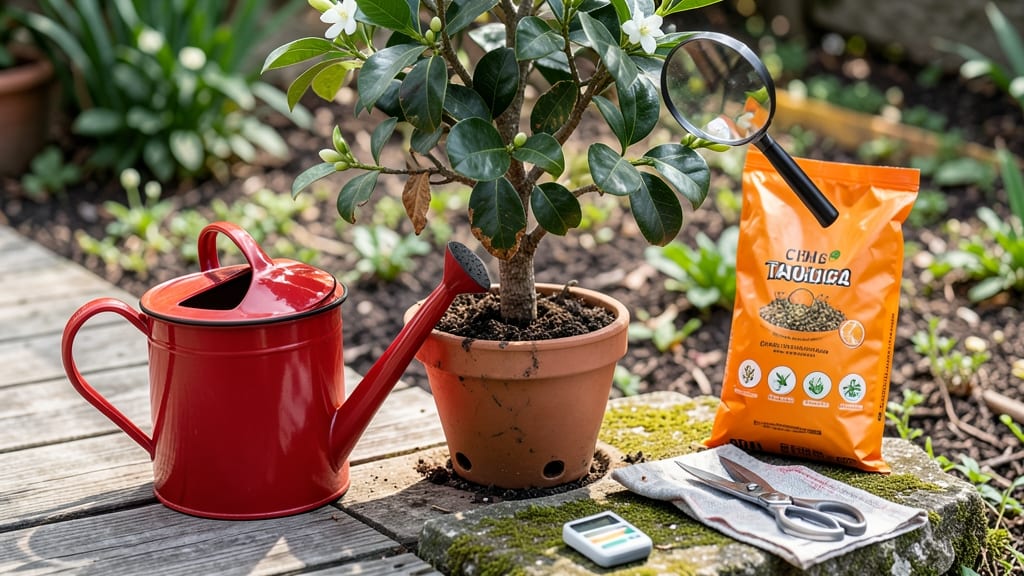
Brown tips on mandarin tree leaves don’t have to mean your tree is dying—it’s often a fixable sign of stress. 🌿 I’ve nursed back more than a few citrus trees with crispy edges, and the solutions are simpler than you think, starting with checking your watering habits and leaf conditions.
The most common culprits are overwatering (which chokes roots), underwatering (which dehydrates leaves), or salt buildup from tap water. Low humidity in winter can also dry out those delicate leaf edges.
My trees bounce back fast once I adjust watering to every 10-14 days and switch to rainwater or distilled water.
With the right care, your mandarin tree will regrow smooth, vibrant leaves in just a few weeks. The key is consistency—check soil moisture, trim damaged tips, and add a balanced citrus fertilizer to restore nutrients. You’ll see new growth within 30-45 days if you catch it early.
Works for both potted and in-ground trees, and the same fixes apply to other citrus like lemons and oranges. Let’s bring your tree back to full health—it’s easier than you’d expect!
Root Causes Of Leaf Damage
Understanding why your mandarin tree’s leaves develop brown tips is the first step toward restoring its health. These issues often stem from environmental stressors, improper care, or underlying health problems.
Below, we break down the most common culprits—each with a clear explanation and actionable insights to help you diagnose the problem accurately.
---
Mandarin trees (Citrus reticulata) are native to subtropical regions where water is plentiful, but they hate soggy roots.
When soil remains too wet for prolonged periods, oxygen can’t reach the roots, leading to: - Root rot (a fungal infection that blocks nutrient uptake). - Salt buildup in the soil, which burns leaf edges. - Nutrient deficiencies, as roots struggle to absorb essential minerals like iron or manganese.
How to spot it: - Yellowing leaves before browning (a classic sign of root stress). - Soil that stays damp even days after watering. - A foul, musty odor near the base of the tree.
Quick fix: ✅ Test your soil’s moisture by sticking your finger 2 inches deep—if it’s damp, wait before watering again. ✅ Improve drainage by amending heavy soil with perlite, sand, or compost. Ensure pots have drainage holes. ✅ Repot if needed into a container with fresh, well-draining potting mix (e.g., a 60/30/10 blend of peat, perlite, and sand).
---
On the flip side, consistent underwatering causes leaf tips to crisp and turn brown as the tree loses moisture through transpiration. But here’s the twist: over-fertilizing or hard water can also lead to salt buildup in the soil, which mimics drought stress by preventing roots from absorbing water efficiently.
How to spot it: - Dry, brittle soil that pulls away from the pot. - Brown tips that spread inward (unlike overwatering, which starts at the edges). - White crusty residue on the soil surface (a sign of salt accumulation).
Quick fix: ✅ Water deeply but infrequently—aim for 1–1.5 inches of water per week (more in extreme heat). ✅ Flush the soil every 2–3 months with plain water to leach out excess salts. ✅ Use filtered or rainwater if your tap water is hard (high in minerals like calcium or magnesium).
---
Mandarin trees thrive in partial shade to morning sun, but harsh conditions can scorch leaves: - Direct afternoon sun (especially in hot climates) causes oxidative stress, leading to brown, papery tips. - Dry winds increase transpiration rates, pulling moisture from leaves faster than roots can replace it. - Cold drafts or frost damage cell membranes, causing tips to blacken or crisp.
How to spot it: - Browning occurs on exposed leaf edges (not uniformly across the leaf). - New growth is stunted or deformed. - Leaves feel dry or leathery to the touch.
Quick fix: ✅ Provide afternoon shade with a sheer curtain or move potted trees to a sheltered spot. ✅ Mulch the base with organic material (like straw or wood chips) to retain moisture and regulate soil temperature. ✅ Use a windbreak (like a lattice or bamboo screen) if your tree is outdoors in a breezy area.
--- Brown tips can also signal a lack of key nutrients, particularly: - Iron deficiency (chlorosis): Leaves turn yellow between veins first, then brown at the tips. Common in alkaline soils (pH > 7.0). - Potassium deficiency: Weakens cell walls, making leaves prone to burning.
Look for brown, dead spots along edges. - Magnesium deficiency: Interveinal yellowing (similar to iron) but with brown tips on older leaves.
How to spot it: - Yellowing between veins (classic iron deficiency). - Slow growth despite regular watering. - Small, weak new leaves.
Quick fix: ✅ Test your soil’s pH—mandarin trees prefer 6.0–7.0. Adjust with sulfur (to lower pH) or lime (to raise it). ✅ Fertilize with citrus-specific nutrients (high in iron chelates, like EDDHA iron). Apply in early spring and mid-summer. ✅ Use a balanced fertilizer (e.g., 6-6-6 or 8-3-9) in small doses every 6–8 weeks during growing season.
--- While less common, pests like spider mites, scale, or aphids can stress your tree, leading to brown tips. These insects sap nutrients from leaves, causing: - Stunted growth. - Sticky residue (honeydew) on leaves. - Webbing or tiny black dots (frass) on undersides.
Fungal diseases (e.g., citrus canker or anthracnose) can also create brown, crinkled spots on leaves.
How to spot it: - Tiny moving dots (mites) or white fluffy patches (scale). - Black sooty mold growing on honeydew. - Raised, scab-like lesions on leaves.
Quick fix: ✅ Spray leaves with neem oil (1 tsp per quart of water) weekly to deter pests. ✅ Prune infected leaves and dispose of them in sealed bags (don’t compost!). ✅ Apply copper fungicide (like Copper Soap) if you suspect disease.
--- If your mandarin tree was recently repotted or moved, root disturbance can cause stress, leading to brown tips as the tree diverts energy to recovery. Roots take time to regenerate, and until they do, leaves may suffer.
How to spot it: - Browning starts after a recent move or repotting. - Leaves drop prematurely. - New growth is sparse or absent.
Quick fix: ✅ Avoid fertilizing for 4–6 weeks post-transplant to reduce stress. ✅ Keep soil consistently moist (not soggy) to encourage root regrowth. ✅ Use a root stimulator (like Mycorrhizal fungi) to speed up recovery.
--- Overzealous use of fertilizers, herbicides, or even tap water with chlorine can burn leaf tips. Symptoms include: - Brown, crispy edges that look "scorched." - White or yellow patches where chemicals concentrated. - Stunted growth despite regular care.
How to spot it: - Browning occurs shortly after fertilizing or spraying. - Only new growth is affected (older leaves may stay healthy).
Quick fix: ✅ Flush the soil with water to dilute chemicals. ✅ Use organic fertilizers (like fish emulsion or compost tea) to reduce burn risk. ✅ Let tap water sit for 24 hours before using to off-gas chlorine.
Fixing Brown Leaf Tips Naturally
Now that you know the likely causes behind those unsightly brown tips on your mandarin tree leaves, let’s roll up our sleeves and get your tree back to its vibrant best!
The good news? Most fixes are simple, cost-effective, and require minimal effort. Below, we’ll break down practical solutions tailored to each root cause—plus prevention tips to keep your tree thriving long-term.
---
Signs: Yellowing leaves, mushy stems, or brown tips that feel soggy to the touch.
How to Fix It: 🔥 Step 1: Let the Soil Dry Out - Stop watering immediately and allow the top 2–3 inches of soil to dry completely before watering again. Stick your finger in the soil—if it’s damp past your first knuckle, wait another day. - Pro Tip: 💡 Use a moisture meter for accuracy, especially in humid climates.
🍳 Step 2: Improve Drainage - If your pot lacks drainage holes, repot your mandarin tree into a container with holes at the bottom. No holes? Drill them yourself! - Add a 1-inch layer of gravel or perlite at the bottom of the pot to prevent waterlogging.
👨🍳 Step 3: Repot or Refresh the Soil - If the soil is compacted or waterlogged, repot your tree into fresh, well-draining citrus-specific potting mix (or a blend of 60% potting soil, 30% perlite, and 10% sand). - Warning: ⏰ Avoid repotting during extreme heat or cold—spring or early fall is ideal.
🌱 Prevention Tips: - Water deeply but infrequently—better to underwater slightly than drown the roots. - Choose pots with terracotta or fabric liners (they wick away moisture). - Elevate pots on feet or saucers to prevent sitting in water.
---
Signs: Crispy, papery brown edges (like sunburn) or leaves curling upward.
How to Fix It: 🔥 Step 1: Gradually Acclimate to Sun - If your tree was recently moved outdoors, harden it off by placing it in partial shade for 1–2 weeks before full sun. - Quick Fix: 🌡️ Move it to a spot with morning sun + afternoon shade (east-facing windows or dappled sunlight).
🍳 Step 2: Provide Temporary Relief - Use a lightweight shade cloth (30–50%) to filter harsh rays during peak sun (10 AM–4 PM). - Mist leaves gently in the early morning to cool them down (avoid evening misting—it encourages fungal growth).
👨🍳 Step 3: Mulch for Root Support - Apply 2–3 inches of organic mulch (straw or wood chips) around the base to retain moisture and regulate soil temperature.
🎯 Prevention Tips: - Monitor leaf color—yellowing means too much sun; browning means too little. - Avoid placing pots on hot pavement or concrete—use a heat-proof stand. - In desert climates, water deeply in the evening to help the tree retain moisture overnight.
---
Signs: Sticky residue, black spots, or tiny bugs on leaves/stems.
How to Fix It: 🔥 Step 1: Isolate and Inspect - Remove severely affected leaves and dispose of them in the trash (not compost). - Check for pests (aphids, scale, or spider mites) on the undersides of leaves.
🍳 Step 2: Natural Remedies for Fungus - Neem oil spray: Mix 1 tsp neem oil + 1 tsp mild soap + 1 quart water.
Spray every 7–10 days until symptoms fade. - Baking soda solution: For powdery mildew, spray a mix of 1 tsp baking soda + 1 quart water + a drop of dish soap (reapply weekly).
👨✨ Step 3: Target Pests - For soft-bodied pests (aphids, mealybugs): - Wipe leaves with a soapy water cloth (1 tsp dish soap per gallon of water). - Introduce ladybugs or lacewings (natural predators). - For scale insects: - Scrape off with a soft toothbrush dipped in rubbing alcohol. - Follow with a horticultural oil spray (apply at dusk).
🔪 Step 4: Boost Tree Immunity - Fertilize lightly with a balanced citrus fertilizer (10-10-10 or 8-3-9) to strengthen growth. - Avoid over-fertilizing—this stresses the tree and attracts pests.
🌱 Prevention Tips: - Space trees properly for airflow (crowding invites fungus). - Clean up fallen leaves regularly to reduce pest/harboring spots. - Quarantine new plants for 2 weeks before introducing them to your mandarin tree.
--- Signs: Brown tips with yellowing between veins (iron/chlorosis) or slow growth.
How to Fix It: 🔥 Step 1: Test Your Soil - Use a DIY soil test kit (available at garden centers) to check pH and nutrient levels. - Ideal pH for mandarins: 6.0–7.0 (too alkaline = iron deficiency).
🍳 Step 2: Correct Deficiencies | Issue | Solution | |--------------------------|-----------------------------------------------------------------------------| | Iron deficiency | Apply chelated iron (spray or granules) or use Epsom salt (1 tbsp per gallon of water, monthly). | | Nitrogen deficiency | Use a high-nitrogen fertilizer (like blood meal) or composted manure. | | Magnesium deficiency | Sprinkle Epsom salt around the base (follow package instructions). |
👨🍳 Step 3: Improve Soil Health - Top-dress with compost (1–2 inches) in spring to replenish organic matter. - Avoid synthetic fertilizers if your tree is already stressed—they can burn roots.
🌱 Prevention Tips: - Fertilize every 4–6 weeks during growing season (spring–fall). - Water before fertilizing to prevent root burn. - Use slow-release granules for steady nutrient delivery.
--- - Prune damaged leaves with sterilized scissors to redirect energy to healthy growth. - Mist leaves in dry climates to increase humidity (but avoid waterlogging). - Monitor progress—healthy new growth should appear in 2–4 weeks.
--- Remember: Patience is key! Mandarin trees are resilient, and with consistent care, those brown tips will fade as your tree regains its lush, green glory. 🌿✨
Frequently asked questions
Why do my mandarin tree leaves only develop brown tips and not full browning?
Brown tips typically indicate edge burn from environmental stress like low humidity, salt buildup, or inconsistent watering. Unlike full leaf browning (which suggests root rot or severe disease), tips only dry out when moisture loss exceeds what roots can supply. Think of it as the leaf "screaming" for better care before the whole leaf gives up.
Is it safe to trim brown tips off my mandarin tree?
Yes! Pruning brown tips encourages new growth and redirects energy to healthier leaves. Use sterilized scissors to cut just above the green tissue. Avoid removing more than 1/3 of the leaf at once—this prevents shocking the tree. Do this in morning hours so wounds dry quickly.
How often should I check my mandarin tree for brown tips?
Inspect leaves every 2 weeks during growing season (spring-fall) and monthly in winter. New growth appears every 4-6 weeks, so catch problems early. Pay extra attention after repotting, fertilizing, or moving the tree—these trigger stress responses in 7-14 days.
Can I save my mandarin tree if half the leaves have brown tips?
With proper care, trees recover well. Focus on watering consistency (every 10-14 days), improving drainage, and using filtered water. Within 6-8 weeks, you'll see new growth. The key is addressing the root cause—whether it's overwatering, sunburn, or nutrient deficiency—before the problem spreads.
Will brown tips affect my mandarin tree's fruit production?
Mild cases won't stop fruiting, but severe stress can reduce yield. Brown tips indicate the tree is diverting energy to leaf repair instead of fruit development. Fix the underlying issue (like iron deficiency or poor drainage) and you'll maintain normal production. Healthy leaves = healthier fruit next season!