
Container Gardens
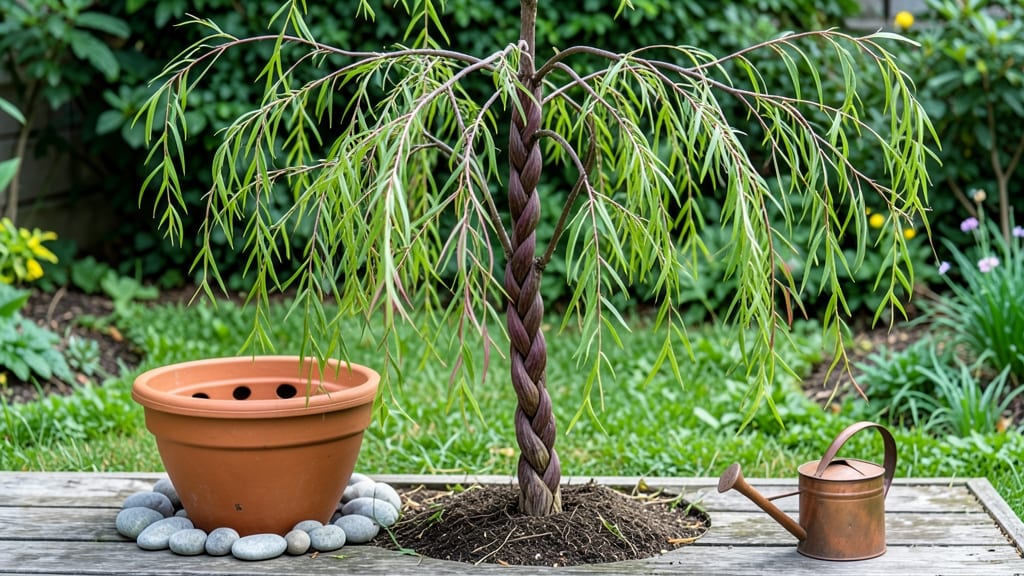
Your braided willow tree in pots isn't just a plant—it's a living sculpture that transforms any space into a zen retreat. 🌿 I've spent years perfecting care for these architectural wonders, and the secret lies in mimicking their natural, moisture-loving habitat while keeping roots contained.
The right mix of well-draining soil (60% potting mix, 30% peat moss, 10% perlite) and consistent moisture (never soggy, never dry) makes all the difference. Most people overwater or underpot—both kill braided willows faster than you'd think. A 15-gallon container gives roots room to breathe while keeping the plant manageable.
By winter, you'll have a tree that stays lush year-round, with flexible branches that braid naturally over time.
The key is monthly feeding with balanced fertilizer (10-10-10) during growing season and winter protection from freezing winds—just wrap the pot in burlap if temps dip below 20°F. This isn't just container gardening—it's sculpting with nature. Whether you're growing on a balcony or patio, the same principles apply.
Let's get your willow thriving!
📚 In This Guide
- What you need
- Instructions
- Tips and common mistakes
- Wrapping up and next steps
What you need
- ● Braided Willow Tree: 1 young, flexible willow sapling (e.g., Salix matsudana or Salix babylonica), 1–3 feet tall with supple branches.
- ● Container: 1 large, sturdy pot (18–24" diameter) with drainage holes, or a custom elevated planter (e.g., wooden crate, hanging basket, or repurposed trough).
- ● Potting Soil: 3–5 gallons of well-draining, moisture-retentive mix (compost + perlite or coconut coir blend).
- ● Drainage Layer: 1–2 inches of gravel, pebbles, or broken pottery shards.
- ● Staking Supplies: 3–5 wooden or bamboo stakes (¼" diameter, 2–3 feet tall) and soft plant ties or twine.
- ● Pruning Shears: 1 pair of sharp, sterilized shears for trimming.
- ● Watering Can: 1 with a narrow spout for precise hydration.
- ○ Mulch (Optional): 1–2 inches of bark chips or straw to retain moisture.
- ○ Fertilizer (Optional): Slow-release granular fertilizer (10-10-10 ratio) or liquid seaweed extract.
- ○ Decorative Accents (Optional): Moss, pebbles, or painted stakes for aesthetic flair.
Step-by-step instructions for braiding and maintaining willow trees in containers
Here’s how to create a stunning braided willow planter that stays lush year-round with minimal fuss.
🪴 Step 1: Select and Prepare the Willow Plants
Choose four 1-year-old willow cuttings with flexible, ½-inch-thick stems—thicker branches won’t bend gracefully. Soak the cuttings overnight in lukewarm water to soften the wood slightly; this makes braiding easier without snapping. Trim any side branches or leaves to reduce stress during the process.
Test the flexibility of each stem by bending it gently. If it cracks or resists, select another cutting. You’ll need two pairs of identical-length stems (about 3–4 feet tall) for a balanced braid. I like to work with Salix matsudana or Salix caprea—their supple branches handle braiding best.
🌿 Step 2: Braid the Stems and Secure in the Pot
Arrange the four stems in a square pattern, crossing them in an over-under pattern (like a four-strand rope). Start at the base and work upward, twisting each stem tightly around its neighbor. Once the braid reaches the top of the pot, tie the stems together with jute twine to hold the shape.
Fill a large, wide pot (at least 18 inches in diameter) with well-draining potting mix—I blend 50% garden soil, 30% perlite, and 20% compost for moisture retention without root rot. Plant the braided base 2–3 inches deep, pressing the soil firmly around the stems to stabilize them. Water thoroughly until it drains from the bottom.
☀️ Step 3: Provide Optimal Light and Watering
Willows thrive in full sun (6+ hours daily), but in hot climates, morning sun with afternoon shade prevents leaf scorch. If growing indoors, place near a south-facing window or under grow lights (12–14 hours/day). You’ll notice new growth within 2–3 weeks—this signals the roots are establishing.
Water deeply 2–3 times per week, ensuring the top 2 inches of soil stay moist but not soggy. Willow trees in pots dry out faster than in ground plantings, so check soil moisture daily during summer. Overwatering causes root rot, while underwatering leads to crispy leaves—balance is key.
✂️ Step 4: Prune and Maintain Year-Round Structure
Trim back one-third of the new growth in early spring to encourage bushier, denser braids. Use clean, sharp pruners to cut just above a leaf node at a 45-degree angle. Avoid cutting into old wood, as willows won’t regrow from bare stems. Repeat light pruning in late summer to shape the design.
Fertilize once in spring with a balanced 10-10-10 formula (follow package rates) to support growth. In winter, reduce watering to once every 2 weeks and move the pot to a protected location (like a garage or under an eave) if temperatures drop below 20°F. A light frost cloth adds extra protection for tender varieties.
🌱 Step 5: Refresh and Divide Every 2–3 Years
Over time, the braided stems thicken and lose flexibility. To rejuvenate, divide the plant in early spring by carefully separating the roots and replanting two of the four stems in a new pot. Keep one braid intact for continuity while the others recover. This also prevents the pot from becoming root-bound, which slows growth.
Replace the potting mix entirely when dividing—old soil compacts and loses nutrients. Add slow-release fertilizer granules to the fresh mix for a 3-month nutrient boost. With proper care, your braided willow will stay striking for years, becoming a focal point in any space.
Tips & tricks for perfect braided willow tree care in pots
A few subtle tweaks can transform your braided willow from temporary display to a long-lasting centerpiece. Here's how to elevate your design and avoid common pitfalls.
Selection Tip: When choosing your willow cuttings, look for stems with a slight greenish tint—they're younger and more flexible than the brownish, woody ones. I've found that cuttings harvested in late winter or early spring (just before bud break) bend the easiest. If you're working with dried stems, soak them for 24 hours instead of overnight to fully rehydrate the fibers without causing them to split.
Braiding Breakthrough: For a more secure braid that holds its shape, start by twisting the four stems together at the base before you begin the over-under pattern. This creates a stronger foundation that won't unravel as the plant grows. I also recommend using waterproof jute twine for the final tie—regular twine will degrade and need replacing within a year, while waterproof holds for seasons.
Soil Science: The 50-30-20 mix of garden soil, perlite, and compost works wonders, but here's the secret: Add a handful of horticultural charcoal to the mix when planting. This helps prevent root rot by keeping the soil slightly more aerobic, especially important for container-grown willows that can become waterlogged. The charcoal also helps neutralize any funky odors from the compost over time.
Winter Protection: When temperatures drop below 20°F, don't just move your pot—wrap the entire pot (including the braided stems) in burlap or frost cloth before relocating. This creates a microclimate that protects the delicate new growth. I've seen willows survive -5°F with this extra layer, though they'll still benefit from being moved to a sheltered spot. The key is to protect the braid itself from windburn and temperature fluctuations.
Pro Tips for Braided Willow Tree Care In Pots
- A few subtle tweaks can transform your braided willow from temporary display to a long-lasting centerpiece. Here's ho...
- Selection Tip: When choosing your willow cuttings, look for stems with a slight greenish tint—they're younger and mor...
- Braiding Breakthrough: For a more secure braid that holds its shape, start by twisting the four stems together at the...
Frequently asked questions
Got questions about keeping your braided willow tree thriving in a pot? You’re not alone! Here are some of the most common concerns—and their answers—to help you master container care for this stunning architectural plant.
How often should I water my braided willow tree in a pot?
Water your braided willow deeply when the top 1–2 inches of soil feel dry to the touch. In pots, this usually means watering every 2–3 days in summer and once a week in winter. Overwatering is the #1 killer—ensure pots have drainage holes to prevent root rot.
Can braided willows survive winter in pots?
Yes! Hardy to USDA Zone 5, braided willows need protection in colder climates. Move pots to a sheltered spot (like a garage or against a south-facing wall) before temps drop below 20°F (-7°C). Wrap the pot in burlap or use a frost cloth for extra insulation.
What’s the best soil mix for potted braided willows?
Use a well-draining mix like 60% potting soil, 30% perlite or sand, and 10% compost. Avoid heavy clay—roots need oxygen! A slightly acidic to neutral pH (6.0–7.0) works best. Pro tip: Add a handful of hydrangea food in spring for a nutrient boost.
How do I prune a braided willow to keep it shaped?
Prune in late winter or early spring before new growth starts. Trim back overgrown branches to maintain the braid by cutting just above a bud or leaf node. Avoid heavy pruning—willows regenerate quickly, but too much can stress the plant.
Are there dwarf varieties better suited for pots?
Yes! Look for Salix caprea ‘Pendula’ (weeping willow) or Salix matsudana ‘Tortuosa’ (twisted willow)—both stay compact (6–10 ft tall) and thrive in containers. Just ensure pots are at least 18–24 inches wide to accommodate root growth.
Why are my willow leaves turning yellow?
Yellow leaves often signal overwatering or nutrient deficiency. Check soil moisture and adjust watering. If the yellowing is paired with brown edges, it’s likely chlorosis (iron deficiency)—apply a chelated iron supplement. Note: Some yellowing in fall is normal!
Wrapping up and next steps
Caring for a braided willow tree in pots is all about patience, creativity, and consistency—and the results are absolutely stunning! 🌿 With the right soil, container size, and seasonal adjustments, your willow can thrive year-round, adding elevated structure and drama to any space.
Whether you’re a beginner or a seasoned gardener, this project is a rewarding way to blend artistry with nature.
Ready to elevate your container garden? Start by gathering your supplies, then watch your braided willow transform into a living masterpiece. Next, explore pruning tips or share your progress with fellow plant lovers—your green thumb is about to shine! ✨