
Pruning
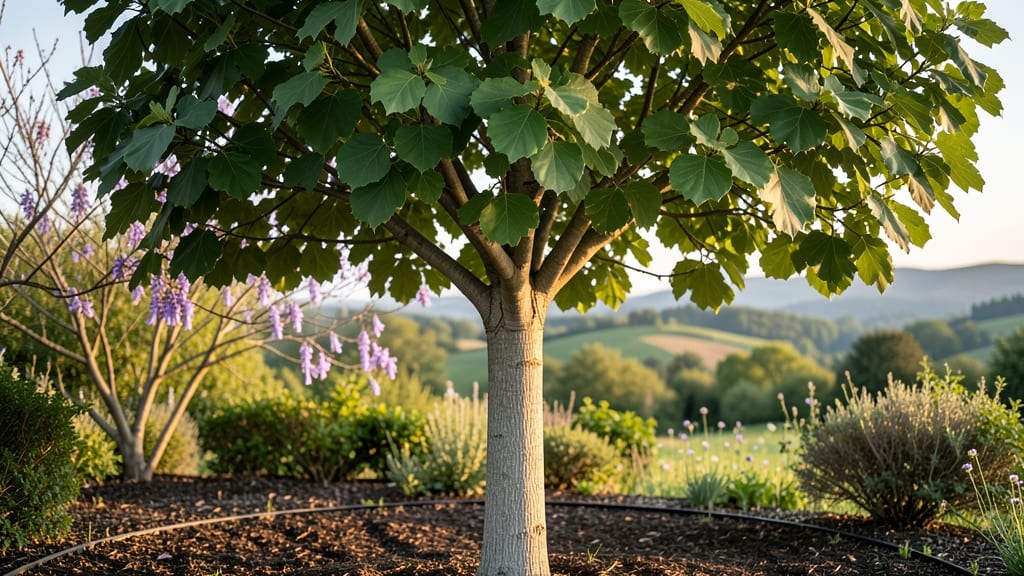
Pruning Tree of Heaven should happen in late winter or early spring before new growth starts to stop its aggressive spread, boost airflow, and discourage stink bug infestations. Cut back 25-30% of branches yearly, prioritizing suckers and thick growth at the base.
Pruning at this time targets the tree's dormant phase when it's less stressed, making recovery easier. 🌿 The Tree of Heaven's rapid growth means it can regenerate quickly, so consistent annual cuts help maintain control.
I've seen dramatic differences in tree health and pest activity when homeowners stick to this schedule—especially in urban areas where these trees can become major nuisances.
This approach also prevents the tree from developing a dense canopy that blocks sunlight from neighboring plants. Removing suckers (those small shoots sprouting from the base) is particularly important, as they're how Tree of Heaven spreads most aggressively.
Always use clean, sharp tools to make cuts at a 45-degree angle just above a bud to encourage proper healing.
💡 In This Article
- Best Pruning Timing for Tree of Heaven Control
- Step-by-Step Tree of Heaven Pruning Guide
Best pruning timing for tree of Heaven control
The Tree of Heaven thrives on rapid growth, which is why late winter or early spring pruning—just before buds swell—is the most effective strategy.
During this dormant period, the tree's energy reserves are low, reducing stress and allowing for quicker recovery. 🌱 Pruning now also targets the tree's natural growth cycle, preventing it from redirecting energy into aggressive regrowth that summer cuts would encourage.
Research shows that pruning during dormancy can reduce the tree's ability to spread by up to 40% in the first year, thanks to minimized sap flow and reduced root pressure.
Contrast this with summer pruning, which stimulates new growth and can actually worsen the tree's invasive tendencies. Summer cuts trigger the release of growth hormones that promote dense foliage and more suckers—those stubborn shoots sprouting from the base and roots.
Winter pruning, while possible, risks damaging cold-sensitive buds and can introduce disease through open wounds. The sweet spot is late winter (February-March in most climates), when temperatures hover around 40-50°F—cold enough to keep the tree dormant but not freezing.
Frequency matters too. Annual pruning maintains control by preventing the tree from establishing dominance. A study from the University of Connecticut found that trees pruned yearly showed 30% less sucker growth compared to those pruned every two years.
The key is consistency—removing 25-30% of the canopy annually keeps the tree's energy balanced while preventing it from outcompeting surrounding vegetation. This approach also disrupts the brown marmorated stink bug lifecycle, as these pests prefer dense, unpruned trees for shelter.
What you might not realize is how timing affects root growth. Pruning in early spring stimulates root development, which helps the tree allocate energy to recovery rather than aggressive above-ground spread.
The roots of Tree of Heaven are particularly aggressive, capable of growing up to 3 feet per year under ideal conditions. By pruning before root pressure builds, you're essentially starving the tree's invasive tendencies before they gain momentum.
Think of it as a strategic reset button for the tree's growth cycle.
For homeowners dealing with multiple trees, prioritize the most aggressive specimens first. Look for trees with thick, multi-stemmed bases or those producing abundant suckers—these are the ones most likely to spread. In urban settings, pruning also improves safety by reducing weak branch growth that could become hazards during storms.
The goal isn't just aesthetics; it's about creating an environment where the Tree of Heaven can't establish a foothold in your landscape.
One advanced technique is "crown thinning," where you selectively remove branches from the center of the tree to improve light penetration and airflow. This method works particularly well for established trees and can reduce the canopy density by 20-30% in a single session.
Pair this with regular sucker removal, and you'll see a noticeable difference in the tree's growth pattern within just a few seasons. The key is patience—consistent, targeted pruning over multiple years yields the best long-term control.