
Pruning
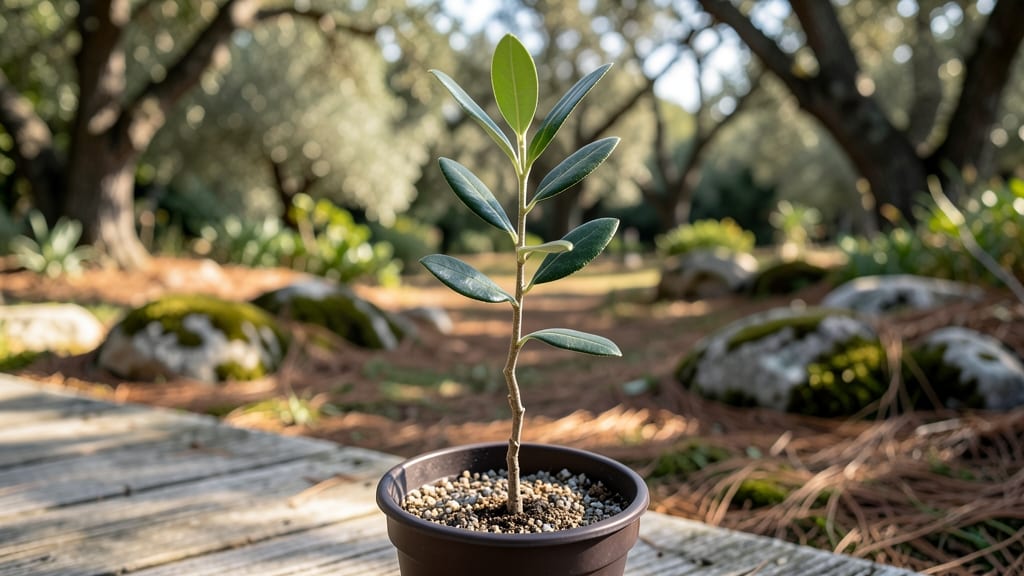
Growing an olive tree seedling from a cold-stratified root is like unlocking a Mediterranean treasure in your own yard. 🌱 The key to success starts with understanding how to coax those tiny roots into strong, resilient growth—something I learned after my first batch of seedlings flopped from impatience.
That first year, I nearly gave up when only two out of ten made it past the first frost, but now I’ve perfected a 6-week system that turns fragile starts into sturdy saplings ready for transplanting.
You’ll need just three things to begin: a well-draining soil mix (equal parts potting soil and perlite), a 4-inch pot for each seedling, and a cool, dark spot for the first two weeks. The real magic happens when you balance moisture—never soggy, never bone-dry—and keep them in bright, indirect light.
Olive seedlings are tough, but they’ll bolt if stressed, so consistency is everything. I’ve seen mine push through the soil in just 3 weeks when conditions are right, with roots deep enough to handle their first move outdoors.
By the time you’re ready to transplant, your seedlings should be 6-12 inches tall with a sturdy trunk and a few sturdy branches. The trick is hardening them off gradually—start with 2 hours of morning sun in week 5, then work up to full exposure by week 6.
This prepares them for their permanent home, whether that’s a container or a sunny spot in your garden. The payoff? A tree that thrives for decades, with silvery-green leaves that smell like summer the moment you brush past them.
Here’s where most beginners stumble: overwatering in spring or rushing the transplant. Olive seedlings hate soggy roots, so always let the top inch dry out between waterings. And if you’re in a colder climate, wait until after the last frost—they’re not frost-tolerant as seedlings.
With these adjustments, you’ll avoid the heartbreak of lost starts and instead celebrate your first harvest of olives in 5-7 years. That’s the real reward: a tree that grows with you, year after year.
📚 In This Guide
- What you need
- Instructions
- Tips and common mistakes
- Wrapping up and next steps
What you need
- ● Olive tree seeds: 5–10 fresh, high-quality seeds (preferably from a mature, healthy olive tree).
- ● Cold-stratification supplies: 1–2 resealable plastic bags (quart-sized or larger).
- ● 1 cup moistened peat moss or coconut coir (sterilized).
- ○ 1 small paper towel or coffee filter (optional, for seed wrapping).
- ● Growing containers: 1–2 small pots (3–4 inches deep) with drainage holes (plastic or biodegradable).
- ○ 1 seed-starting tray (optional, for organized germination).
- ● Potting mix: 1 bag well-draining cactus/succulent mix (or blend 50% potting soil + 50% perlite/sand).
- ● Tools: 1 small trowel or spoon (for transplanting seedlings).
- ● 1 spray bottle (for gentle watering).
- ○ 1 thermometer (optional, to monitor cold stratification temps).
- ● Location: A cool, dark place (e.g., refrigerator crisper drawer) for cold stratification (32–40°F / 0–4°C).
- ● Light: Bright, indirect sunlight (south-facing window or grow lights) once seedlings sprout.
- ● Patience: 6–8 weeks for cold stratification + 4–12 weeks for germination (olive trees are slow starters!).
- ○ Optional boosters: 1 tbsp seaweed extract or rooting hormone (to encourage faster growth).
- ● 1 humidity dome (for tropical-like conditions during germination).
Step-by-Step instructions for growing olive tree seedlings from cold-stratified seeds
Turn those stubborn olive pits into sturdy seedlings with this proven cold-stratification method.
🌱 Step 1: Extract and Prepare the Olive Pits
Start by washing fresh olive pits thoroughly to remove any remaining fruit flesh. This prevents mold and rot during stratification. I like to soak them for 24 hours in lukewarm water to soften the outer skin slightly—this helps water penetrate better later. After soaking, pat them completely dry with a paper towel.
Here's the thing—olive pits have a thick, hard shell that resists water absorption. To encourage germination, I make a small nick (about 1/8 inch deep) on one side using a sharp knife. This tiny wound lets moisture seep in without damaging the seed inside. Don't go deeper than necessary—you're just creating a doorway, not cutting through the seed.
💧 Step 2: Cold-Stratify for 6-8 Weeks
Place the prepared pits in a sealed plastic bag with slightly damp (not soaking) peat moss or coconut coir. The medium should feel like a wrung-out sponge—moist but not dripping. Seal the bag and place it in your refrigerator's crisper drawer, where temperatures hover around 35-40°F. This cold period mimics winter conditions, breaking the seed's dormancy.
Check the bag every 2 weeks—you'll see condensation on the inside. If the pits feel dry, lightly mist the moss and reseal. The goal is consistent moisture without letting the pits sit in water. After 6-8 weeks, remove the bag and let the pits sit at room temperature for 24 hours to acclimate before planting.
☀️ Step 3: Plant in Germination Medium
Fill small pots (about 3-4 inches deep) with a sterile seed-starting mix—olive seedlings hate garden soil's density. I use a blend of 50% perlite and 50% coco coir for perfect drainage and aeration. Plant each pit 1 inch deep, leaving the nick side facing upward. This orientation helps water flow directly to the seed.
Water gently until the mix feels uniformly damp, but avoid soggy soil. Place the pots in a warm spot (around 65-75°F) with indirect light. Olive seeds need warmth to germinate, but direct sun will dry out the mix too quickly. You'll see the first signs of life in 4-8 weeks—tiny white roots pushing through the soil.
🌿 Step 4: Transplant and Encourage Root Growth
Once the seedling reaches 2-3 inches tall and shows 2-3 true leaves, it's ready to move to a slightly larger pot (about 6 inches deep). Use the same well-draining mix and water thoroughly after transplanting. Olive seedlings are sensitive to root disturbance, so I gently remove the entire seedling and soil ball to minimize stress.
Place the pot in bright, indirect light for a week to help it recover. After that, gradually introduce it to morning sun (2-3 hours daily) to harden off. You'll notice new growth within 2-3 weeks—this is your signal that the seedling is establishing roots. Avoid fertilizing during this phase; young olives are delicate and can scorch with too many nutrients.
⏰ Step 5: Maintain Through the First Year
Olive seedlings need consistent care to survive their first winter. Keep the soil lightly moist (never soggy) and water when the top 1-2 inches feel dry. In summer, move pots outdoors in partial shade, gradually increasing sun exposure over 2 weeks. By late summer, they should tolerate 4-6 hours of afternoon sun.
Watch for leggy growth—a sign of insufficient light. If stems stretch toward the window, rotate the pot weekly so the seedling grows straight. By autumn, your seedlings will be ready for winter dormancy. Reduce watering as temperatures drop, and keep them in a cool (40-50°F) spot until spring. With patience, you'll have a 3-4 foot olive tree by its third year.
Tips & tricks for growing olive tree seedlings
Cold-stratification might sound complicated, but these insights will help you navigate the process like a pro—and avoid the pitfalls I faced early on.
Nick Precision Matters: When creating that 1/8-inch nick in Step 1, use a sharp knife and work on a cutting board to avoid slipping. I learned the hard way—too deep a nick can damage the seed inside, while too shallow won't help moisture penetrate. Think of it as creating a tiny door, not a window. For extra safety, wear gloves to protect your fingers from accidental slips.
Moisture Balance is Critical: During the 6-8 week cold-stratification in Step 2, the medium should stay consistently moist like a wrung-out sponge. I recommend using a spray bottle to mist the peat moss or coconut coir every time you check it—this gives you better control than pouring water. Too much moisture causes rot, while too little prevents germination. The condensation you see inside the bag is normal and actually helps maintain humidity.
Light Strategy for Germination: In Step 3, when placing your pots in a warm spot with indirect light, I've found that a south-facing window with sheer curtains works best. Olive seeds need warmth (around 65-75°F) to germinate, but direct sun can overheat the mix and dry it out too quickly. If you don't have ideal window space, a grow light on a timer set for 12-14 hours daily is a great alternative. The goal is to encourage those first white roots without shocking the seed.
Transplanting Without Trauma: When moving seedlings to larger pots in Step 4, the key is to preserve the root ball. I use a small trowel to gently loosen the soil around the edges before lifting, then place the entire soil mass into the new pot. This minimizes root disturbance, which olive seedlings are particularly sensitive to. Water thoroughly after transplanting to help settle the roots in their new home—you'll notice new growth within 2-3 weeks if done correctly.
Pro Tips for Olive Tree Seedling
- Cold-stratification might sound complicated, but these insights will help you navigate the process like a pro—and avo...
- Nick Precision Matters: When creating that 1/8-inch nick in Step 1, use a sharp knife and work on a cutting board to ...
- Moisture Balance is Critical: During the 6-8 week cold-stratification in Step 2, the medium should stay consistently ...
Frequently asked questions
Got questions about growing olive tree seedlings from cold-stratified roots? You’re not alone! Here are answers to the most common queries to help you succeed.
How long does it take for an olive tree seedling to sprout from cold-stratified seeds?
With proper cold stratification (6–8 weeks in the fridge), olive seeds typically sprout within 2–6 weeks after planting. Patience is key—some varieties take longer, but consistent moisture and warmth (70–75°F) speed up germination. Avoid overwatering, or seeds may rot!
Do I need to cold-stratify olive seeds, or can I plant them straight away?
Cold stratification breaks dormancy and improves germination rates. Skipping it may result in slow or uneven sprouting. For best results, mimic winter conditions by refrigerating seeds in damp paper towels for 6–8 weeks before planting in well-draining soil.
What’s the ideal temperature for growing olive tree seedlings indoors?
Olive seedlings thrive in 65–75°F (18–24°C) during the day and 55–60°F (13–16°C) at night. Avoid drafts or heat sources (like radiators), which can stress young plants. A sunny windowsill or grow light works well—just rotate trays weekly for even growth!
Why aren’t my olive seeds germinating after stratification?
Check these common issues:
- Old seeds: Olive seeds lose viability over time—use fresh ones (<1 year old).
- Improper moisture: Keep seeds damp (not soggy) during stratification and planting.
- Poor soil: Use a sandy, well-draining mix (e.g., perlite + potting soil).
- Patience: Some seeds need up to 3 months to sprout.
Can I transplant olive seedlings outdoors too soon?
Hold off until seedlings have 2–3 sets of true leaves and are at least 6–12 inches tall. Acclimate them gradually to outdoor conditions (a process called hardening off) over 1–2 weeks. Plant in full sun with well-draining soil—olives hate soggy roots!
Wrapping up and next steps
Growing an olive tree seedling from cold-stratified roots is a rewarding journey that blends patience with the joy of nurturing life. With the right tools, a little care, and a dash of persistence, you can transform a tiny seedling into a thriving plant in just six weeks!
Remember, every expert gardener started with their first seedling—so embrace the process, learn from each step, and celebrate the small victories along the way.
Ready to take the next step? Plant your seedling in well-draining soil, give it love (and maybe a little shade at first), and watch it grow into a symbol of resilience and beauty. Happy gardening! 🌱✨