
Pruning
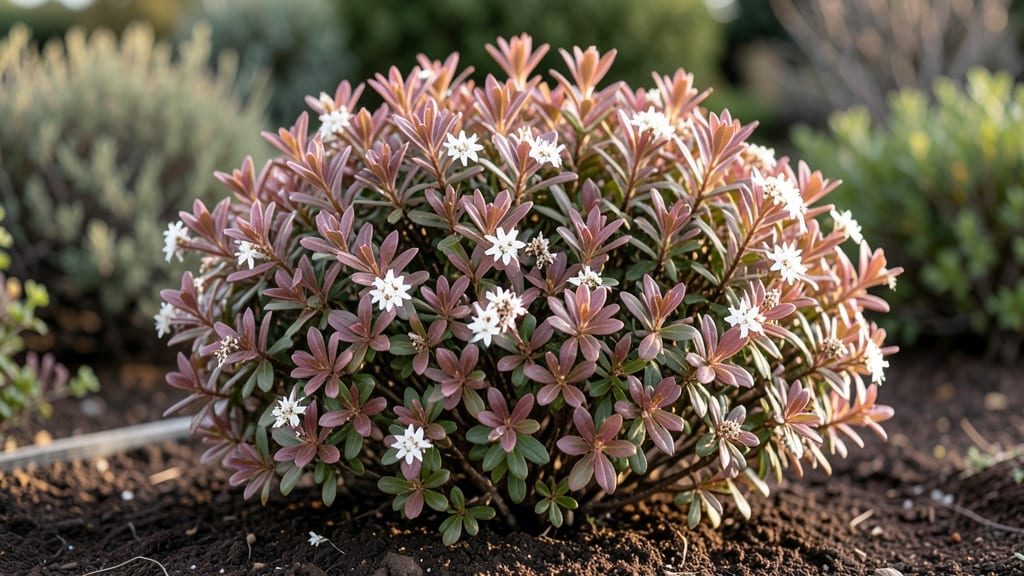
That new Zealand tea tree Ruby Glow’s deep ruby foliage doesn’t happen by accident—it’s all in the pruning. ✨ I learned the hard way that skipping this step leaves your plant looking ragged, not radiant, but once I cracked the timing and technique, my Ruby Glow turned into the showstopper of my garden borders.
The secret isn't aggressive cutting—it's strategic shaping twice a year. After flowering in spring, trim back any leggy growth by one-third to encourage bushier, more vibrant foliage. Then in late summer, give it a light haircut to prep for winter.
This cultivar thrives in well-draining soil and full sun to partial shade, making it perfect for New Zealand's temperate climate or similar zones.
What you'll end up with is a compact, jewel-toned shrub that stays lush year-round. The deep red leaves contrast beautifully with silver foliage or white flowers, and it handles pruning like a champ—no wilting or stress. Even in containers, it stays manageable and productive.
Works equally well as a hedge, border plant, or container specimen. The key is patience—Ruby Glow responds best to gradual shaping over time. Here's exactly how to do it without sacrificing that stunning color.
📚 In This Guide
- What you need
- Instructions
- Tips and common mistakes
- Wrapping up and next steps
What you need
- ○ Pruning shears: Bypass pruners (sharp, clean, and capable of cutting up to ½-inch thick branches). Optional: Loppers for thicker branches (1–2 inches).
- ● Gloves: Heavy-duty gardening gloves (to protect against thorns and sap).
- ● Disinfectant: Rubbing alcohol (70%+) or household bleach (1 part bleach to 9 parts water) to sterilize tools.
- ○ Pruning sealant: Optional but helpful for larger cuts (e.g., tree wound dressing or pruning wax).
- ● Trash bags or bucket: For collecting clippings (1–2 medium-sized bags or a 5-gallon bucket).
- ● Notebook & pen: To jot down notes on pruning cuts or plant health observations.
- ● Hand saw: For stubborn, thicker branches (if your tea tree is mature).
- ● Ladder or step stool: If your tree is taller than 6 feet (ensure it’s stable!).
- ● Plant food: Balanced fertilizer (10-10-10 or similar) to nourish the tree post-pruning.
- ● Mulch: Organic mulch (e.g., wood chips) to retain moisture and protect roots.
Step-by-Step guide to pruning your new Zealand tea tree 'Ruby Glow'
Here’s how I keep my Leptospermum scoparium 'Ruby Glow' lush and vibrant year-round with strategic pruning.
✂️ Step 1: Time Your Pruning for Peak Growth
Prune your 'Ruby Glow' in early spring just as new growth begins—look for fresh, bright red shoots pushing from the stems. This timing ensures you’re cutting back old wood while encouraging the plant’s most vibrant foliage. Avoid pruning in late summer or fall, as new growth won’t harden off before winter’s chill.
I also do a light shaping trim in late winter to remove any dead or crossing branches. This keeps the plant’s form tidy without sacrificing its natural bushiness. The key is to work when the plant is actively growing but before it puts all its energy into flowering.
✂️ Step 2: Use Sharp Tools and the Right Technique
Grab your bypass pruners and sterilize them with rubbing alcohol to prevent spreading disease. Cut just above a leaf node or bud at a 45-degree angle—this encourages water to run off the cut and reduces rot risk. Never tear branches; clean cuts heal faster and look more professional.
For larger branches, use loppers and make your cuts just outside the branch collar (the swollen area where the branch meets the trunk). Avoid leaving stubs—they invite pests and disease. If you’re pruning for shape, step back often to visualize the plant’s balance.
✂️ Step 3: Shape for Airflow and Light Penetration
Open the center of the plant by removing up to one-third of the oldest growth to improve airflow and sunlight access. 'Ruby Glow’ thrives on light, and dense centers can lead to fungal issues. Focus on thinning out crowded branches rather than just trimming the ends—this maintains the plant’s natural shape while keeping it healthy.
Watch for branches growing inward or crossing others. These compete for light and nutrients, weakening the plant. Cut these back to the nearest outward-facing bud. You’ll notice the plant’s foliage brighten within weeks as new growth emerges with better access to sunlight.
✂️ Step 4: Encourage New Growth with Strategic Cuts
To promote bushier growth, cut back some stems to just above a set of leaves or a strong bud. The plant will respond by sending out multiple new shoots from that point, creating a fuller appearance. Avoid shearing—this can lead to a woody, less vibrant plant over time.
If your 'Ruby Glow’ has leggy growth, prune the tips of the longest stems to encourage branching lower down. This keeps the plant compact and ensures those stunning red leaves are visible at all heights. After pruning, water deeply to help the plant recover and support new growth.
🌿 Step 5: Post-Pruning Care for Long-Term Health
Apply a balanced, slow-release fertilizer after pruning to give the plant the nutrients it needs for recovery. I use a 10-10-10 blend in early spring to support new growth without overstimulating the plant. Water consistently but avoid soggy soil—'Ruby Glow’ prefers well-draining conditions.
Monitor the plant for new growth in 3-4 weeks. If you see soft, pale leaves, it may need more sunlight or fertilizer. If the growth is sparse, consider a second light pruning in midsummer to encourage a final flush of vibrant foliage before fall. With consistent care, your 'Ruby Glow’ will stay lush and colorful all season.
Tips & tricks for perfect new Zealand tea tree 'Ruby Glow' pruning
Here's what nobody tells you about keeping your 'Ruby Glow' thriving—these tricks make all the difference between a plant that merely survives and one that truly flourishes.
Seasonal Timing Secret: The early spring timing in Step 1 isn't just about avoiding winter chill—it's about catching the plant's natural growth surge. Look for those bright red shoots as your cue; they indicate the plant is ready to respond to pruning with vigorous new growth. If you're in a warmer climate, you might extend this window slightly into late spring, but never beyond when the plant starts flowering.
Tool Technique That Changed Everything: Sterilizing your tools between cuts (Step 2) isn't just about disease prevention—it's about giving your plant the cleanest possible start. I keep a small bottle of rubbing alcohol in my gardening caddy and wipe tools after every 3-4 cuts. For larger branches, use loppers but make sure they're sharp enough to cut cleanly without crushing the stem. A dull tool will tear the bark, creating wounds that take much longer to heal.
Pruning Strategy for Maximum Impact: When you're opening the center in Step 3, think of it like creating a wind tunnel for your plant. The goal is to remove up to one-third of the oldest growth, but focus on the thickest branches first. These are the ones that block sunlight from reaching the center. You'll know you've done it right when you can see sunlight reaching the inner leaves that were previously hidden in shadow.
Post-Pruning Recovery Hack: After you've finished pruning, don't just walk away! The 3-4 week monitoring period in Step 5 is your chance to catch any issues early. If you notice new growth that's unusually soft or pale, it's a sign the plant needs more light or nutrients. A quick adjustment now can prevent a full-blown problem later. I also recommend giving the plant a light misting in the days after pruning to help it recover from the shock of being trimmed.
Pro Tips for New Zealand Tea Tree Ruby Glow
- Here's what nobody tells you about keeping your 'Ruby Glow' thriving—these tricks make all the difference between a p...
- Seasonal Timing Secret: The early spring timing in Step 1 isn't just about avoiding winter chill—it's about catching ...
- Tool Technique That Changed Everything: Sterilizing your tools between cuts (Step 2) isn't just about disease prevent...
Frequently asked questions
When is the best time to prune my Ruby Glow Tea Tree?
The ideal time to prune is late winter or early spring (August–September in NZ), just before new growth begins. This timing encourages vibrant blooms and dense foliage. Avoid heavy pruning in fall, as it can stress the plant before winter. Light trimming to shape can happen anytime, but never prune when flowers are in bloom—you’ll sacrifice next season’s beauty!
How much can I trim without harming the plant?
For Ruby Glow, aim to remove no more than 1/3 of the plant’s height or volume in a single session. Over-pruning can shock the tree, leading to sparse growth or leggy branches. Focus on dead, crossing, or overcrowded branches first, then shape for airflow. Pro tip: Step back often—your pruners should never exceed the size of your hand!
What if my Tea Tree isn’t blooming after pruning?
If your Ruby Glow skips blooms, check these fixes:
- Light exposure: Ensure it gets 6+ hours of sun daily—partial shade can reduce flowering.
- Pruning timing: Heavy cuts in summer/fall may delay blooms. Stick to late winter/early spring.
- Fertilizer: Use a balanced, slow-release fertilizer (like 10-10-10) in spring to support growth and flowers.
- Age: Young trees (under 3 years) may take time to establish blooming cycles.
Can I propagate cuttings from my pruned branches?
New Zealand Tea Trees root easily from softwood cuttings. After pruning, take 4–6 inch tips (just below a leaf node), strip lower leaves, and dip in rooting hormone. Plant in a mix of perlite and peat moss, keep moist, and place in bright, indirect light. Roots should form in 4–8 weeks. Perfect for sharing (or expanding your garden!)
Why are my leaves turning yellow or brown after pruning?
Yellowing or browning leaves usually signal stress or disease. Check for:
- Overwatering: Tea Trees hate soggy roots. Ensure well-draining soil and water only when the top 2 inches are dry.
- Underwatering: Drooping + crispy edges? Increase water slightly (but avoid soggy soil!).
- Fungal issues: Brown spots or powdery mildew? Prune affected areas immediately, and treat with neem oil or copper fungicide.
- Nutrient deficiency: Pale yellow leaves? Add a low-nitrogen fertilizer (like 5-10-10) in spring.
Wrapping up and next steps
Mastering the art of pruning your New Zealand Tea Tree Ruby Glow isn’t just about keeping it tidy—it’s about unlocking its full potential for year-round vibrancy. 🌿 With the right tools, timing, and techniques, you’ll reward yourself (and your garden!) with lush, healthy foliage that shines in every season.
Whether you’re a pruning pro or a curious beginner, every snip brings you closer to a thriving, stunning shrub.
Ready to transform your garden? Grab your shears, roll up your sleeves, and give your Ruby Glow the care it deserves—your future self (and your neighbors!) will thank you. 🌟 Next step: Mark your calendar for your first pruning session and watch the magic unfold!