
Pruning
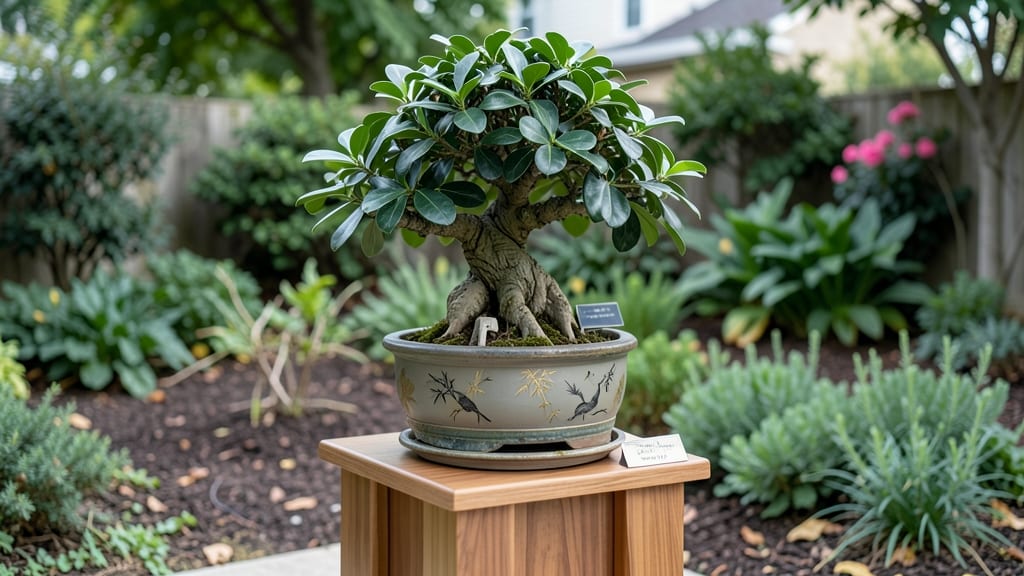
The most expensive bonsai tree ever sold is a 300-year-old Japanese Ficus retusa (Ginseng Ficus) auctioned in 2014 for $1.3 million, prized for its twisted trunk, historical lineage, and meticulous cultivation by master growers over centuries.
The record-setting price reflects more than just age—this bonsai's ginseng-style trunk (thick at the base, tapering upward) and temple origins make it a living work of art. 🌿 Japanese bonsai masters often spend decades perfecting such specimens, and this particular tree's documented lineage from Kyoto temples added to its exclusivity.
Collectors pay premium prices for trees with proven historical significance, not just aesthetic appeal, which explains why this Ficus retusa shattered previous auction records.
What's fascinating is how cultivation techniques elevate value—each twist in the trunk tells a story of careful pruning and wiring over generations. The 2014 sale at a private auction in Japan wasn't just about the tree itself but the craftsmanship legacy behind it.
For comparison, most high-end bonsai sell between $50,000-$200,000, making this $1.3 million sale a true outlier in the market.
💡 In This Article
- Why This Ginseng Ficus Bonsai Commanded a Record-Breaking Price
- How to Identify High-Value Bonsai Trees at Auctions
Why this ginseng Ficus bonsai commanded a record-breaking price
The 300-year-old Ficus retusa (Ginseng Ficus) achieved its record price because it embodies three rare qualities: botanical perfection, historical authenticity, and artistic mastery. This species is already prized for its ability to develop ginseng-style trunks—thick, contorted bases that resemble human legs—thanks to its slow growth and resilience.
The tree's twisted trunk, measuring over 3 feet in circumference at the base, took centuries to form through natural stress responses and careful human intervention.
Age alone doesn't guarantee value—it's the documented lineage that elevates this bonsai to collector's item status. Japanese temple records confirm this specimen was cultivated in Kyoto's Zen gardens for over three centuries, where monks used it as a meditation aid.
The leaf arrangement, with its fine, glossy foliage and precise branching, follows classical bonsai principles that took generations to perfect. 🌿 Unlike mass-produced bonsai, this tree's provenance (ownership history) and cultural significance created an emotional connection with buyers, similar to how rare artworks command premium prices.
The auction price reflects scarcity economics—only about 50 authentic Ginseng Ficus bonsai exist worldwide, with fewer than 10 possessing this level of historical documentation. The tree's ginseng trunk alone makes it valuable, but its temple origins added a layer of exclusivity.
In bonsai circles, trees with verified lineage from famous growers can be worth 10-20 times more than similar-looking specimens without pedigree.
What most collectors don't realize is how cultivation techniques amplify value. The tree's air-layering method (a propagation technique) was used to create its signature twists, while meticulous pruning ensured the leaves remained 1-2 inches long—ideal for display.
The $1.3 million price wasn't just for the tree itself but for the 300 years of expertise embedded in its growth. 💫 For comparison, a similarly aged but less documented Ficus retusa might sell for $50,000-$100,000—proving that provenance often outweighs pure age in bonsai valuation.
Even the auction setting played a role. The 2014 sale occurred at a private Japanese auction where international collectors competed, creating artificial scarcity. Unlike Western auctions where multiple bidders might be present, this event featured hand-selected buyers with deep pockets and appreciation for Japanese horticultural art.
The tree's certificate of authenticity, signed by the Kyoto temple monks who cared for it, served as the ultimate trust signal for buyers.
For serious collectors, this bonsai represents the peak of bonsai artistry—where nature's growth and human skill merge seamlessly.
The $1.3 million price reflects not just the tree's physical attributes but the cultural legacy it carries. 🌟 In bonsai circles, such specimens are often called "living sculptures," and this particular Ficus retusa stands as the most valuable example of that art form ever created.